
A night for W.H. Hudson and Green Mansions: his love for animals was deep and his opinions were fierce

Share

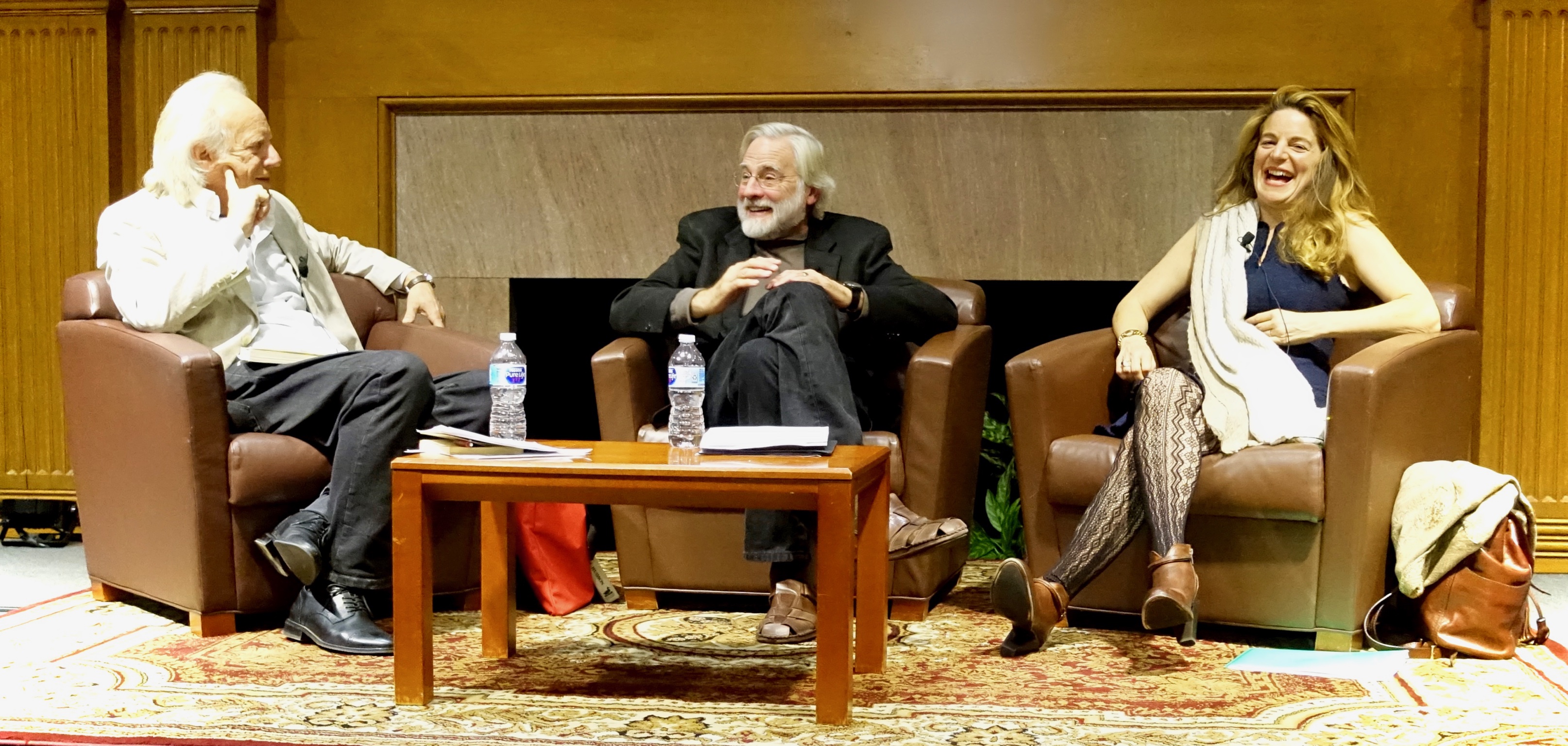
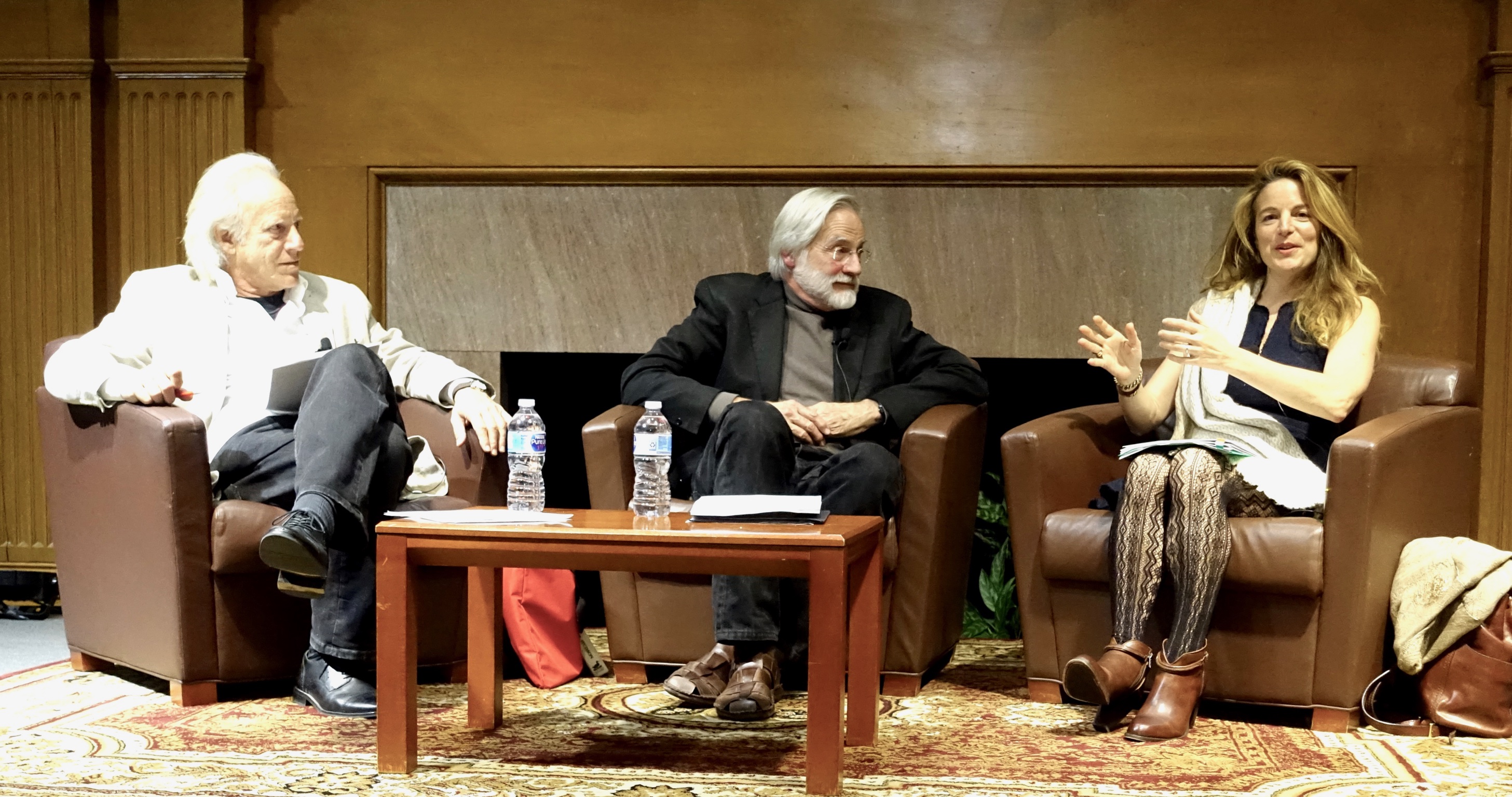
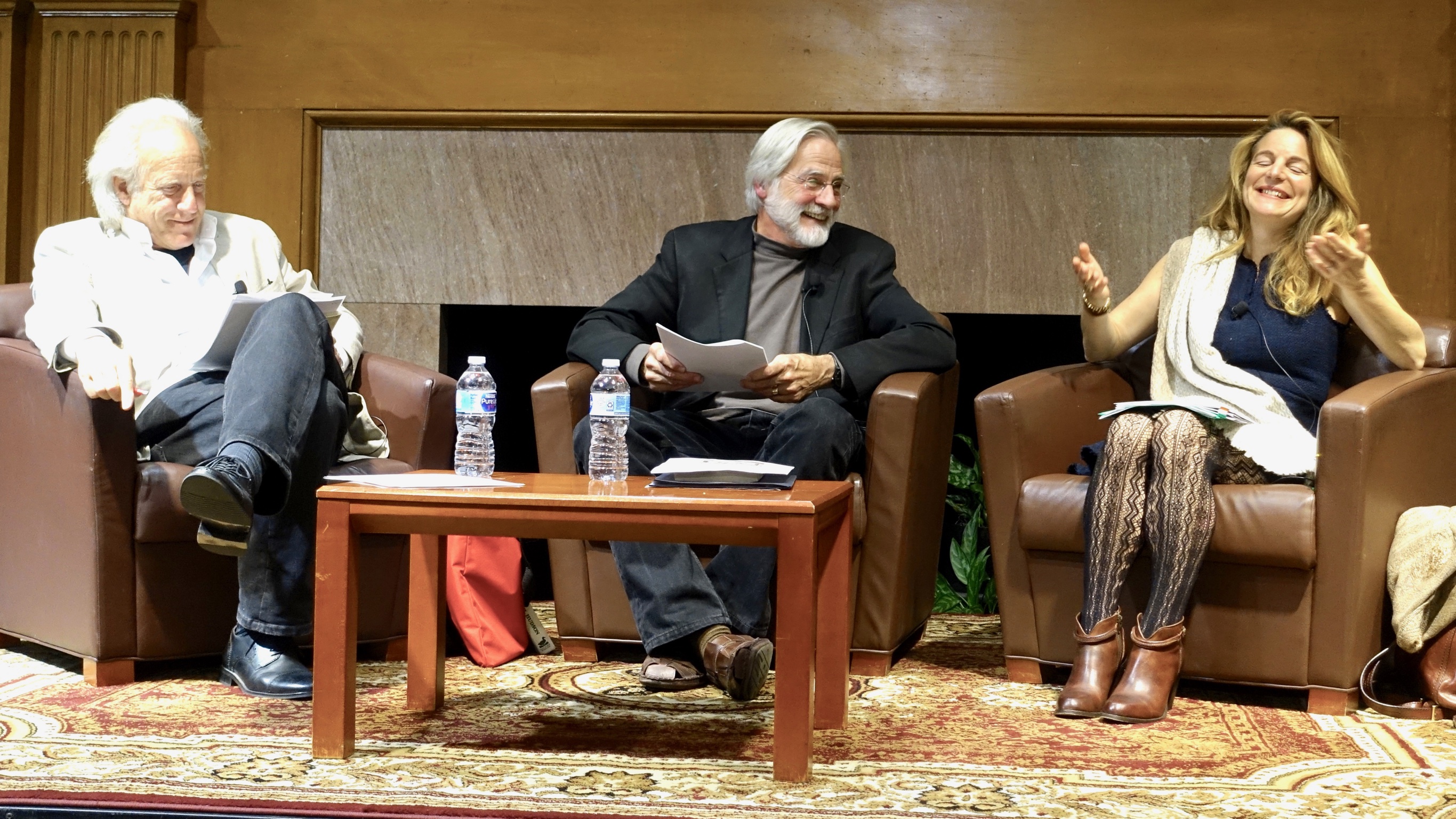
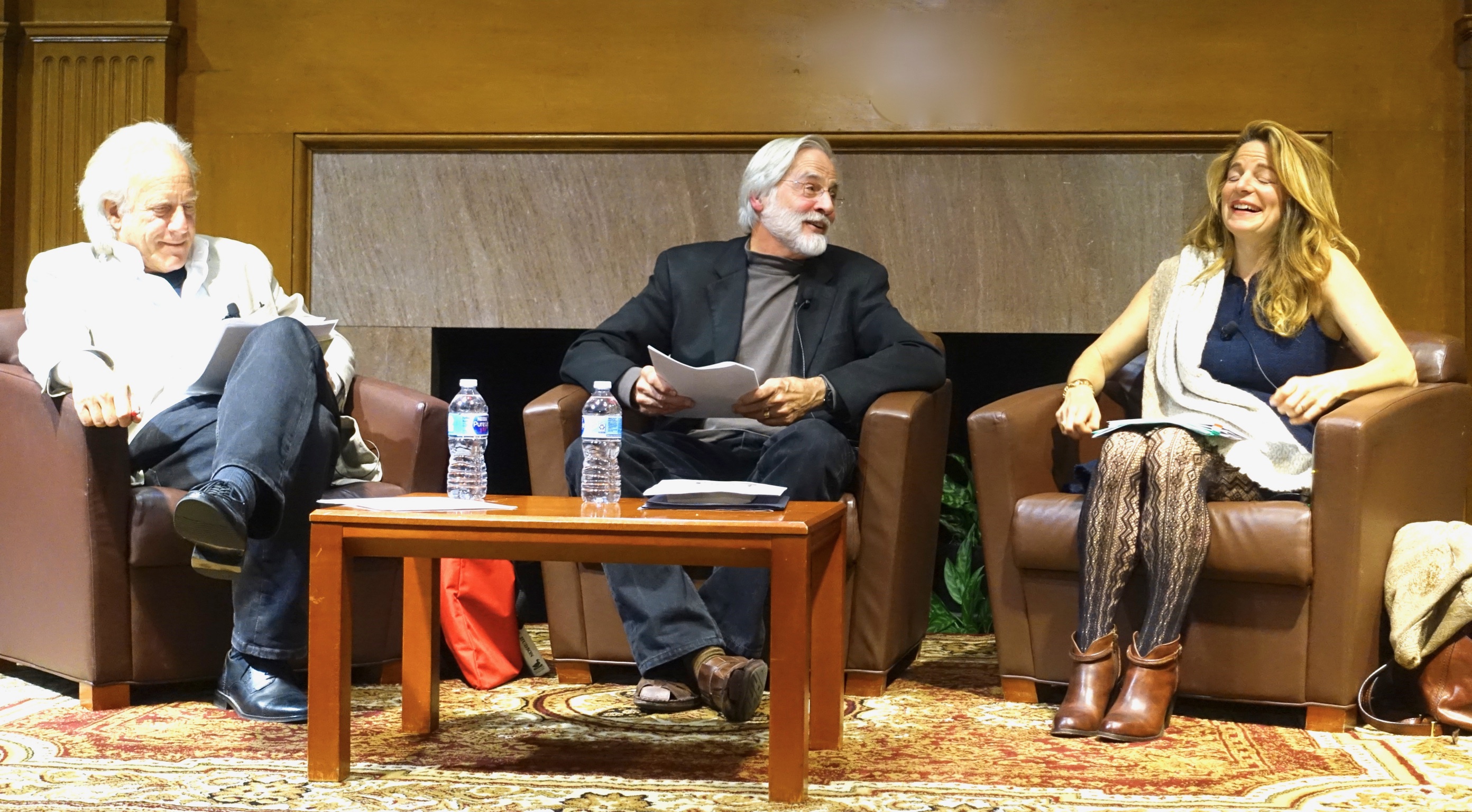
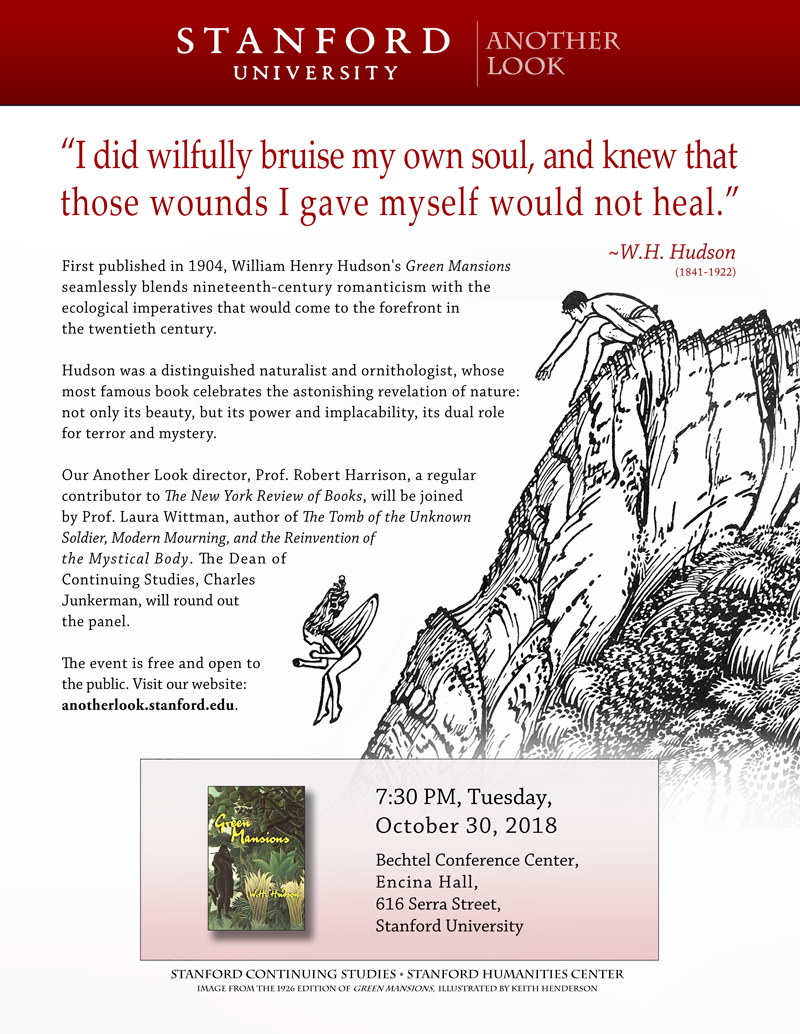
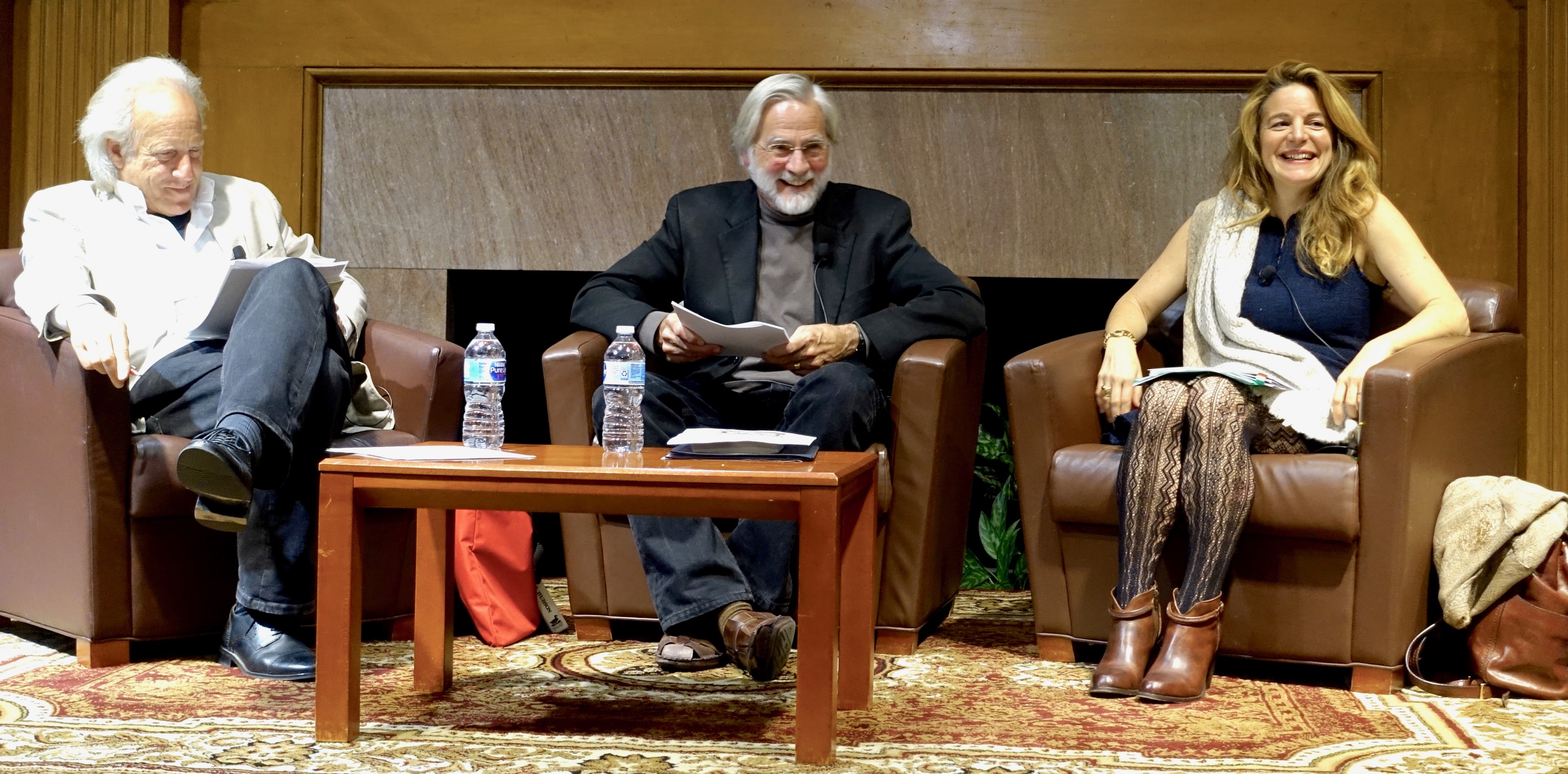
About 150 devoted book fans braved the campus-wide construction at Stanford to attend our Another Look fall event on William Henry Hudson’s Green Mansions on Tuesday, October 30, at 7:30 p.m. in the Bechtel Conference Center of Encina Hall. The event launched Another Look’s seventh season.

First published in 1904, Green Mansions seamlessly blends nineteenth-century romanticism with the ecological imperatives that would come to the forefront in the twentieth century. Discussants included Prof. Robert Pogue Harrison, director of Another Look, Prof. Laura Wittman, and the Dean of Continuing Studies, Charles Junkerman.

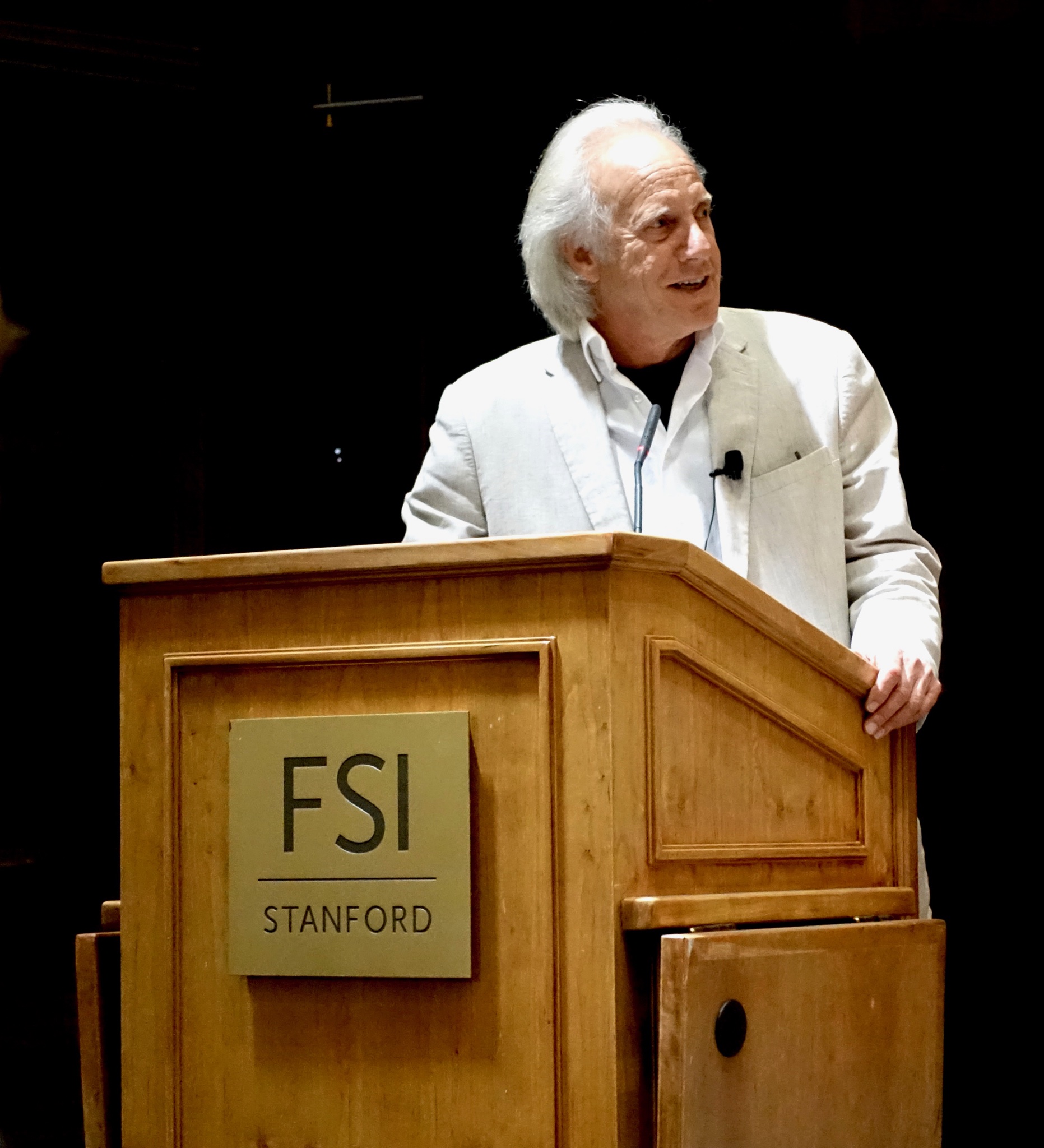
Harrison at the podium.

The book had more fame back then than it does now – despite a 1959 film with Audrey Hepburn and Anthony Perkins. Said novelist Ford Madox Ford of the novel: “There was no one – no writer – who did not acknowledge without question that Hudson was the greatest living writer of English … I have never heard a writer speak of him with anything but reverence that was given to no other human being. For as a writer he was a magician.” According to Joseph Conrad, “Hudson’s writing is like grass that the good God made to grow, and when it is there you cannot tell how it came.”

The plot: Abel Guevez de Argensola, flees to the Venezuelan interior after launching a failed coup in Caracas with his friends. In the remote jungles and savannas, he lives among the native people, learning their language and their ways. While exploring the terrain, he hears strange bird-like singing and discovers a young woman with a mysterious story. His love for her desolates and transfigures his life.

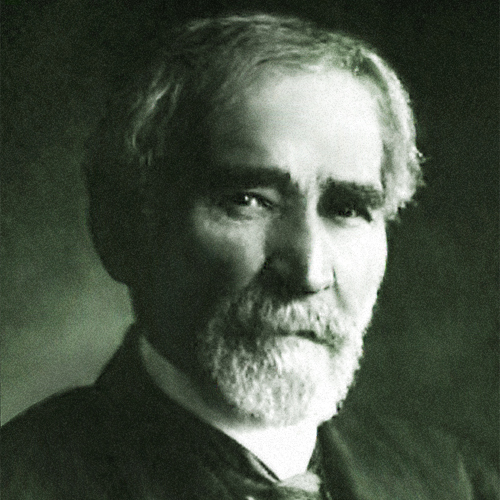
Hudson was better known as a naturalist and ornithologist, and his opinions were fierce, particularly about cruelty to animals. On his grave is written: “He loved birds and green places, and the wind on the hearth, and saw the brightness of the skirts of God.”

But his opinion of his fellow man could be harsh. In 1915, he wrote to a friend, “You think it is a ‘cursed’ war. I think it is a blessed war. And it is quite time we had our purification from the degeneration, the rottenness that comes with everlasting peace. The blood that is being spilled will purge us of many hateful qualities – of our caste feeling, or our detestable partisanship, our gross selfishness and a hundred more. Let us thank the gods for a Wilhelm and a whole nation insane with hatred of England to restore us to health.”

Photos of the event, as always, by Another Look aficionado David Schwartz. And the podcast for the event is here.

Dante’s greatest challenge: “This is something one cannot speak about. And he is going to speak about it.”

Share

.

.“This is something that one cannot speak about. And Dante is going to speak about it.” 

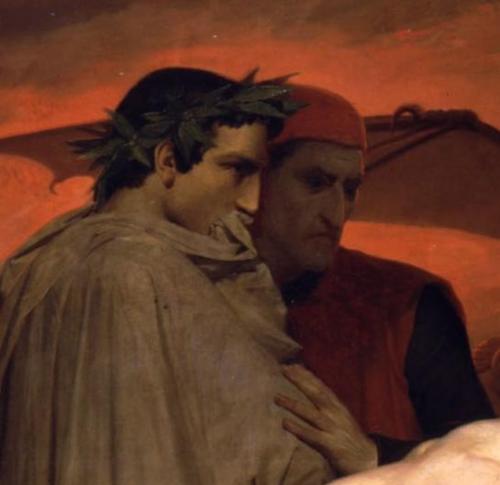
“All the people who end up loving The Paradiso understand the great daring poetic achievement of the poem,” says Dante scholar Rachel Jacoff of Wellesley. Entitled Opinions host Robert Harrison, a Dante scholar himself, joins his colleague and former mentor for a final discussion of The Divine Comedy — more specifically, of The Purgatorio and The Paradiso. It’s up at the Los Angeles Review of Books here.

Harrison notes that “Dante’s Paradiso is the last full-bodied vision of paradise in Western literature. It’s all been Hell or Paradise Lost since then.” They explore the role of the Roman poet Statius in Purgatory, the disappearance of Virgil, the “tough love” of Beatrice, the nature of time in heaven, and Dante’s elusive attempt to express the inexpressible.

He’s gone at the end.

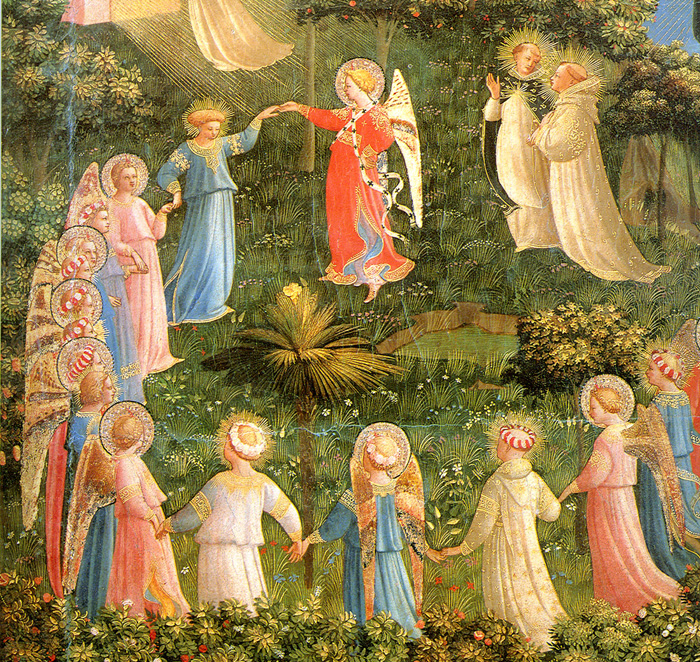
Jacoff compared Dante’s dilemma to Fra Angelico’s painting of “The Blessed Entering Paradise.” The souls dancing in a circle seem to represent paradise, but at the upper left is a white gate with light shining through it. “That’s the real thing out there, and he can’t paint it.”

When Harrison asked the Jewish Dante scholar whether the Christian theology of Dante’s masterwork created a barrier for her love of the poem, Jacoff replied:

Many great readers of Dante are not Christians. I think everyone has to answer this question for himself or herself. I find that it is one of the great works of art that I return to and it’s helped me understand all kinds of things. Clearly, much in it is alien to me, and always will be — but no more than Handel’s “Messiah” or Bach’s “Mass in B Minor.” These are foundational in my aesthetic experience — and it can’t only be just aesthetic. There has to be some way the spirituality of these works can be available to anyone.

This is the final interview of the three-part series with Rachel Jacoff on Dante. Parts 1 and 2 are here and here.¨

“Virgil is the tragedy within the comedy. Virgil’s fate is the thing that haunts the comedy.” 

“People who end up loving The Paradiso understand the great daring achievement of the poem… It’s the greatest challenge that the poet takes on.” 

.

More potent quotes:

“It’s always magical to me: we have known since the beginning of the Inferno that Virgil is not going the whole journey. … yet at the moment Virgil actually disappears, it’s always a shock. It takes one’s breath away.

“Paradox is so built into everything in the Paradiso, because it’s so central to Christian theology.”

“I think the difficulty people have with the Paradiso isn’t the theology – there is much more made of it than is really there. The theology is not overwhelming – however, the continual carrying on about how terrible things are on earth might be the thing that overwhelms people. Sometimes it overwhelms me.”

“I think the Paradiso is informed by a profound historical pessimism. Dante was living in a great crisis of authority.”

“The only time I ever quote Heidegger is with that great line, ‘Only a god can save us.’ I think that’s where Dante is at the end, in terms of history. There’s nothing that he imagines that we can do. If it’s going to happen, it’s going to happen by divine intervention.”

W.H. Hudson’s Green Mansions on October 30. Be there!

Share

Most valuable writer? Galsworthy thought so.

Join us for the Tuesday, October 30, Another Look book club discussion of W.H. Hudson‘s Green Mansions. The event will take place at 7:30 p.m. in the Bechtel Conference Center of Encina Hall.

First published in 1904, Green Mansions seamlessly blends nineteenth-century romanticism with the ecological imperatives that would come to the forefront in the twentieth century. Discussants will include Prof. Robert Pogue Harrison, director of Another Look, Prof. Laura Wittman, and the Dean of Continuing Studies, Charles Junkerman.
The plot: Abel Guevez de Argensola, flees to the Venezuelan interior after launching a failed coup in Caracas with his friends. In the remote jungles and savannas, he lives among the native people, learning their language and their ways. While exploring the terrain, he hears strange bird-like singing and discovers a young woman with a mysterious story. His love for her desolates and transfigures his life.

According to novelist and playwright John Galsworthy, writing a decade after the publication of Green Mansions, “All Hudson’s books breathe this spirit of revolt against our new enslavement by towns and machinery, and are true oases in an age so dreadfully resigned to the ‘pale mechanician.” … A very great writer; and – to my thinking – the most valuable our age possesses.”

Hippies, cyberculture, fascism – and the point where it all comes together

Share
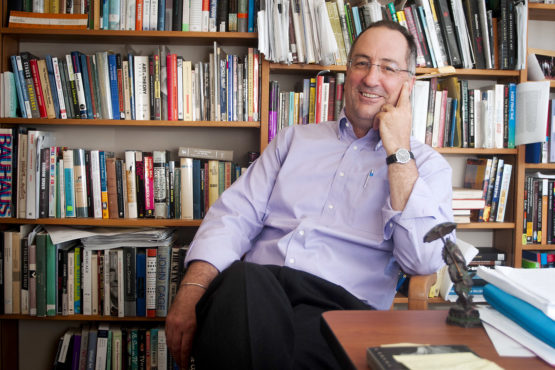
He started in journalism. (Photo: Kathleen Hinkel)

A journey that began in Vietnam. (Photo: Kathleen Hinkel)

“I THOUGHT THE COLD WAR WAS A BLACK-AND-WHITE WORLD AND TAKEN EVERYTHING TURNED INTO TECHNICOLOR HIPPIES. THAT TURNED OUT NOT TO BE TRUE.” -FRED TURNER

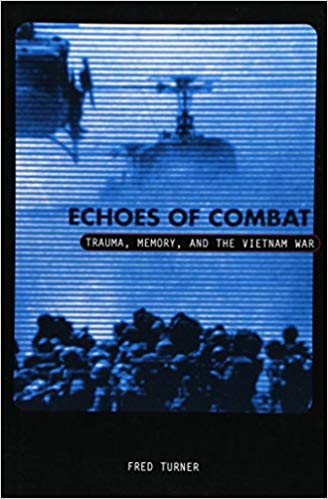
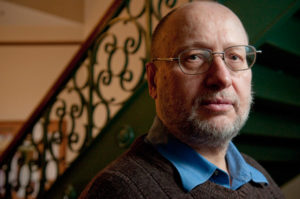
Fred Turner had just finished a Echoes of Combat: The Vietnam War in American Memory when he moved to San Diego in 1996. He had seen technology used as a tool of war, and he thought that “hippies were against technology — computers especially.” Then he saw a copy of Wired.

“It was all psychedelic colors, a big picture of ‘Whole Earth’ on the front and daisies. All this iconography I recognized from the counterculture in the 1960s.” In fact, he learned that countercultural dreams of shared consciousness had found a natural home in the computer world, where cyberspace was seen as a new electronic frontier. Former “communalists” had found new hope in “virtual communities.” He discusses his revelation in an Entitled Opinions conversation with Robert Pogue Harrison in a podcast over at the Los Angeles Review of Books here.

“I thought the Cold War was a black-and-white world and then everything turned into technicolor hippies. That turned out not to be true,” said Turner, a former journalist and now an intellectual historian at an important moment in our history.

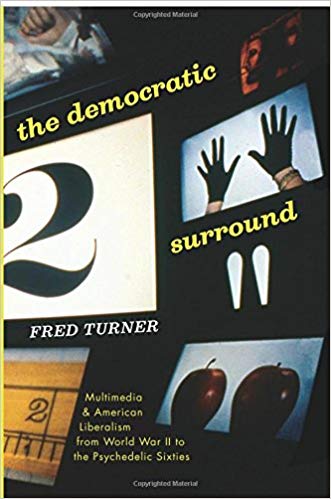
“I started reading my way into the 1940s and 1950s. I began to see a much more radical period than I ever knew about. I began to see a very direct protest against mass media and mass culture.” The result was The Democratic Surround: Multimedia and American Liberalism from World War II to the Psychedelic Sixties.
With the rise of fascism in the 1930s, people worried about how mass thinking and mass media worked together, focusing our attention on a single media point and a single magnetic leader – thus feeding our longings for control, leadership, and submission. The antidote? “The notion that has run through 30, 40, 50 years of media theory, is that you have to decentralize ownership, decentralize media technologies, give everybody a microphone, and suddenly we will all be in a free space. That turns out not to be the case.”

Our multi-sourced multimedia “surround” has been mass marketed for us in a dispersed and globalized media environment, infiltrating even our attempts to create such “free” spaces. “I’ve done a lot of work at Burning Man, and that’s a very Dionysian place, in which the ecstatic impulse to dance naked in the desert and build giant bonfires meshes very nicely with high ticket prices, the transportation system, and the politics of personal display that also animate Facebook.”

Our politics, too, have been turned upside down by media dispersal – especially by Donald Trump. “He becomes the embodied voice of grievance, and that’s what Adolf Hitler was. He speaks that grievance into Twitter, which is a hyper-personalized medium. It then gets amplified by a whole series of other media, which interact in the ecosystem that is decentralized and yet, ironically, because it is decentralized, tends to be an ever larger megaphone for the very charismatic forces that decentralization was meant to combat.”

Listen to the whole podcast here.

“OUR DEMOCRATIC SURROUND IS SO SATURATED WITH IMAGES AND VOICES – EVEN MORE WITH TWITTER. AND ALL THE CHATTER IS ONE OF THE UNINTENDED WARS ON THINKING.” -ROBERT HARRISON

Potent quotes:

Fred Turner:

“Apple has always been the single most secretive non-military company … You don’t crack Apple.”

On California: “It’s been the object of migration forever and ever… there’s a high density of scientists, a low density of non-adventurous folks, and everybody is packed up together.”

“Consumer choice is beginning to become the expression of politics.”

“Ideas flow through communities … Lives of earlier groups shape the possibilities of our own.”

Robert Harrison:

“Ideas are the incubators of history – not always, but often.”

“The deliberate invasion of solitude – everyday solitude, being left alone – and having something reverberating inside your head so that you can’t do the prosaic business of putting thoughts together – this is what totalitarian propaganda amounts to.”

“Our democratic surround is so saturated with images and voices – even more with Twitter. And all the chatter is one of the unintended wars on thinking.”

“Even My Revolts Were Brilliant with Sunshine”: The Solar Humanism of Albert Camus

Share

“THE SUN THAT REIGNED OVER MY CHILDHOOD FREED ME FROM ALL RESENTMENT.”

“If that is justice, then I prefer my mother.”

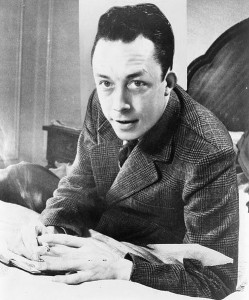
Those words marked a turning point for French-Algerian author Albert Camus. The context was the Algerian war for independence, which Camus ultimately opposed. He made the statement after revolutionaries began planting bombs on tramways in Algiers, where his mother still lived.

Camus was all for “l’instant.”

Jean-Marie Apostolidès, playwright, psychologist, and French professor at Stanford, and Entitled Opinions host Robert Harrison trace Camus’s long intellectual and spiritual journey, from his impoverished Algerian childhood to the car crash that killed him at the age of 46. It’s the latest podcast up at the Los Angeles Review of Books here.

In particular, they discuss his complex relationship with fellow traveller Jean-Paul Sartre, who was the greater philosopher and the more rigorous thinker of the two, while Camus was the greater writer and perhaps the greater soul. Their conflict fascinates intellectuals in France and around the world to this day.

“Camus’s strong bond with his mother is beyond and sometimes against words,” says Apostolidès. Yet Camus’s own mother never read a word of his many books. She was illiterate, half-deaf, and a speech impediment made it difficult for her to hold a conversation.

Apostolidès notes it would be a mistake to think of Camus’s adult life as serene and happy: he had several alcoholic crises, and his family life was undermined by his promiscuity. Yet his psyche was shaped by his sun-drenched childhood in Algeria, so strongly at odds with the bourgeois French upbringing of Sartre, who attended Paris’s premier École Normale. The Nobel Prizewinning Camus held to “the wisdom of a different tradition,” says Harrison, describing the sensibility of the Mediterranean basin and African that was a world away from the Nietzschean northern temperament of Europe. As a result, Sartre was interested in the arc of history; Camus was interested in l’instant of plays, journalism, theater.

Jean-Marie: “Nature has no lessons.”

“This was the main idealogical divide between the solar humanism of Albert Camus and the militant Marxism of Jean-Paul Sartre,” says Harrison. “For Sartre, history was everything, and those who allied with it had to change the world, at all costs. For Sartre, there’s nothing redemptive in the sun and sea.” Sartre kept his “eyes fixed on the Medusa head of reality.

“That is finally the decisive difference between Sartre and Camus, and the reason why the dustbin of history awaits the one, and not the other.”

“I WAS POISED MIDWAY BETWEEN POVERTY AND SUNSHINE. POVERTY PREVENTED ME FROM THINKING THAT ALL WAS WELL IN THE WORLD AND IN HISTORY; THE SUN TAUGHT ME THAT HISTORY IS NOT EVERYTHING.”

POTENT QUOTES:

Jean-Marie Apostolidès:
“At the end of the line of history, there is death.”
“Nature has no direct lesson to teach us. Therefore our values are relative. Nevertheless, we have to create them.”
“Camus did not want a revolution, but at the same time he did not want to accept the passivity of the bourgeois attitude towards life. So he coined this median way between revolution and acceptance. He called it rebellion.”
On Meursault in The Stranger: “He refuses all the different figures of the father – the priest and the judge. By choosing death and blood, he tries to tries to find something equivalent to the sun.”

Robert Harrison:
“Absurdity is a weapon that you have in your heart, in your mind. Keep it present to remember always the constant of the human condition.”
“It’s very easy to be on the side of justice when nothing is at stake.”
If ever history, with its rage, death, and endless suffering, were to become everything, human beings would succumb to madness. History is reality.”
“For Sartre, there is nothing redemptive in the sun and sea. We must keep our eyes fixed on the Medusa head of reality.”
“The difference between a northern and southern sensibility is the difference between acceptance of life and an assault on life.”

Albert Camus:
“Even my revolts were brilliant with sunshine.”
“I was poised midway between poverty and sunshine. Poverty prevented me from judging that all was well in the world and in history, the sun taught me that history is not everything.”
“Poverty, first of all, was never a misfortune for me; it was radiant with sunlight. I owe it to my family, first of all, who lacked everything and who envied practically nothing.”
“The sun that reigned over my childhood freed me from all resentment.”

“A Metaphysics of Negativity”: Brothers Robert and Thomas Harrison discuss Expressionism and the Year 1910

Share

“THE BEAST WE HAVE WITHIN US WILL STICK ITS HEAD UP THE MINUTE HE CAN GET AWAY WITH IT.”

Thomas Harrison

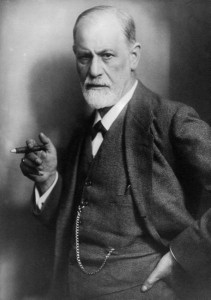
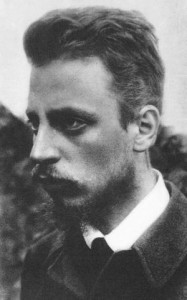
When Halley’s Comet passed over the world in 1910, newspapers prophesied doom. The era was already overshadowed by social, spiritual, and political unease. That year, Sigmund Freud published Five Lectures on Psycho-Analysis and formulated his first sketch of the Oedipal complex. Rainer Maria Rilke published his only novel, Notebooks of Malte Laurids Brigge. Writer and philosopher Carlo Michelstaedter completed his thesis and shot himself, one of the era’s many suicides. Meanwhile, Arnold Schoenberg was emancipating dissonance with his Theory of Harmony, which was written in the summer of 1910. The following year, Oswald Spengler would begin his landmark Decline of the West.

“The nihilism of the First World War was presaged, summarized, and mourned in the music, poetry, and thought which a great many artists and thinkers produced in the year 1910,” said Entitled Opinions host Robert Harrison. “It seemed to play out all the worst nightmares that had obsessed the Expressionists.”

Just warming up with Oedipus

This episode of Entitled Opinions at the Los Angeles Review of Books is a family affair. Said Robert Harrison, “Brothers punctuate cultural history. We have the Brothers Grimm, the Marx Brothers, the Schlegel brothers, the Goncourt brothers. It so happens I have a brother, too, who like me, is a professor of literature who has written a few books.”

In the introduction to his 1910: The Emancipation of Dissonance (University of California Press, 1996), UCLA professor Thomas Harrison wrote, “Nineteen ten is the spiritual prefiguration of an unspeakably tragic fatality, heard in the tones of the audacious and the anguished, the deviant and the desperate, in the art of a youth grown precociously old, awaiting a war it had long suffered in spirit.”

First and only novel

In this fraternal conversation, Thomas and Robert Harrison discuss leading figures in the umbrella movement called “Expressionism,” including poet Georg Trakl, painter Wassily Kandinsky, Ludwig Wittgenstein, Filippo Marinetti, as well as Rilke, Spendler, Schoenberg, and others.

What do the Expressionists say to us today? “Of course, the darkness of their vision didn’t turn a lot of people on,” explains Thomas Harrison. “During the reconstruction of Europe after World War I, we had to forcibly leave that stuff behind. But don’t forget that every time you leave something behind it comes back. So it came back in World War II. Human nature does not change, although we think we’re getting better and more rational. The depths of the soul that they probed are the same depths that people try to keep hidden and secret, over and over and over. While it may not be not much fun to listen to Schoenberg’s atonal music, it’s a reminder that the beast we have within us will stick its head up the minute he can get away with it.”

Listen to the podcast of this fascinating Harrison-on-Harrison discussion here.

“HUMAN NATURE DOES NOT CHANGE, ALTHOUGH WE THINK WE’RE GETTING BETTER AND MORE RATIONAL.”

More potent quotes from Thomas Harrison:

“These artists were perhaps the most ethically and philosophically committed generation of artists since the Romantics.”

“They developed a metaphysics of negativity. Being itself was considered a rotten set-up.”

“We no longer share this negative metaphysics today. We do everything we do to ignore it and forget about it and put it under the rug – to repress it again.”