
“I Am Not a Man, I Am Dynamite” : Peter Sloterdijk on Nietzsche

Share

He saw a deep connection between moral philosophy and public relations.

.

“IT’S VERY HARD TO CONCEIVE OF A SANE GOD.”

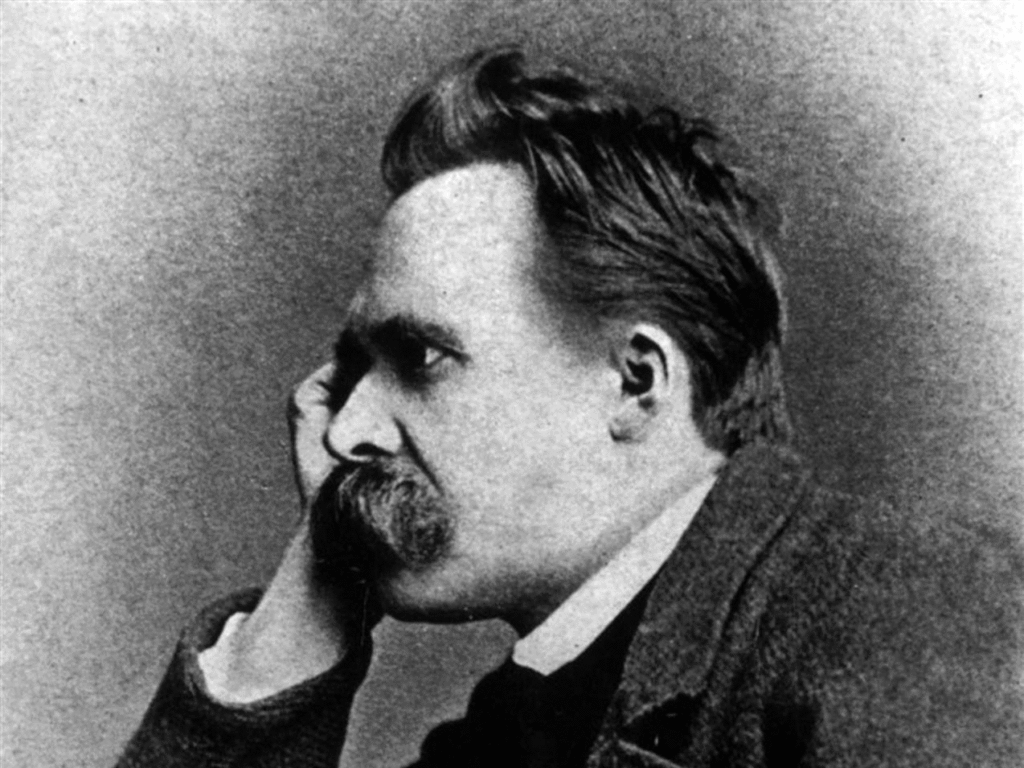
Peter Sloterdijk is one of the most controversial thinkers in the world. In many ways, he is the heir of Friedrich Nietzsche, who is sometimes said to have inaugurated the 20th century. On Entitled Opinions, host Robert Harrison opens his discussion with Sloterdijk with the sound of an explosion, and Nietzsche’s words, “I am not a man, I am dynamite.” The podcast is up today at the Los Angeles Review of Books here.

Sloterdijk says the words had helvetic echoes, since Switzerland was the first to blast a passageway through the Alps to tunnel new passages to Greece: “That is the metaphysical question for all these northern peoples. How can we win back an easier access to the Mediterranean truth, the really big dream-essence?”
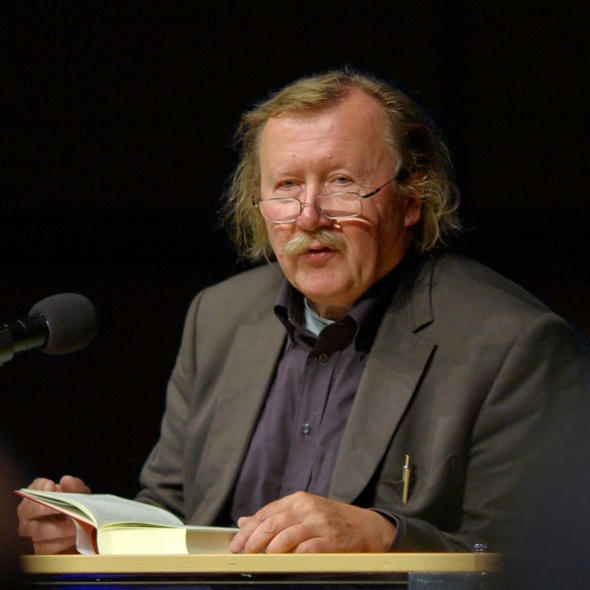
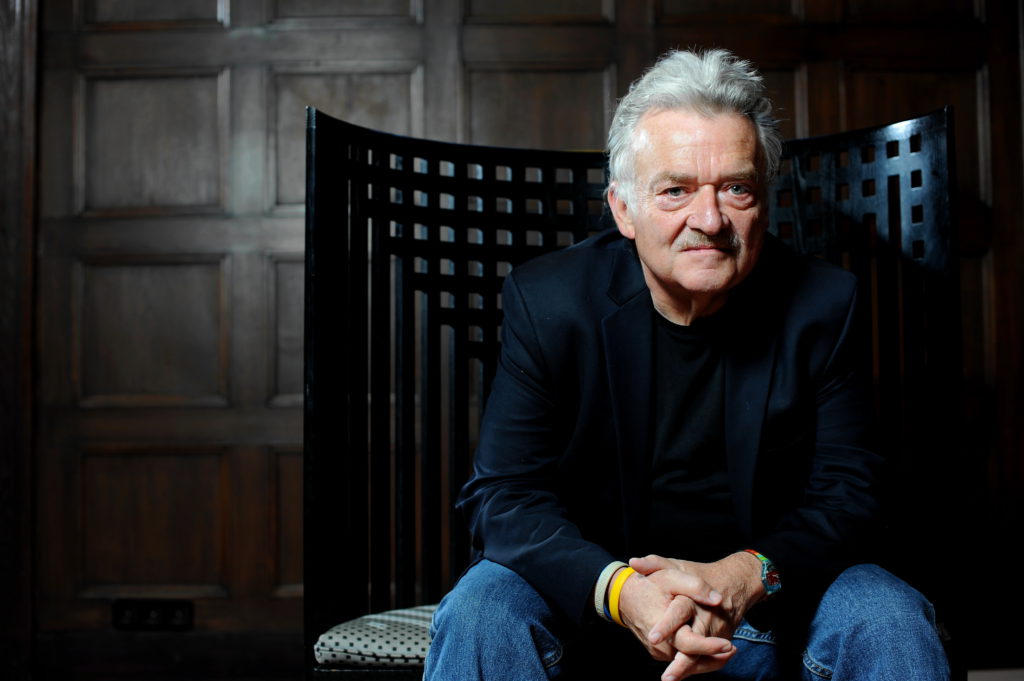
The enfant terrible of philosophy (Photo: Rainer Lück)

Yet Nietzsche had his own access to the Greeks — and had the dynamite within him. In particular, he was the first to ask what meaning Dionysius might have for us. Nietzsche’s whole life work was an effort to uncover the meaning of the non-Olympic god who is “something to come, and something already present.” Nietzsche sought to discover how “the dismembering of Dionysus and his suffering recreates the world and makes a new form of social synthesis possible,” according to Sloterdijk (who was bravely battling a cold during the conversation).

“Nietzsche was right, to certain extent, when says ‘my soul should have been a singer rather than a writer.’ What he did in his later days was exactly that. That’s why Nietzsche later became, especially in Zarathustra, ‘the singer of a metaphysics of high noon.’” Sloterdijk calls that passage a European answer to the enlightenment of Buddha under the bodhi tree: “He describes the messenger as a person sleeping in the grass under tree and tied to life only with a very thin thread. You must not move. Dionysus is there. Don’t even breathe. The world has become perfect. He’s looking for the moments when he was even able to bear the burden of his divine predicament.”

“Nietzsche was among the very rare thinkers who had a feeling that there is a deep connection moral philosophy and public relations. This can be shown in the subtitle of Zarathustra — a book for all and nobody. Ein buch für alle und keinen.” It’s a mark of Nietzsche’s genius. He was acting as a kind of “action teacher,” and discovered a higher morality in writing a book for everyone and no one, a path between animal and the superman. Nietzsche likens it to a rope-walker.
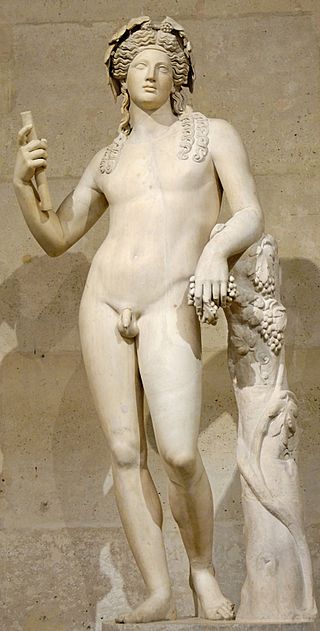
More than a party guy.

“He sees the ropewalker, he has fallen down. He says, out of danger you made your profession. There is nothing despisable in that. And for that reason I am going to bury you with my own hands. It’s not success that decides everything, it is the will to remain within the movement and to walk on the rope.”

***

Philosopher and cultural theorist Peter Sloterdijk has been called a “celebrity philosopher,” and is one of Germany’s foremost thinkers. From 2001 to 2015, he was the rector of the State Academy of Design at Karlsruhe, where he has been a professor of philosophy and media theory since 1992. From 1989 to 2008 he was director of the Institute for Cultural Philosophy at the Academy of Fine Arts Vienna. He co-hosted the German television show Im Glashaus: Das Philosophische Quartettfrom 2002 to 2012.

His books include: Critique of Cynical Reason (1983), Thinker on Stage: Nietzsche’s Materialism (1986), The Spheres Trilogy (1998, 1999, 2004), Rage and Time (2010), Nietzsche Apostle (2013), You Must Change Your Life (2013), and Not Saved: Essays after Heidegger (2016).

In 2016, he taught a four week seminar at Stanford University on the philosophical implications of cynicism, with particular focus on his book Critique of Cynical Reason, a thousand-page book that sold more copies than any other postwar book on German philosophy.

“THERE IS A DEEP HILARITY IN WISDOM.”

.

More potent quotes:

.

“Modernity is all about disillusionment.”

“We rarely meet a person who such a high opinion of himself.”

“We live in the dust of deconstruction of metaphysical traditions.”

“In my ordinary voice I’m a baritone, but in my writing I’m a tenor. That is absolutely the case with Nietzsche.”
 

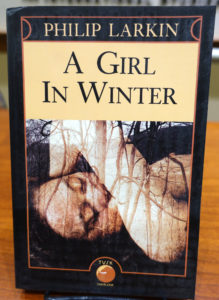
Did the earth shake? Another Look totally rocked Philip Larkin’s 1947 novel, “A Girl in Winter.”

Share

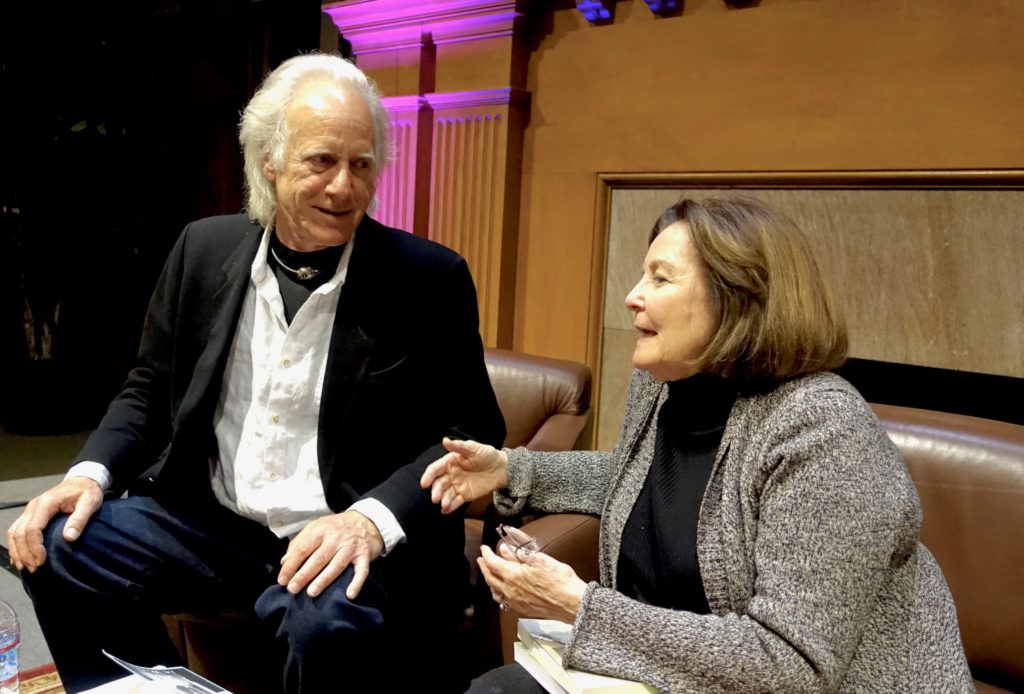
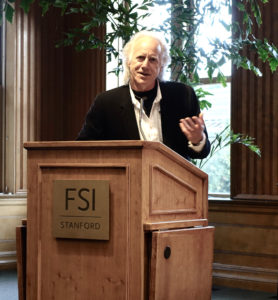
Liddie Conquest discusses Philip Larkin with Robert Harrison. (All photos by David Schwartz)

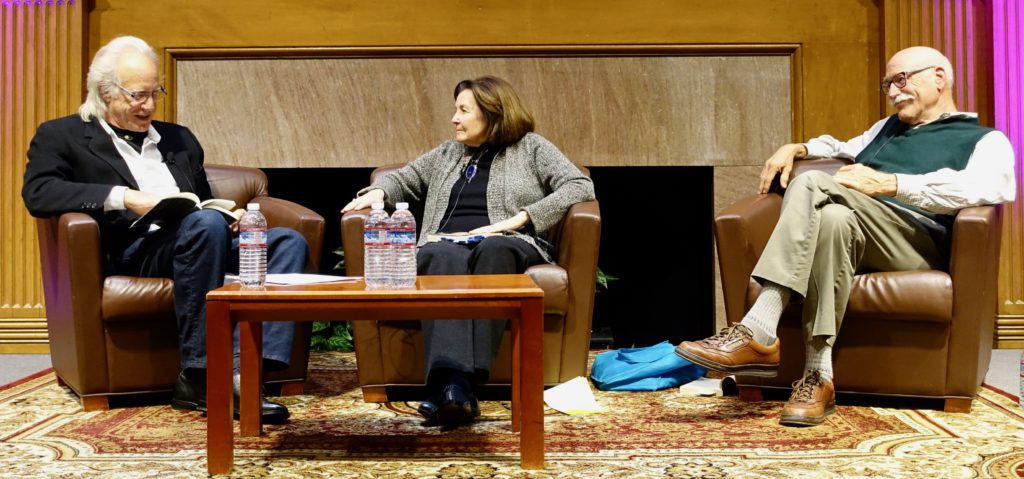
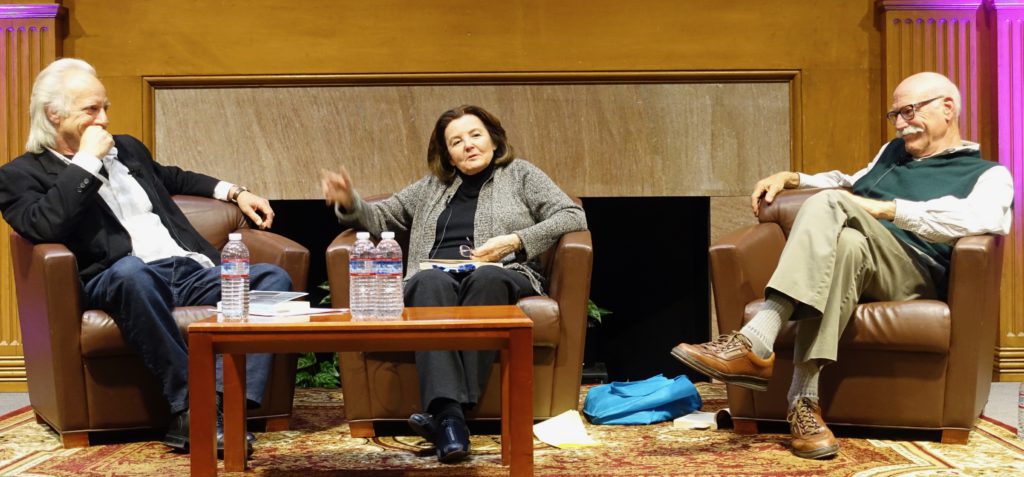
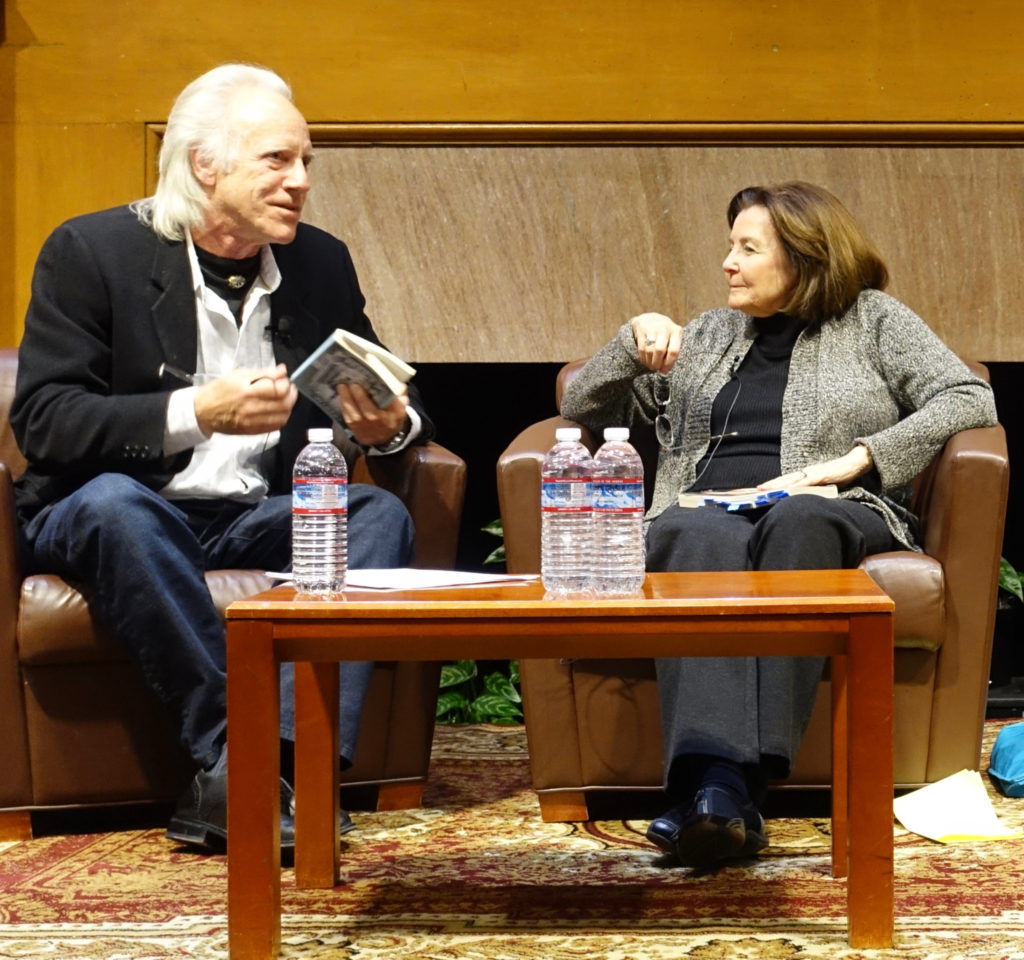
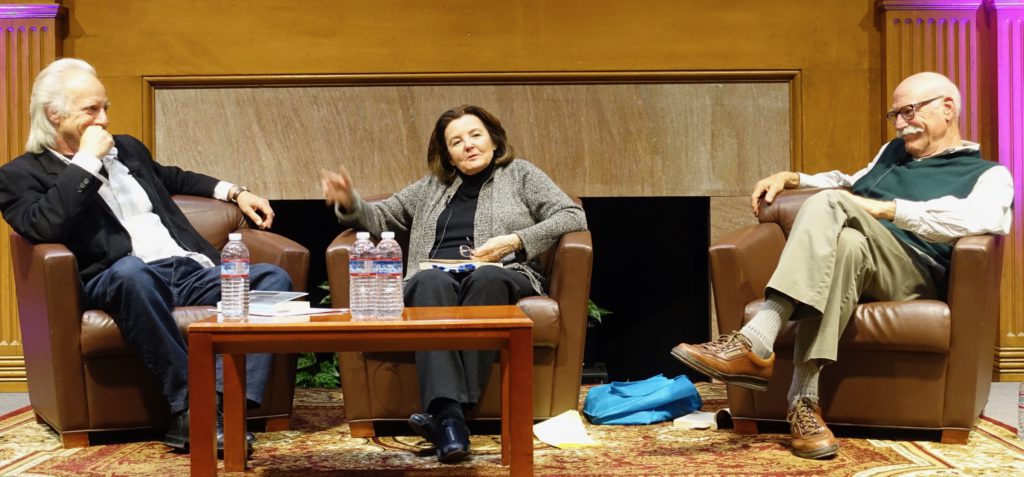
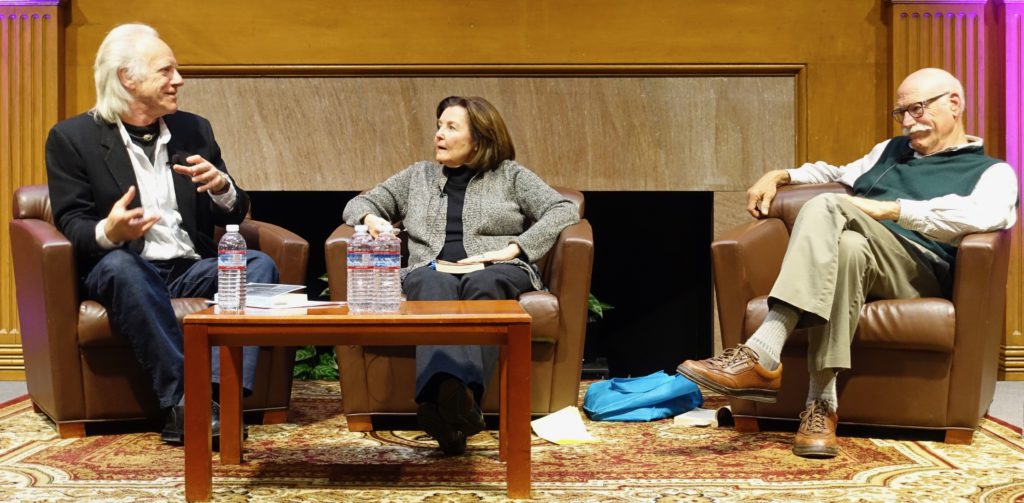
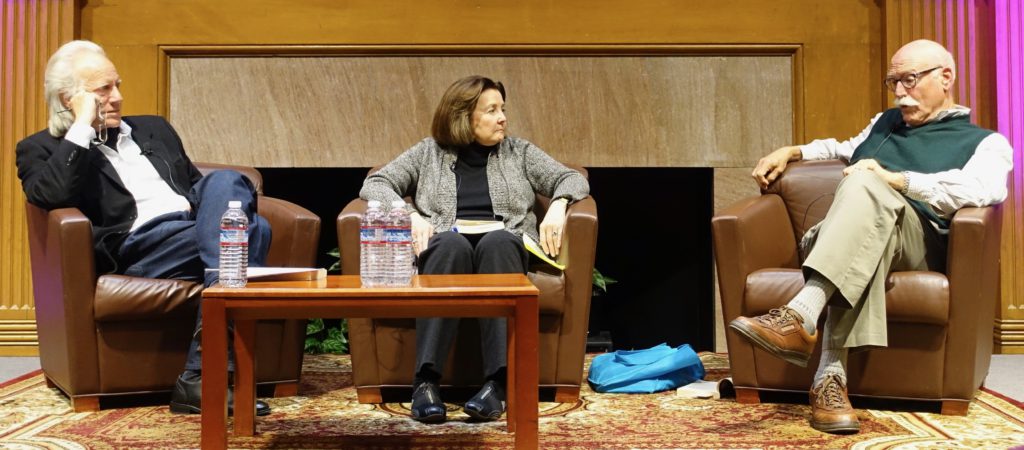
Monday, April 30, marked a notable event in the literary world: perhaps the first-ever discussion of poet Philip Larkin‘s 1947 novel, A Girl in Winter at a top-ranking university. If the event does have a precedent, it’s unlikely to have matched the high-caliber expertise assembled at the Bechtel Conference Center that night. Another Look Director Robert Pogue Harrison moderated the discussion. The Stanford professor also hosts the popular talk show, Entitled Opinions, and contributes regularly to the New York Review of Books. He was joined by renowned author and National Medal of Arts winner Tobias Wolff, professor emeritus of English at Stanford.

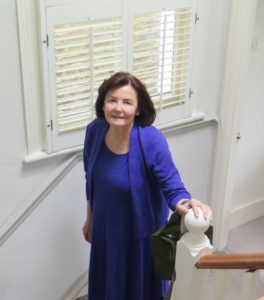
Literary scholar Elizabeth Conquest, universally known as “Liddie,” completed the trio of panelists. She knew Philip Larkin personally—he was a close friend of her late husband, historian and poet Robert Conquest—and has written about Larkin’s poetry.

Robert Harrison introduces the book.

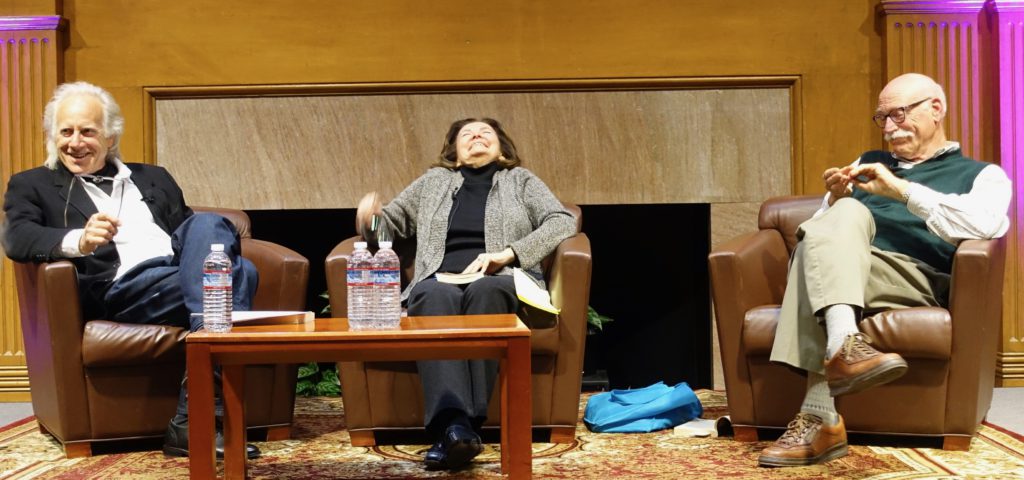
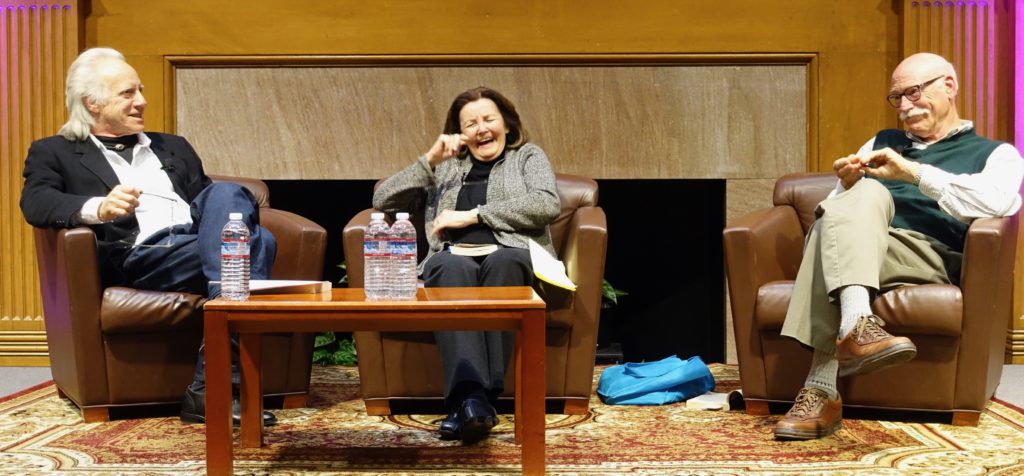
Some said it was our best event ever – one compared it to a delightful dance for three, to a “delicious effect.” Another said simply that they wished we had four events a year, rather than three.

Robert’s introduction of Larkin’s forgotten early novel riffed on the opening lines of the overlooked classic, originally titled The Kingdom of Winter: “There had been no more snow during the night, but because the frost continued so that the drifts lay where they had fallen, people told each other that there was more to come. And when it grew lighter, it seemed that they were right, for there was no sun, only one vast shell of cloud over the fields and woods…”

The little-known novel takes place in wartime England, where a young refugee from Europe named Katherine Lind tries to recover her life while working in a provincial library. Meanwhile, she recalls a memorable summer with the Fennel family in England before the war, and a near-romance with the son Robin.

The book was the second in a trilogy, and the third was never completed. Larkin turned to poetry instead. Was the early, forgotten book a masterpiece? Toby’s conclusion at the end of the evening was decisive and emphatic. Yes, he said.

The sparks were lively and the balance of personalities was effective and harmonious. Toby’s background as a soldier was helpful in explaining Robin’s emotional state at the end of the book, and he also shared some chilling details of the destruction of Larkin’s hometown, Coventry. Liddie reflected on Larkin’s life and poetry – and she also shared a passage he wrote in a 1977 letter to her husband. The three discussed in detail the signficance of the noisy tick-tock of Katherine’s watch. But I won’t spoil it for you by quoting the end of the book, only part of the penultimate paragraph instead:
“There was the snow, and her watch ticking. So many snowflakes, so many seconds. As time passed they seemed to mingle in their minds, heaping up into a vast shape that might be a burial mound, or the cliff of an iceberg whose summit is out of sight. Into its shadow dreams crowded, full of conceptions and stirrings of cold, as if icefloes were moving down a lightless channel of water…”

From Robert’s opening remarks, to the lively and insightful audience questions and responses – it was a remarkable and memorable evening. David Schwartz outdid himself capturing the evening in photos. Did our panelists have fun? See the photos from the panel below.

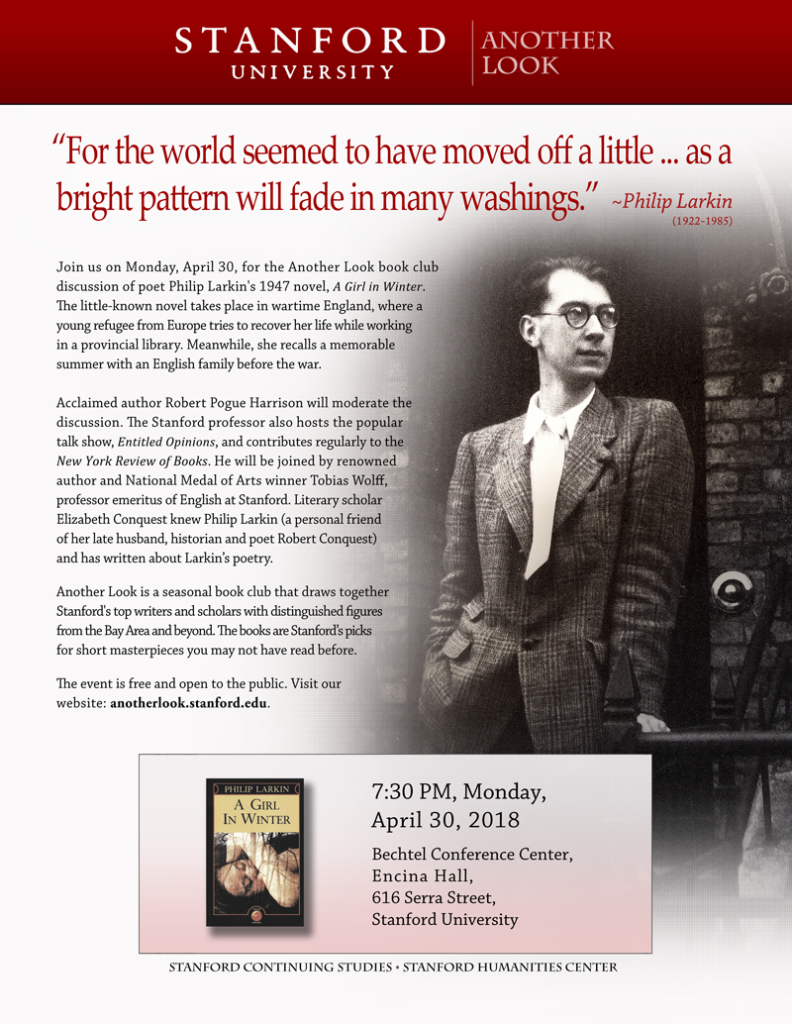
TONIGHT: Philip Larkin’s early novel “A Girl in Winter” at Stanford!

Share

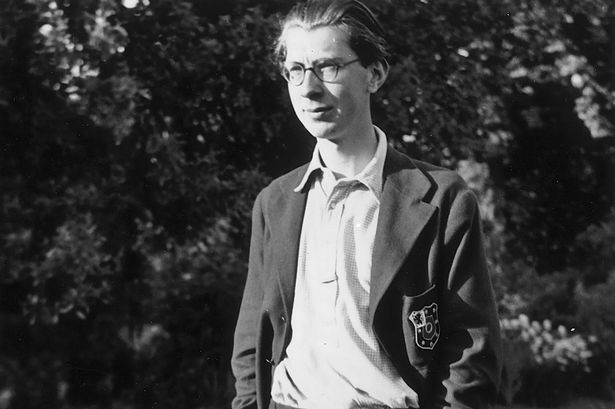
Portrait of the poet as a young man… Philip Larkin

 .

Robert Harrison

Philip Larkin is one of England’s most eminent postwar poets, but few know of his early forays into fiction. All that changes tonight, Monday, April 30, when Another Look considers Larkin’s little-known 1947 novel that takes place in wartime England, where a young refugee from the Continent attempts to recover her life while working in a provincial library. Meanwhile, she recalls an idyllic summer with an English family before the war. Please join us! The event is free and open to the public. Come early for best seats.


Tobias Wolff

When, where, who …

The Larkin event will take place at the Bechtel Conference Center at 7:30 p.m. on Monday, April 30. Panelists will include Another Look Director Robert Harrison, who will will moderate the discussion. The Stanford professor and author also hosts the popular talk show, Entitled Opinions. He will be joined by renowned author Tobias Wolffthe founding director of Another Look, and literary scholar Elizabeth Conquest. “Liddie” Conquest knew Philip Larkin—a close friend of her late husband, historian and poet Robert Conquest and has written about Larkin’s poetry.

Liddie Conquest

.

Elizabeth Conquest in the Wall Street Journal

As we wrote in the Book Haven last week, “Liddie” Conquest was featured in an article in the Wall Street Journal. The article is available to subscribers here. The article is excerpted on The Book Haven here
 
.
Directions
 .
The Bechtel Conference Center hosts all of Another Look’s events – a map is here. The nearby Knight parking structure, underneath the nearby Graduate School of Business, has plenty of room for free parking (see here for a map). In addition, parking is available on Serra Street and in front of Encina Hall itself.
 .
In keeping with the Another Look mandate, this book has been pretty much forgotten in 20th century literary history. Help us jump-start a public conversation of this overlooked work. 
.

“My weight is my love”: on Augustine, Calvino, and Sepp Gumbrecht

Share


One of the weightiest minds at Stanford.

Over the weekend, more than forty speakers from Europe, Latin America, and the United States addressed the state of literary studies after 1967, its methods and moods. The reason for the fête: Hans Ulrich Gumbrecht, a.k.a. “Sepp.” At Stanford, he is also known as the “Albert Guérard Professor in Literature in the Departments of Comparative Literature and of French & Italian and by courtesy, he is affiliated with the Department of Iberian and Latin American Cultures, the Department of German Studies, and the Program in Modern Thought & Literature.” The reason for the fête: we were celebrating 50 years of his life as a thinker, mentor, and indefatigable writer. It doubled as a splendid retirement party.

Heavy, man.

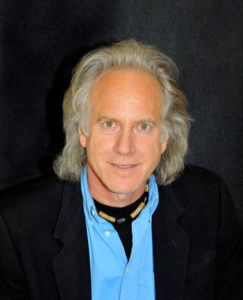
All that gives you an idea of his weight – but not of his lightness. He is one of the gentlest and pleasantest personalities at the whole university – as well as one of the most brilliant. And he also possesses one of the most memorable and remarkable faces on campus. (See photo.)
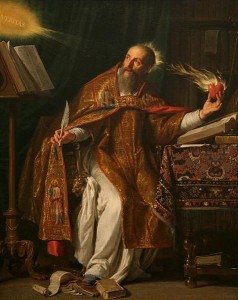
One of the most impressive and moving talks was given by Robert Pogue Harrison, who discussed “Pondus Amoris,” taken from Augustine‘s “my weight is my love [pondus meum amor meus].” Robert has often spoken of Italo Calvino‘s Six Memos for the Next Millennium, published in 1986, which identified six literary qualities, or values, that he believed would enable literature to survive into the next millennium – “that is to say, our millennium,” he added. Those qualities are lightness, quickness, exactitude, visibility, and multiplicity. (He died before he finished describing his final one – consistency.) 

But because he often references the Six Memos (and I have come to, as well) I assumed  that Robert was on the side of lightness. Not so. From Robert’s talk:

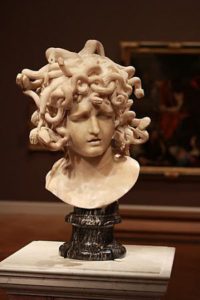
I admire Calvino greatly, yet here too, as with Augustine, my sensibilities lean in another direction. If I had to choose, I would opt for slowness, heaviness, and vagueness over quickness, lightness and exactitude in literature. Be that as it may, in his lightness memo Calvino claims that we live in a leaden age, an age that would petrify us with its Medusa head:

Petrifying.

“At certain moments I felt that the entire world was turning into stone: a slow petrification, more or less advanced depending on people and places but one that spared no aspect of life. It was as if no one could escape the inexorable stare of Medusa. The only hero able to cut off Medusa’s head is Perseus, who flies with winged sandals…. To cut off Medusa’s head without being turned to stone, Perseus supports himself on the very lightest of things, the winds and the clouds, and fixes his gaze upon what can be revealed only by indirect vision, an image caught in a mirror.”

I’m sorry to be so contrarian today, but I don’t agree with Calvino on this score. I believe that our age is in fact determined by free-floating bits and bites of information, and by the aerial vectors of telecommunications. The massive mainframe computers that Atlas himself couldn’t lift a few decades ago have become so light and fast that nowadays we carry them around in our shirt pockets. Modernity is an ongoing striving for lightness, and our world today is threatened not so much by the petrifying weight of reality but by the photoelectric pulsations of the virtual. Our Medusa head is the cell phone screen. We need a new kind of shield to protect us against the miniaturization of reality – a heavy, non-reflective Realometer, to borrow a term from Thoreau, to counter the increasing rarefaction of lived experience.

Did Augustine get it right?

In his memo, Calvino exalts Shakespeare’s character Mercutio, from Romeo and Juliet, as a hero of lightness.  … I would also like Mercutio’s dancing gait to come along with us across the threshold of the new millennium.

Calvino quotes only five lines from Mercutio’s long speech in Act One of Romeo and Juliet. It’s the scene when a group of Montague youngsters are heading toward the Capulet’s costume ball, where Romeo and Juliette will meet for the first time. What Calvino doesn’t mention is that Mercutio’s speech is over ninety lines long. By the end of it, the metaphors and conceits are spinning out of control, and his rave comes dangerously close to leaving the earth’s orbit altogether. It takes Romeo to bring Mercutio back down to earth: “Peace, peace, Mercutio, peace!” Romeo says as he grabs hold of his friend. “Peace, peace, Mercutio, thou talkst of nothing.”

That’s the trouble with lightness, it can easily wisp away into nothing.

More in the coming days from Stanford’s celebration for one of its most eminent professors.

The Ethos of “Cool”: Robert Harrison on Jim Morrison and The Doors

Share

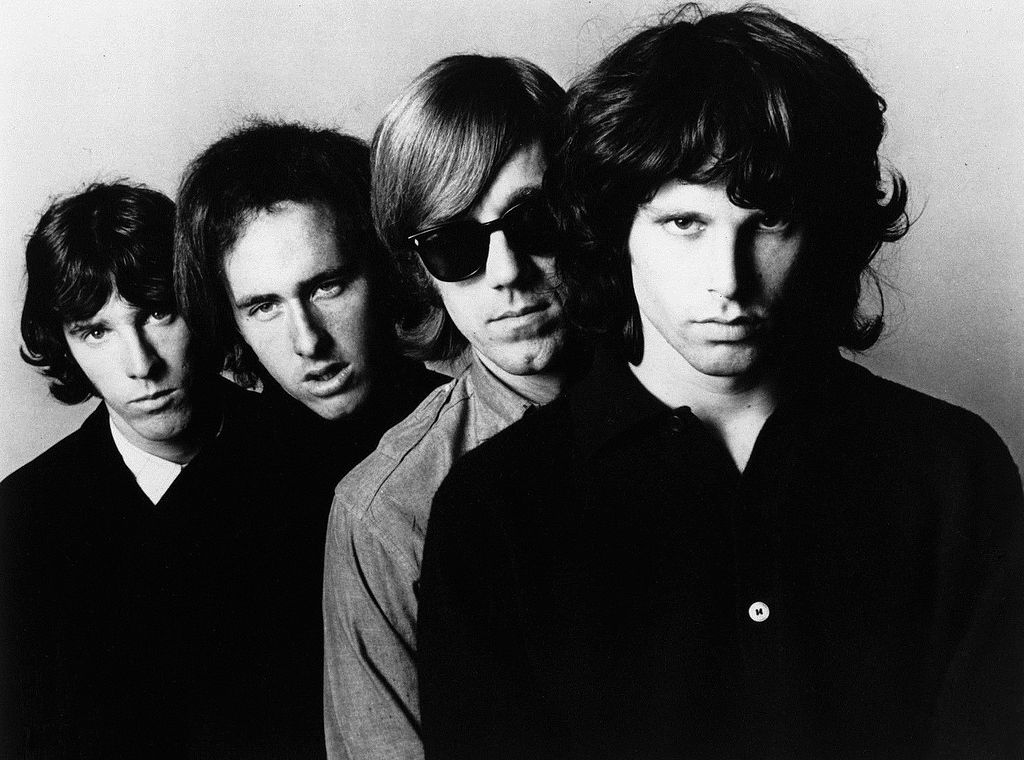
The Doors in 1966: John Densmore, Robby Krieger, Ray Manzarek, Jim Morrison.

We know what you’re thinking: Is the high-toned Book Haven, lovers of Brahms, Bach, Beethoven and Byrd, getting into bed with rock ‘n roll? 

Just this once. Stanford’s Robert Pogue Harrison is a huge rock fan. So the latest podcast on Entitled Opinions’ new channel at the Los Angeles Review of Books features one of his favorite bands. We listened to it, wrote about it, and … well, found it fascinating. You might, too, especially Robert’s exposition of the “ethos of cool.” (Or go straight to the website to listen to it here.)

Here goes:

“Hot is momentary. It quickly turns to ashes. But cool stays cool.”

Fifty years ago, the award-winning album The Doors was released into the world – a landmark debut for what would become L.A.’s biggest band. The Doors and its lead singer Jim Morrison have few champions as articulate and passionate as Entitled Opinions host Robert Pogue Harrison, who interprets the band’s legacy in this podcast.

“The beginning holds sway over the entire unfolding of the story,” he explains, describing how Morrison was “incubating his future on a rooftop,” as he lived for weeks in “a high-perched nest in Venice, California.” He had little more than a blanket, candles, oranges, notebooks, and LSD, which was cheap and legal at the time. He meditated. He filled his notebooks with poems.

Although he’d never studied music, nor played a musical instrument, songs swirled in his head – and eventually “the ghosts became flesh,” says Harrison. Morrison described what happened this way: “I was just taking notes at a fantastic rock concert that was going on inside my head.”

These were most critical weeks of his life. “In little more than a month, Morrison had undergone a metamorphoses,” according to Harrison.

Harrison discusses Morrison’s military family, and how the young man was “raised to military code of order, discipline obedience, and stoical formalism.” He also explores the ethos of “cool.” Although many see Morrison’s music as a Dionysian expression, Harrison points out that “what you never hear is a convulsive maniac in need of an exorcism.” Morrison always returns to form, measure, restraint. “In the final analysis, Apollo always dominated over Dionysius.”

Potent quotes:

“Morrison had one of the great screams in the history of rock.”

“Jim Morrison had a great deal of fire, but it was the cool that prevailed and always called the shots.”

“Cool does not crave. But our age is craven.” 

“Morrison always withheld something, even when he appeared to let it all hang out.”

“The slowness of cool is not lymphatic, it’s the deliberate withholding of speed.”

“Jim Morrison was in a hurry only when it came to finding a way to die.”


Listen to the whole podcast here.

.

Stanford celebrates Frankenstein on the bicentennial of its publication – be there on Jan. 24!

Share

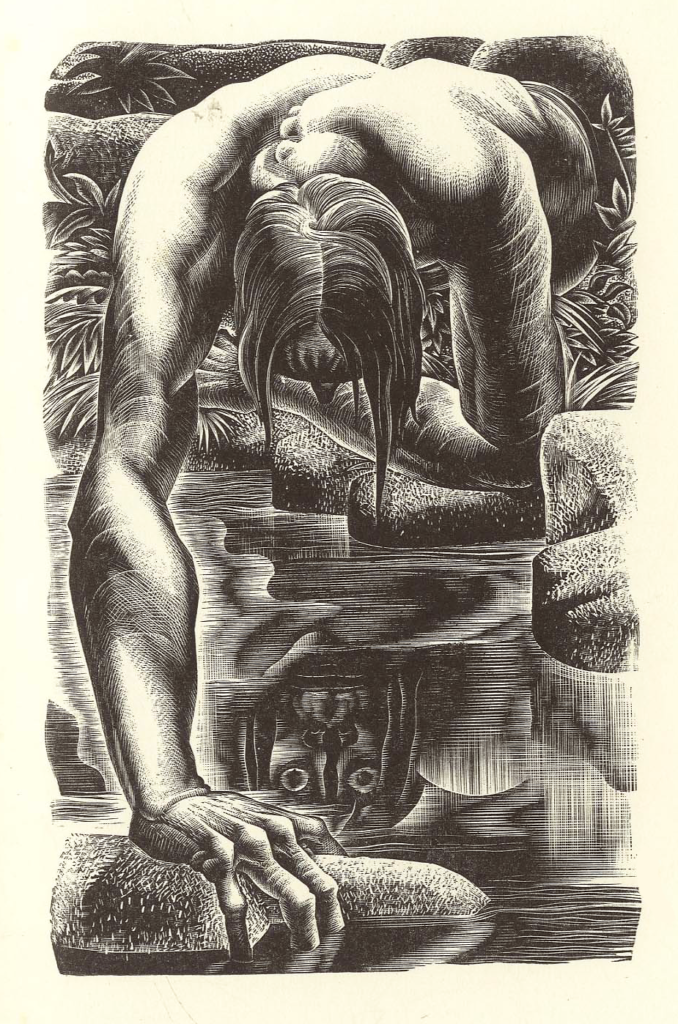
Artist: Lynd Ward, provided by the Estate of Lynd Ward

Today is more than the usual New Year’s Day. It marks the bicentennial of the very day the 20-year-old Mary Shelley published her masterpiece, Frankenstein; or, The Modern Prometheus on January 1, 1818. It was an immediate popular success. The book would rock the world, and inspire films, theater adaptations, television shows, video games, sequels, and spinoffs. But today’s public conception of the hero may owe more to Boris Karloff‘s iconic 1931 film role than to the “the Creature” that Shelley created in her classic, with its complicated and troubling humanity.

Hence, the winter “Another Look” event spotlights Shelley’s Frankenstein. The discussion will take place at 7:30 p.m. on Wednesday, January 24, at the Bechtel Conference Center. Frankenstein will be a special two-hour event with four panelists. So far, we’ve seen a lot of interest in this one from the medical and technology  communities – at Stanford and beyond. We’re bracing for a full house.

Another Look’s winter event on Frankenstein is part of Stanford’s year-long celebration of the bicentennial of the book’s publication. Shelley’s tale has proved timely, even prophetic, given our current concerns about artificial intelligence, stem cells, and animal-to-human transplants. Frankenstein explores the role of conscience in creation, and asks: What does it mean to be human? Is it wise to play God? What are the creator’s moral obligations towards his or her creation?

While the campus-wide Frankenstein@200 will explore the moral, scientific, sociological, ethical and spiritual dimensions of the book, Another Look will focus on the book as a literary work: a flowering of the romantic imagination, as well as a pioneering landmark in science fiction.

According to critic Harold Bloom, “The greatest paradox and most astonishing achievement of Mary Shelley’s novel is that the monster is more human than his creator. This nameless being, as much a modern Adam as his creator is a modern Prometheus, is more lovable than his creator and more hateful, more to be pitied and more to be feared, and above all able to give the attentive reader that shock of added consciousness in which aesthetic recognition compels a heightened realization of the self.”

Acclaimed author Robert Pogue Harrison will moderate the discussion. The Stanford professor who is Another Look’s director writes regularly for The New York Review of Books and hosts the popular talk show, Entitled Opinions. He will be joined by three panelists who have all taught Frankenstein at Stanford: French Prof. Dan Edelstein, Classics Prof. Andrea Nightingale, and former Stanford fellow Inga Pierson.

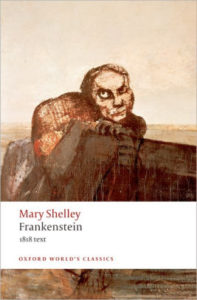
The panelists will be focusing on the original 1818 version of the novel, rather than the later 1831 edition – and discussing some of the differences between the two. You can find the Oxford edition of the original at the Stanford Bookstore, Kepler’s in Menlo Park, and Bell’s Books in Palo Alto. (But don’t worry if you’ve read a different edition!)

The Another Look book club takes on short classics that have been forgotten, neglected, or overlooked—or may simply not have received the attention they merit. The selected works are short, in order to encourage the involvement of Bay Area readers whose time may be limited. Subscription at anotherlook.stanford.edu is encouraged for regular updates and details on the selected books and events.

All Another Look events are free and open to the public – and please bring your friends!