
René Girard: our desires are less personal than we think

Share

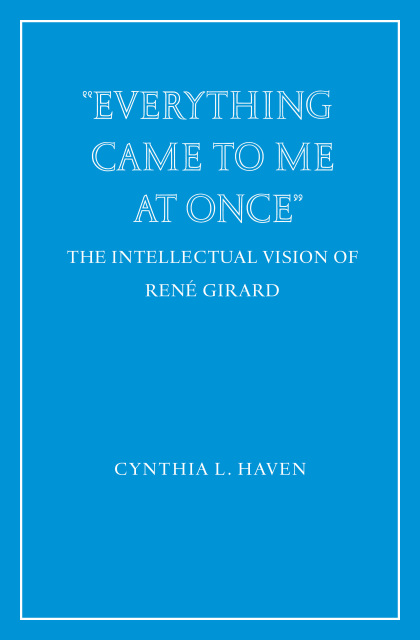
Praise for the opuscule! An adapted chapter of my forthcoming Evolution of Desire: A Life of René Girard has been published separately by the fine-press publisher Wiseblood as Everything Came to Me at Once: The Intellectual Vision of René GirardWell, we wrote about that already here. Here’s the news: Trevor Cribben Merrill has some kind words about it in Education & Culture, the new website launched by John Wilson, formerly the mastermind behind the now defunct Books & Culture.

An excerpt:

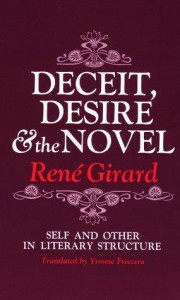
If I took one thing away from Haven’s little book, it was the likeness between Girard’s own creative conversion and that of the novelists he studied in Deceit, Desire, and the Novel, which despite his later shift to religious anthropology may still be his most compelling and characteristic work. Deceit is at once a brilliant take on five classic writers—Cervantes, Stendhal, Flaubert, Proust, and Dostoevsky—and a history of desire in the modern west, tracing how pathological competition sprang up on the ruins of the Old Regime’s feudal hierarchies. But it is also, if more discreetly, a book about artistic creation. Great writers, Girard argues, come to grasp that our desires are less personal than we like to believe, and that others often wield a decisive influence over us just when we think we are free. Don Quixote is aware of imitating. Much as the Christian asks “What would Jesus do?”, at every moment Quixote wonders: “What would Amadis of Gaul do?” But Dostoevsky, writing as rapidly urbanizing Russia played catch up with the West, portrays an alienated self-love that feeds on others yet can only survive by denying this. Anticipating Seinfeld by more than a century, his “underground men” get worked up over tiny slights, and rush out to give their enemies the cold shoulder.
Unconscious “triangular desire” (the metaphor accounts for the way our desires draw strength from a model or “mediator” instead of going straight from subject to object) lives or dies on our tendency to buy the “romantic lies” we feed others. We tell ourselves—and our friends—that we are going to the beach to soak up the sunshine and feel the soft caress of a sea breeze. Or that we take an interest in literature out of a detached scholarly curiosity. But it may be that the beach is so tempting because an ex-girlfriend often goes windsurfing there, and that our heavily-footnoted study of Chinua Achebe masks a craving to write prize-winning novels. Our friends see right through us, of course—but they have their own obsessions, which we treat with a condescending indulgence to equal theirs toward us.

In short, triangular desire is something one complacently or indignantly observes in others, but it must be discovered in one’s own life. This is obvious on one level, but on another it can be difficult to grasp. Maybe that’s why a persistent misunderstanding surrounds Girard’s reading of literature. Some take the mere presence of triangular desire in a work as sufficient reason to declare its author a world-class genius, on par with Proust or Dostoevsky. Articles and dissertations trumpet the triangularity of this or that writer’s fiction, as if the ability to spot envy and jealousy in the modern world, which often encourages those vices, were especially noteworthy in itself.

Read the rest here.

Postscript on Oct. 5: Looks like we got pickup from The Weekly Standard here.
“Coetzee has always been an intensely metaphysical novelist.”

Share

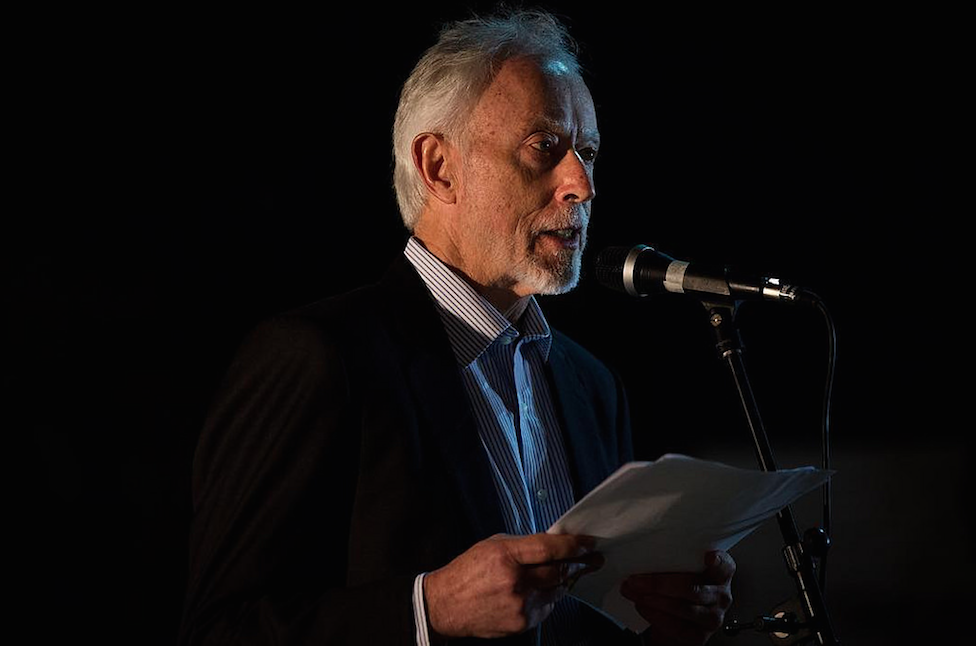
“Chaste, exact, ashen prose” drawn to “passionate extremity.” (Photo: Creative Commons)

A dispiriting Saturday sifting through bins of unsorted papers from the garage, deciding whether I really need the proofs of books published long ago, wondering how long I should keep old Christmas cards from friends, trying to decipher the signatures on yellowed letters, and asking myself whatever will I ever do with all the photos of nieces and nephews at one year old, then two years old, then three…

So why was I holding on to a Christmas issue of The New Yorker from almost a full decade ago? Ah yes. “Squall Lines: J.M. Coetzee‘s ‘Diary of a Bad Year'” – a review written by a literary critic who maintains that “the novel exists to be affecting…to shake us profoundly. When we’re rigorous about feeling, we’re honoring that.” His essays make me weep with envy.
I can do no better on a slow Saturday night than to quote from James Wood‘s 2007 review on the Nobel Prizewinning South African writer Coetzee, a novelist who, also, makes me weep with envy.

Diary of a Bad Year’s protagonist is a novelist who is, in some ways, an alter ego, who laments that his art is “not great-souled,” that it lacks “generosity, fails to celebrate life, lacks love.” But what a soul he has – as Wood comments, if not great-souled, than deep-souled:

Yet this is the cold air just beyond the reach of a fire. Coetzee’s chaste, exact, ashen prose may look like the very embers of restraint, but it is drawn, again and again, to passionate extremity: an uneducated gardener forced to live like an animal off the South African earth (“Life & Times of Michael K”); a white woman dying of cancer while a black township burns, and writing, in her last days, a letter of brutal truths to her daughter (“Age of Iron”); a white woman raped on her farm by a gang of black men, and impregnated (“Disgrace”); a recent amputee, the victim of a road accident that mangled a leg, helpless in his Adelaide apartment, and awkwardly in love with his Croatian nurse (“Slow Man”). Coetzee seems compelled to test his celebrated restraint against subjects and ideas whose extremity challenges novelistic representation.

***

James Wood

Coetzee is devoted to Dostoyevsky, and “Elizabeth Costello” made clear that part of that devotion has to do with what the Russian literary theorist Mikhail Bakhtin called the “dialogic” nature of Dostoyevsky’s arguments. Bakhtin noted that it is impossible to infer from the novels what Dostoyevsky believed, because no single idea ever gains authorial dominance. Instead, ideas, like the characters themselves, are in constant circulation and mutual qualification. It is how Dostoyevsky the ardent Christian was able to argue against himself, awarding Ivan Karamazov the most devastating petition against conventional Christian belief ever mounted in a novel. Coetzee is interested in how we profess ideas, both in life and in novels. We tend to think of ourselves as intellectually stable, the oaken pile of principle driven reassuringly deep into the ground. All the Presidential-campaign cant about “values” testifies to this; to flip-flop is to flop. But what if our ideas are, rather, as Virginia Woolf imagined consciousness: a constant flicker of different and self-cancelling perceptions, entertained for a moment and then exchanged for other ones? Imagine a fervent Christian, who has always believed in the afterlife. One night, waking in terror, he realizes, for only a second, but absolutely, that there is no afterlife. The terror passes, and the next morning he reaffirms his public vows. He does not succumb to doubt. Still, the question remains: what has happened to his orthodoxy? If it has not been cancelled or refuted by the nightmarish doubt, does it now contain, like a trapped smell, the ghost of its opposite?

***

Devotion

Unlike the philosopher, the novelist may take an idea beyond its rational terminus, to the point where the tracks start breaking up. One name for this tendency is the religious, the realm where faith replaces reason. Coetzee has always been an intensely metaphysical novelist, and in recent years the religious coloration of his metaphysics has become more pronounced.

***

It is not the force of Ivan’s reasoning, he says, that carries him along but “the accents of anguish, the personal anguish of a soul unable to bear the horrors of this world.” We can hear the same note of personal anguish in Coetzee’s fiction, even as that fiction insists that it is offering not a confession but only the staging of a confession. His books makes all the right postmodern noises, but their energy lies in their besotted relationship to an older, Dostoyevskian tradition, in which we feel the desperate impress of the confessing author, however recessed and veiled.

Here’s the good news: I can throw the 2007 New Yorker away! The article is all online! Read the whole thing here.

Want to communicate with the dead? A dead man tells us how. (Plus some kind words for the Book Haven!)

Share

Words of praise for the Book Haven from Rhys Tranter over at his lively and excellent website:

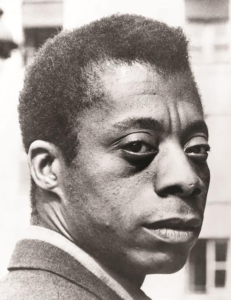
One of the finest literary blogs around is Cynthia Haven‘s The Book Haven, hosted by Stanford University. The site covers a rich variety of topics in a lively and accessible way, and includes reviews and interviews alongside thought-provoking essays. In addition, Haven is alert to the political and cultural turmoil that continues to shape contemporary American consciousness. In a recent post, she draws on the words of American writer James Baldwin to examine how literature can lead to greater empathy and understanding between people and communities:

Preach it. (Photo: The Granger Collection)

There’s a direct line between our moral and social crises and the collapse of the humanities. […] Here’s one reason: literature is our chance to explore the world of  the “other,” to enter into some head other than our own. You can’t read The Brothers Karamazov without being able to understand multiple ways of living and thinking in the world, and some quite alien to one’s own p.o.v. That’s precisely what’s lacking in today’s public life, and that’s the understanding that should have been grounded in our educational system.

Then he included the words of James Baldwin I had cited: “You think your pain and your heartbreak are unprecedented in the history of the world, but then you read. It was Dostoevsky and Dickens who taught me that the things that tormented me most were the very things that connected me with all the people who were alive, or who ever had been alive. Only if we face these open wounds in ourselves can we understand them in other people.”

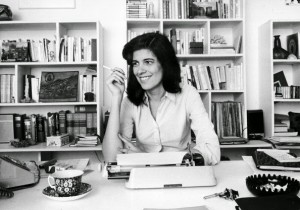
There’s so much to be said beyond Baldwin’s insightful words, however. We’ve said it before here and here, for example. Here’s a passage from James Marcus‘s interview with the late Susan Sontag on the subject:

“Education of the heart”

“Reading should be an education of the heart,” she says, correcting and amplifying her initial statement. “Of course a novel can still have plenty of ideas. We need to discard that romantic cliché about the head versus the heart, which is an absurdity. In real life, intellect and passion are never separated that way, so why shouldn’t you be moved by a book? Why shouldn’t you cry, and be haunted by the characters? Literature is what keeps us from shriveling into something completely superficial. And it takes us out of ourselves, too.”

“Perhaps some people don’t want to be taken out of themselves,” I suggest.

“Well, reading must seem to some people like an escape,” she allows. “But I really do think it’s necessary if you want to have a full life. It keeps you–well, I don’t want to say honest, but something that’s almost the equivalent. It reminds you of standards: standards of elegance, of feeling, of seriousness, of sarcasm, or whatever. It reminds you that there is more than you, better than you.”

“a form of moral insurance”

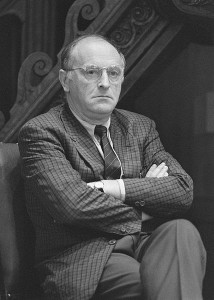
Joseph Brodsky went even further in his Nobel lecture (here), famously saying, “There is no doubt in my mind that, had we been choosing our leaders on the basis of their reading experience and not their political programs, there would be much less grief on earth. It seems to me that a potential master of our fates should be asked, first of all, not about how he imagines the course of his foreign policy, but about his attitude toward StendhalDickensDostoevsky. … As a form of moral insurance, at least, literature is much more dependable than a system of beliefs or a philosophical doctrine.”

It also prevents us Gary Saul Morson what I call the “Downton Abbey Syndrome”: “the more that authors and characters shared our beliefs, the more enlightened they were. This is simply a form of ahistorical flattery; it makes us the wisest people who ever lived, much more advanced than that Shakespeare guy. Of course, numerous critical schools that judge literary works are more sophisticated than that class on Huckleberry Finn, but they all still presume the correctness of their own views and then measure others against them. That stance makes it impossible to do anything but verify what one already believes. Why not instead imagine what valid criticisms these authors would advance if they could see us?”

“converse with the dead, the absent, the unborn”

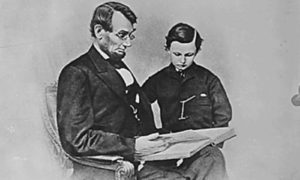
According to Abraham Lincoln:  “Writing – the art of communicating thoughts to the mind, through the eye – is the great invention of the world. Great in the astonishing range of analysis and combination which necessarily underlies the most crude and general conception of it – great, very great in enabling us to converse with the dead, the absent, and the unborn, at all distances of time and of space; and great, not only in its direct benefits, but greatest help, to all other inventions.”

Protection against propaganda returns us to Rhys Tranter again, in his post this week:, which has takes on the more ominous side of a society that no longer cultivates emotional standards and discrimination, this time in the words of Thomas Merton: “[In] an evolved society there are no innocent victims of propaganda. Propaganda succeeds because men want it to succeed. It works on minds because those minds want to be worked on. Its conclusions bring apparent light and satisfaction because that is the kind of satisfaction that people are longing for. It leads them to actions for which they are already half prepared: all they ask is that these actions be justified. If war propaganda succeeds it is because people want war, and only need a few good reasons to justify their own desire.”

Celebrate Elijah’s day – and Dostoevsky, too.

Share

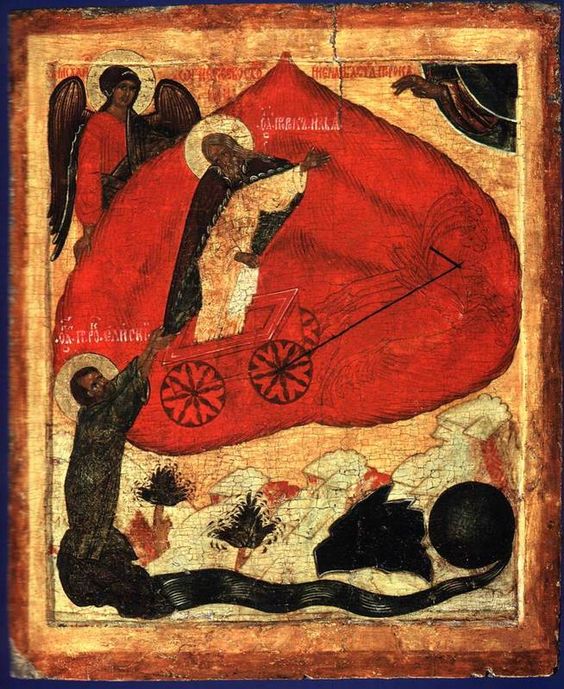
In his fiery chariot…

Fyodor Dostoevsky wanted to present a uniquely Russian brand of Christianity to the world. What better way than Elijah the Prophet, popular image in iconography and a hero of folklore? 

Hence, the axe murderer Raskolnikov of Crime and Punishment confesses on Elijah’s Day, after wandering the city all night during a fierce  thunderstorm – which, according to Russian folklore, is always expected on Elijah’s holiday. Elijah stands in for retribution and judgment in the folkloric cosmology – and also for the pagan thundered Perun.

Today’s his feast day. Celebrate with – what? A flaming brandy, perhaps?

The link with Dostoevsky is a fascinating one. According to a post today on SEELANGS, an Eastern European listserve:

Raskolnikov confesses to a gruff assistant police superintendent named Elijah (Il’ia) whose portrayal is replete with imagery connected with thunder, lightning and fire. There is no doubt that the spectacular storm is the proverbial Elijah’s Day thunderstorm because the story begins in the first week of July. Two weeks pass before the confession, taking us to around July 20 (August 2 on the new style calendar). The assistant superintendent’s nickname is Gunpowder, a detail that evokes the boom of thunder as well as the Petersburg Church of Elijah, which stood at the gunpowder factory. In his earlier work called “The Village of Stepanchikovo” Dostoevsky had used the Elijah’s Day storm in a similar fashion at the story’s climax. In Stepanchikovo the assembled characters cry out “Elijah the Prophet!” as thunder strikes overhead and the central hero ejects the evil backbiter Foma Fomich from his home. It is Elijah’s Day, the nameday of the hero’s son and father.

Elijah’s biggest booster

Dostoevsky’s early novella “The Landlady” is undecipherable without a knowledge of the Russian folkloric Elijah. The bileous, enigmatic old Elijah Murin is an earthly emanation of the prophet Elijah. Failing to see this, scholars have interpreted Murin as a demonic figure in the tale and have misunderstood the author’s intent. Elijah symbolism runs through around ten other works by Dostoevsky, including The Brothers Karamazov, where the Elijah theme is very prominent. In the first drafts of the novel, the family name Il’inskii (from Il’ia ‘Elijah’) is used instead of Karamazov.

The story of this imagery in Dostoevsky’s fiction is long and fascinating. Literary scholars have been blind to the Elijah allusions because most of them know little about the folklore of Elijah and they have never suspected that folk beliefs of this nature could play such a central role in Dostoevsky’s writing. The late Yurii Marmeladov is the discoverer of the Elijah theme in Dostoevsky. See his study Tainyi kod Dostoevskogo (1992) …

You can read more at the Birchbark Press of Karacharovo, the source of the posting here.

An overlooked classic? Stanford makes the case for Dostoevsky’s The Double

Share

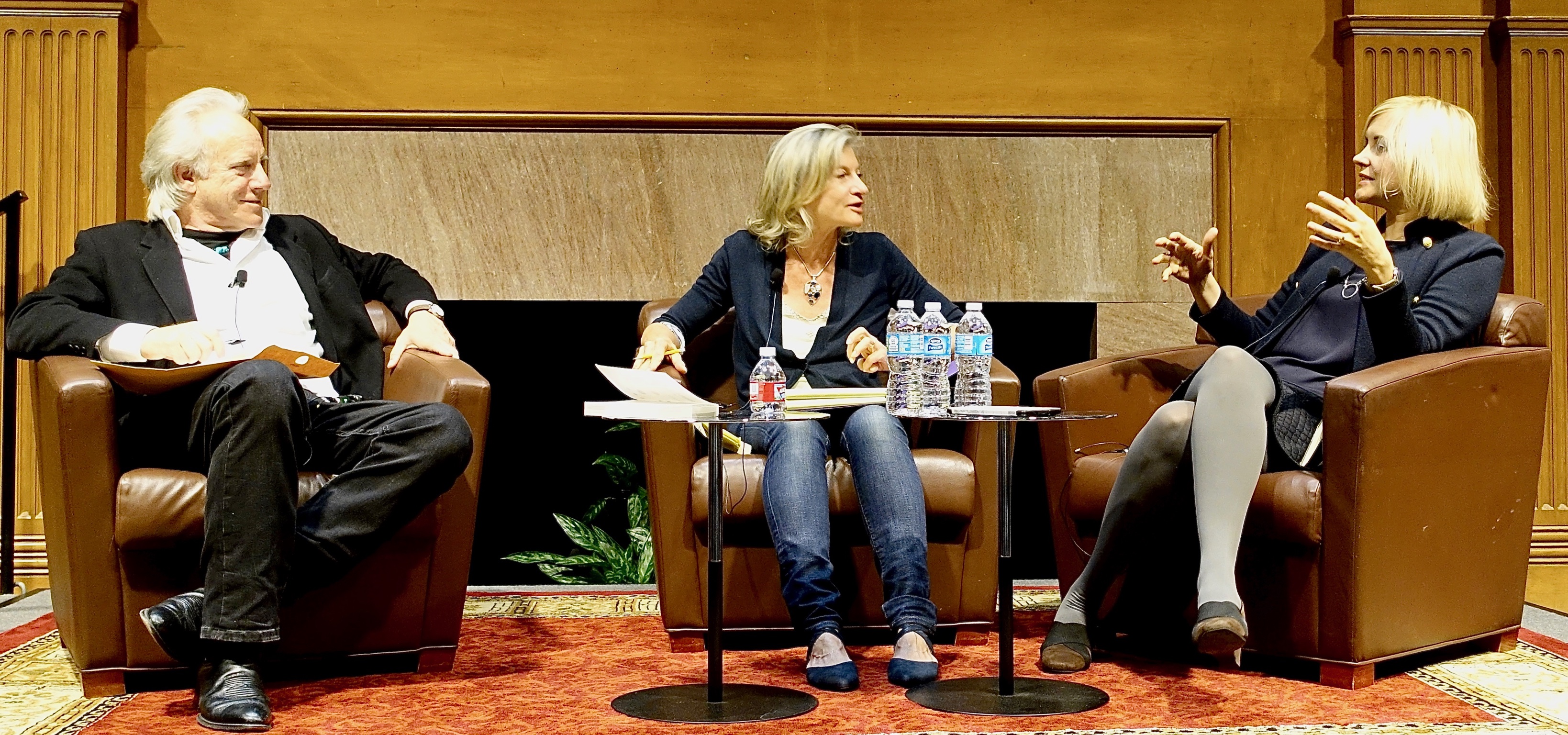
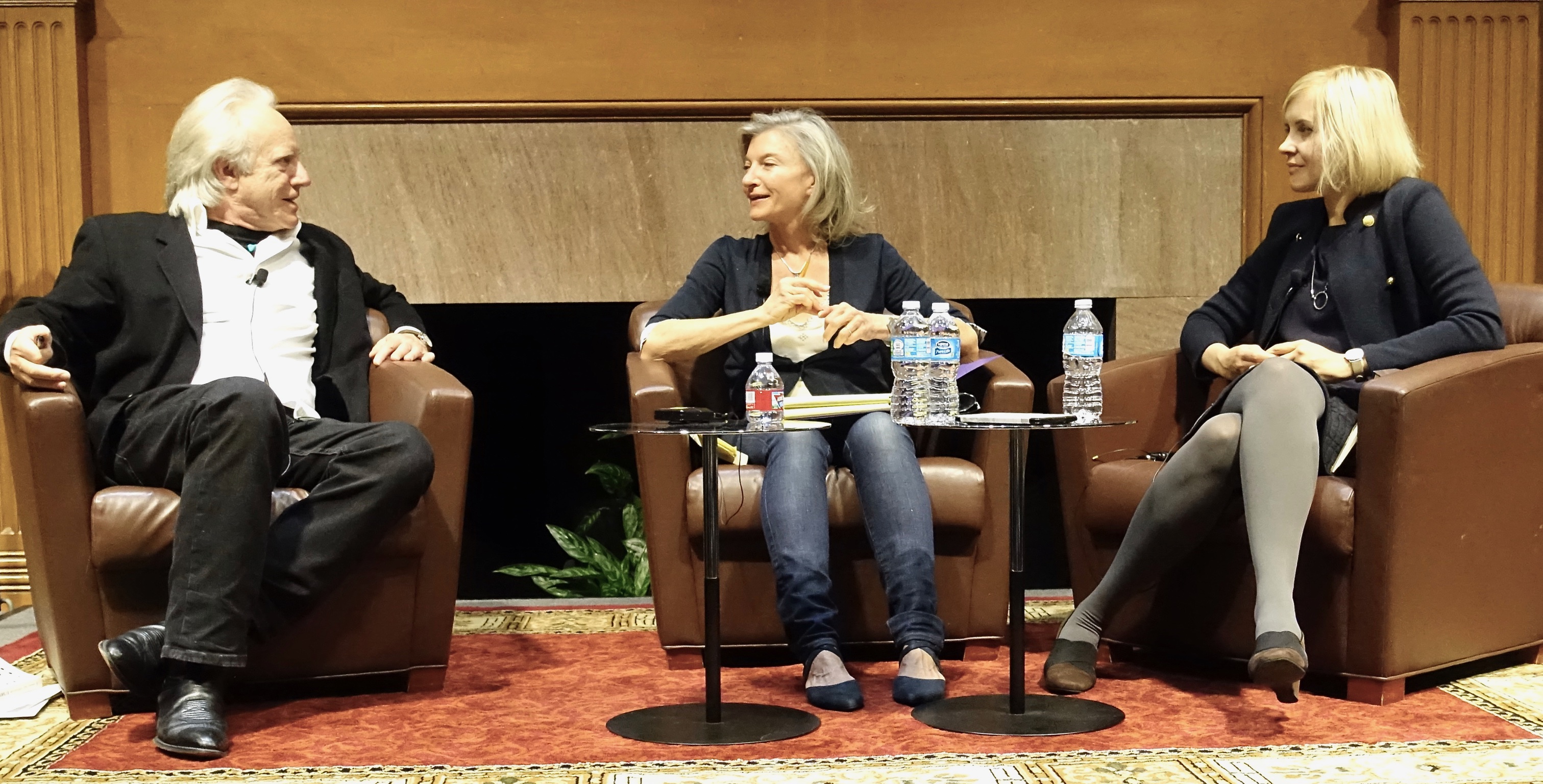
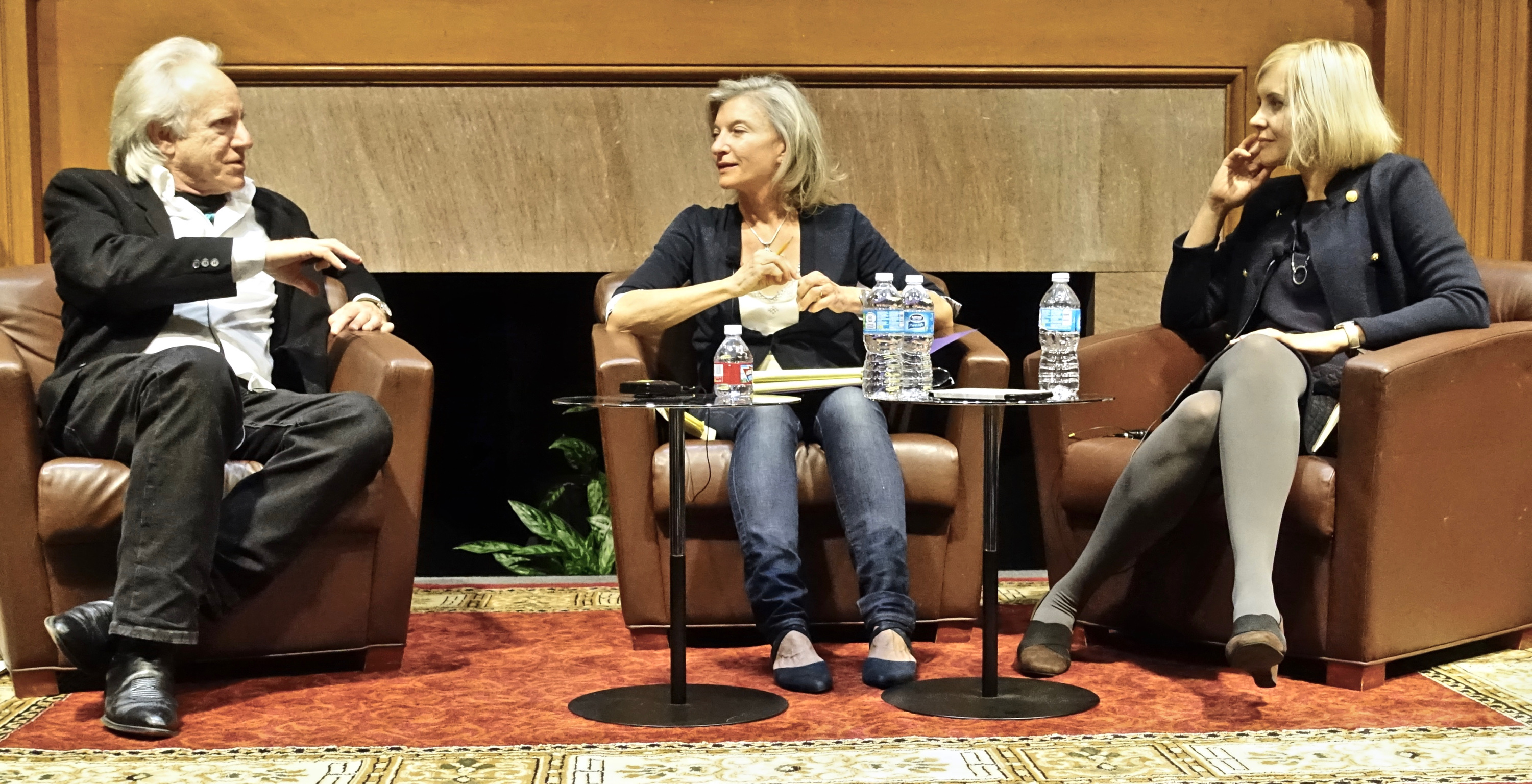
An overlooked classic? Robert Harrison, Monika Greenleaf, and Lena Herzog debate.

On a bright spring day in May, a surprising number of people skipped the pleasant weather to discuss Fyodor Dostoevsky‘s dark and comic novella, The Double. It was all part of Stanford’s Another Look book club. An eloquent panel made the case that the 1846 novella is one of the renowned Russian author’s forgotten classics.

The Double portrays the disintegration of a neurotic government clerk into two distinct entities – one toadying and nervous; the other self-assured, exploitative, and aggressive. Vladimir Nabokov, not usually a fan of Dostoevsky, called The Double “the best thing he ever wrote” and “a perfect work of art.”

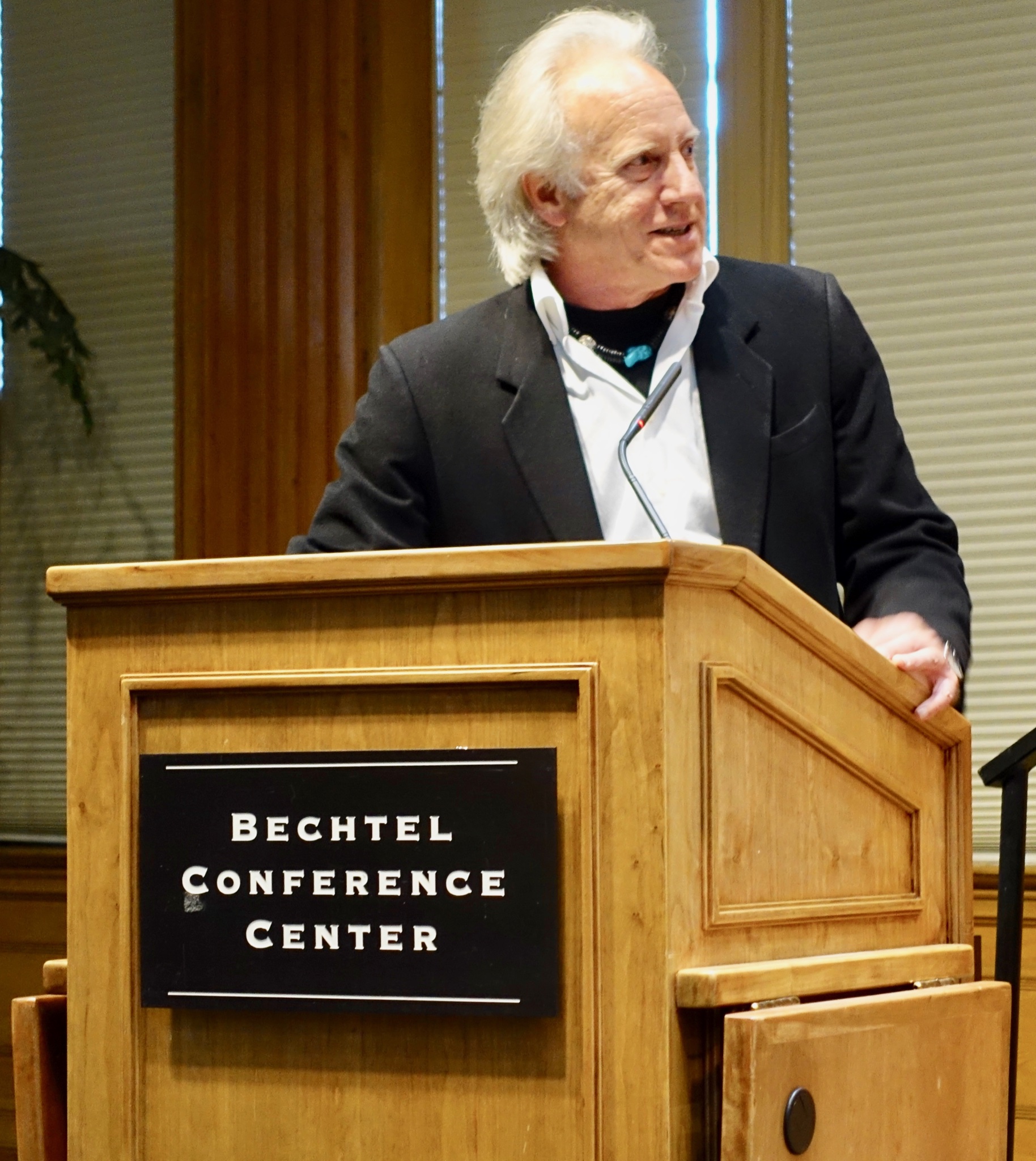
Another Look Director Robert Harrison

Russian photographer Lena Herzog joined us from Los Angeles. (Her husband Werner Herzog was an interlocutor for the Another Look event on J.A. Baker’s The Peregrine. I interviewed her at that time for Music & Literature here.)

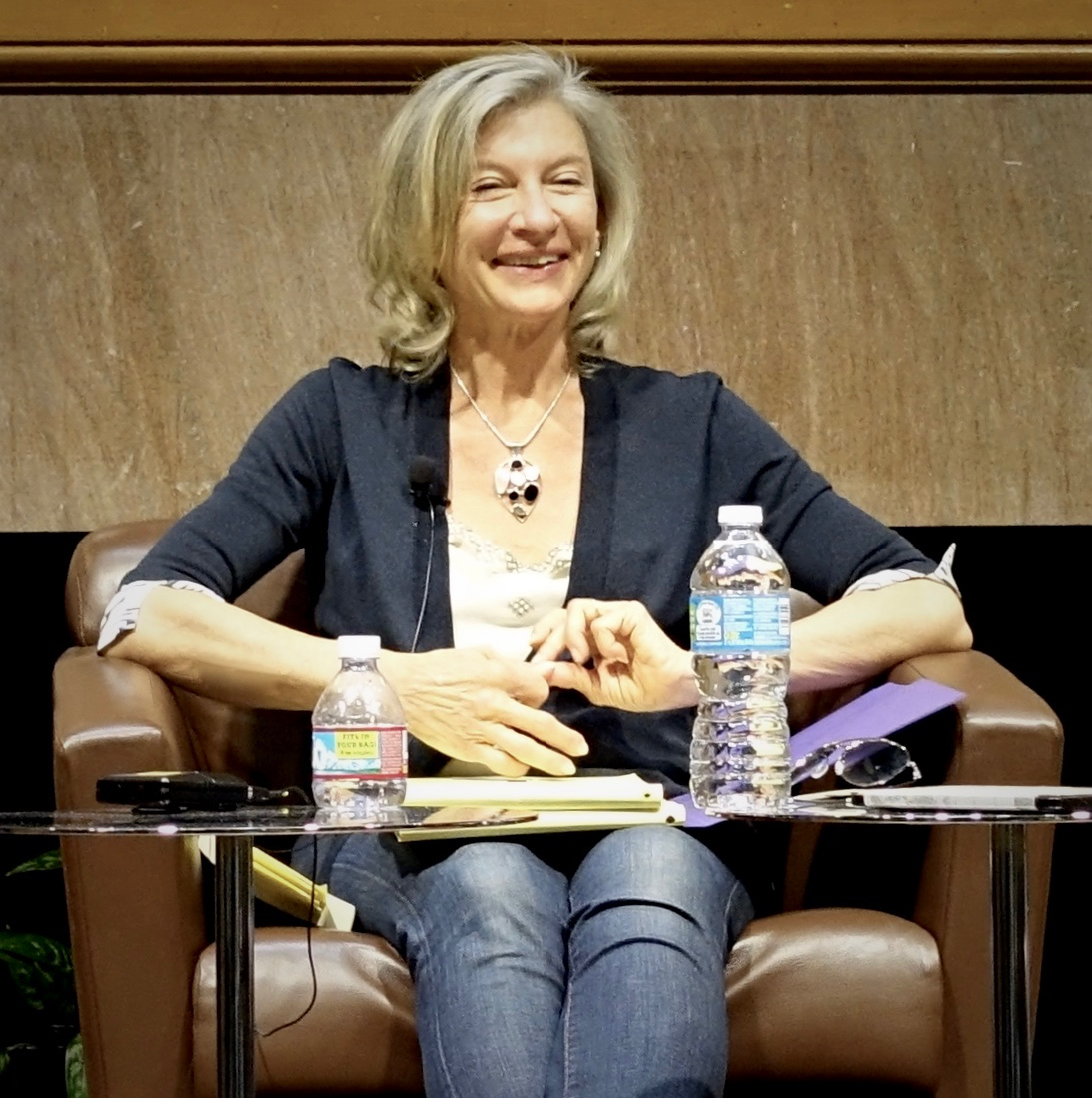
Acclaimed author Robert Pogue Harrison moderated the discussion. The Stanford professor writes regularly for The New York Review of Books and hosts the popular talk show, Entitled Opinions. He and Lena were joined by Monika Greenleaf, associate professor of Slavic languages and literatures. Monika was a panelist from our event on Joseph Conrad’s Shadow-Line, and some of you met Lena at our mega-event for The Peregrine.

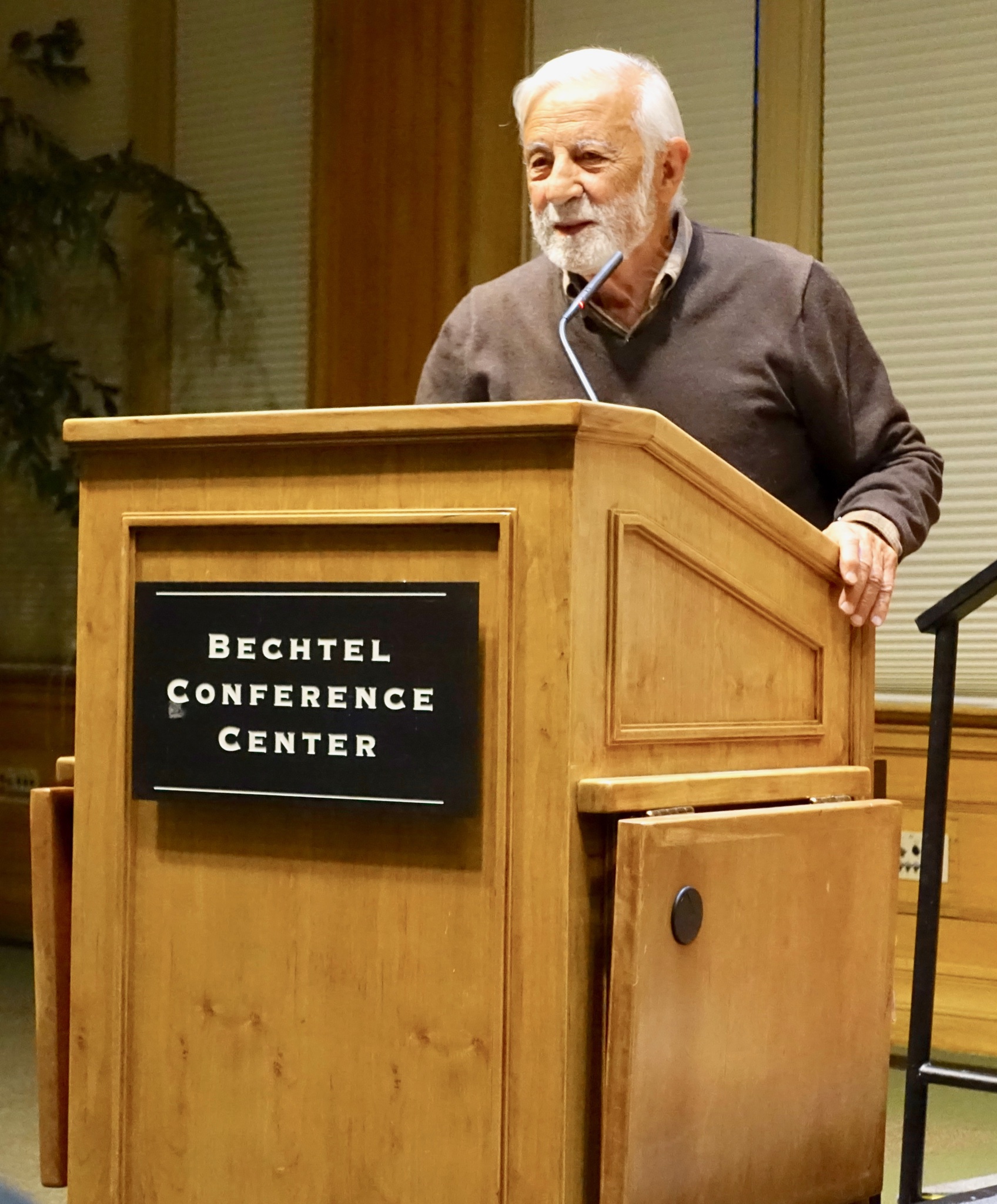
David Schwartz was our photographer for the occasion, and captured Lena in elegant black-and-white, and the others in color. A surprise for the evening was the eminent author and psychiatrist Herant Katchadourian, author of Guilt: The Bite of Conscience (he’s Emeritus Professor of Psychiatry and Human Biology at Stanford University), spoke for a few minutes to give a psychiatric evaluation of the novella’s protagonist, Yakov Petrovich Golyadkin.

The preeminent Dostoevsky scholar of our times, Stanford’s Joseph Frank, said of the novella: “the internal split between self-image and truth, between what a person wishes to believe about himself and what he really is – constitutes Dostoevsky’s first grasp of a character type that became his hallmark as a writer.” The Double marks a turning point in the life of the author. While the book owes a debt to Nikolai Gogol, the younger author moves beyond social critique to the psychological drama that would become his trademark in the great novels that followed.

It’s sad that Joe Frank, who died in 2013, couldn’t join us for the discussion. Fortunately, his widow, the mathematician Marguerite Frank, did.

You can listen to the podcast that includes all the voices here, including some very lively questions from our audience. All photos by Another Look fan David Schwartz (the top one is the good Doctor Katchadourian). We are always grateful for David’s presence at our events, and his camera!


Is it “the best thing he ever wrote”? Nabokov thought so. Join us for Dostoevsky’s The Double on Monday, May 15!

Share
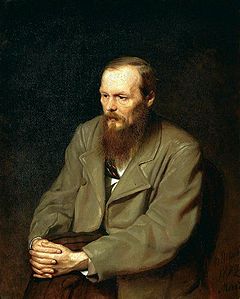
Dostoevskij_1872

He’s nervous. Very nervous. Be there.

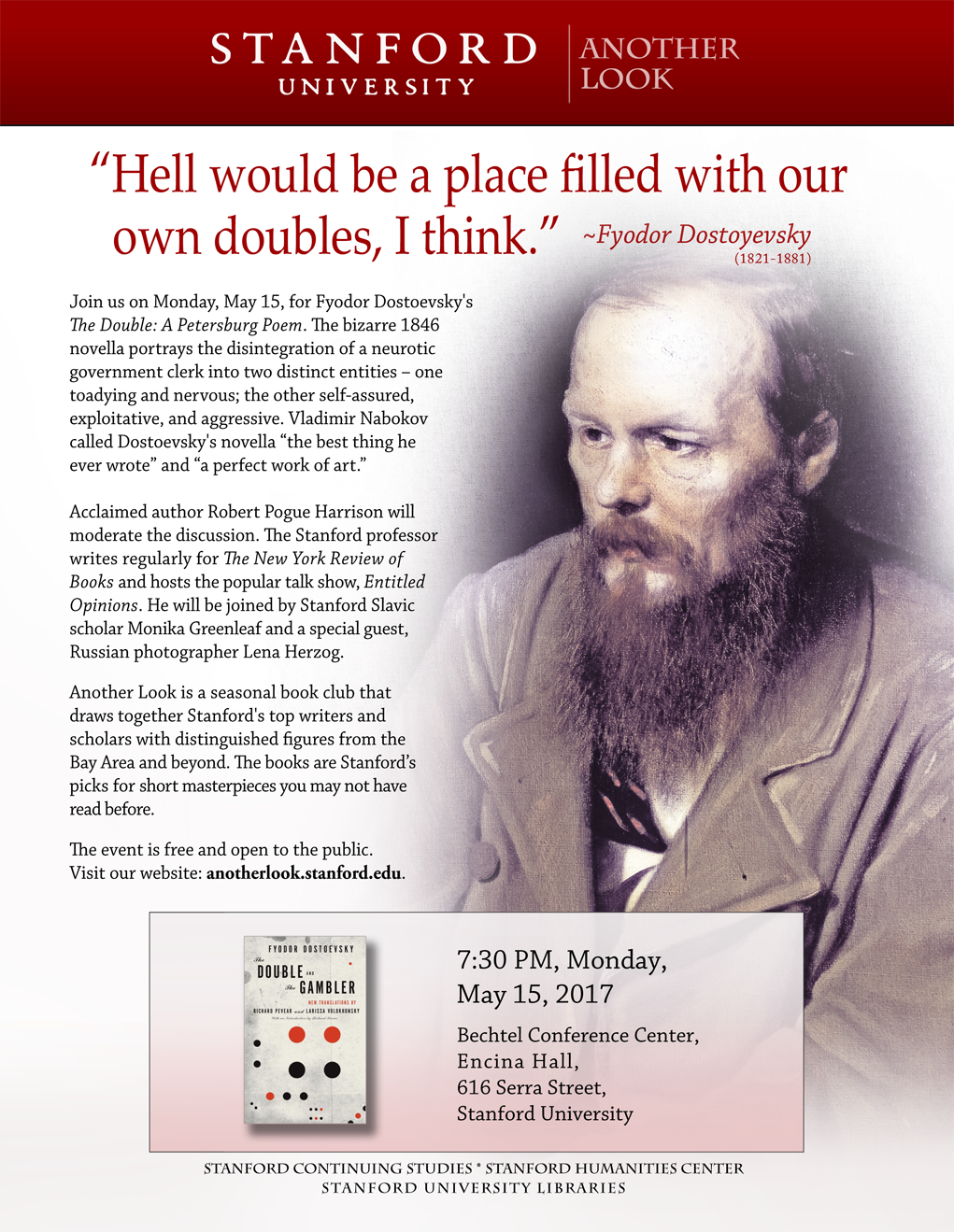
Our spring “Another Look” event at Stanford will discuss Fyodor Dostoevsky‘s The Double: A Petersburg Poem. The 1846 novella portrays the disintegration of a neurotic government clerk into two distinct entities – one toadying and nervous; the other self-assured, exploitative, and aggressive. Vladimir Nabokov, not usually a fan of Dostoevsky, called The Double “the best thing he ever wrote” and “a perfect work of art.” And so Another Look champions The Double as an overlooked masterpiece from a familiar author. It is our final event of the season.

We’ll have a special guest for the event: Russian photographer Lena Herzog will be joining us from Los Angeles. Some of you met Lena at our event with Werner Herzog for J.A. Baker’s The Peregrine. I interviewed her at that time for Music & Literature here. An excerpt, where she remembers moving to St. Petersburg as a teenager in 1986:

“Everybody wanted jeans, wanted to be a Westerner, but in the most superficial, shallow way. And yet it still was St. Petersburg. It still had walls and the canals that whispered with the voice of Dostoevsky. It still had culture and ideas and architecture. Saint Petersburg is such a beguiling city. … I loved to walk through the fog enveloping the cathedrals and canals, heart pounding, anticipating the gold-winged griffins on the Bank Bridge over the Griboyedov canal, which emerged from the fog as I walked past them.”

The discussion will take place at 7:30 p.m. on Monday, May 15, at the Bechtel Conference Center. We recommend the Vintage Classic edition, translated by Richard Pevear and Larissa Volokhonsky.

Acclaimed author Robert Pogue Harrison will moderate the discussion. The Stanford professor writes regularly for The New York Review of Books and hosts the popular talk show, Entitled Opinions. He and Lena will be joined by Monika Greenleaf, associate professor of Slavic languages and literatures. Many of you will remember Monika from our event on Joseph Conrad’s Shadow-Line, and some of you met Lena at our event with Werner Herzog for J.A. Baker‘s The Peregrine.

The preeminent Dostoevsky scholar of our times, Stanford’s Joseph Frank, said of the novella: “the internal split between self-image and truth, between what a person wishes to believe about himself and what he really is – constitutes Dostoevsky’s first grasp of a character type that became his hallmark as a writer.” The Double marks a turning point in the life of the author. While the book owes a debt to Nikolai Gogol, the younger author moves beyond social critique to the psychological drama that would become his trademark in the great novels that followed.


dostoyevsky-poster-EMAIL