
F. Scott Fitzgerald to wannabe writers: “Nothing any good isn’t hard.”

Share
fitzgerald-1921

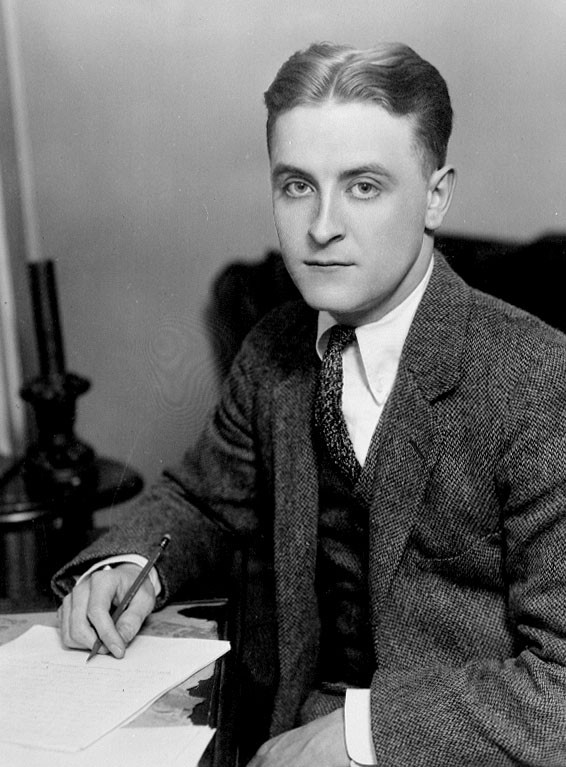
“You’ve got to sell your heart”: the author at 25.

It is a strange thing to write for a living. I’ve never really done anything else, since I was a teenager. And because I do it for a living, I write whether I feel like it or not. It has its good days and it has its bad. The last few weeks have been particularly grinding. So I found the blunt advice of F. Scott Fitzgerald, author of The Great Gatsbyto two young women writers of his acquaintance oddly bracing. “It is an awfully lonesome business,” he writes. And also, “Nothing any good isn’t hard.”

Letter #1 is to his to the daughter of a family friend, Frances Turnbull, a Radcliffe sophomore, who had sent the author a short story she had written. (You can read about the Turnbull home where famous writers visited, in an interview with her years later, here.) Letter #2 is to his own 15-year-old daughter, Frances Scott Fitzgerald. (She went on to write for The Washington Post and The New Yorker.)

The letters are from F. Scott Fitzgerald: A Life in Letters. (And thanks to Maria Popova at Brain Pickings for finding them three-and-a-half  years ago.)

LETTER #1

November 9, 1938

Dear Frances:

I’ve read the story carefully and, Frances, I’m afraid the price for doing professional work is a good deal higher than you are prepared to pay at present. You’ve got to sell your heart, your strongest reactions, not the little minor things that only touch you lightly, the little experiences that you might tell at dinner. This is especially true when you begin to write, when you have not yet developed the tricks of interesting people on paper, when you have none of the technique which it takes time to learn. When, in short, you have only your emotions to sell.

This is the experience of all writers. It was necessary for Dickens to put into Oliver Twist the child’s passionate resentment at being abused and starved that had haunted his whole childhood. Ernest Hemingway’s first stories ‘In Our Time’ went right down to the bottom of all that he had ever felt and known. In ‘This Side of Paradise’ I wrote about a love affair that was still bleeding as fresh as the skin wound on a haemophile.

The amateur, seeing how the professional having learned all that he’ll ever learn about writing can take a trivial thing such as the most superficial reactions of three uncharacterized girls and make it witty and charming—the amateur thinks he or she can do the same. But the amateur can only realize his ability to transfer his emotions to another person by some such desperate and radical expedient as tearing your first tragic love story out of your heart and putting it on pages for people to see.

That, anyhow, is the price of admission. Whether you are prepared to pay it or, whether it coincides or conflicts with your attitude on what is ‘nice’ is something for you to decide. But literature, even light literature, will accept nothing less from the neophyte. It is one of those professions that wants the ‘works.’ You wouldn’t be interested in a soldier who was only a little brave.

In the light of this, it doesn’t seem worth while to analyze why this story isn’t saleable but I am too fond of you to kid you along about it, as one tends to do at my age. If you ever decide to tell your stories, no one would be more interested than,

Your old friend,

F. Scott Fitzgerald

P.S. I might say that the writing is smooth and agreeable and some of the pages very apt and charming. You have talent—which is the equivalent of a soldier having the right physical qualifications for entering West Point.

LETTER #2

Grove Park Inn
Asheville, N.C.
October 20, 1936

Dearest Scottina:

… Don’t be a bit discouraged about your story not being tops. At the same time, I am not going to encourage you about it, because, after all, if you want to get into the big time, you have to have your own fences to jump and learn from experience. Nobody ever became a writer just by wanting to be one. If you have anything to say, anything you feel nobody has ever said before, you have got to feel it so desperately that you will find some way to say it that nobody has ever found before, so that the thing you have to say and the way of saying it blend as one matter—as indissolubly as if they were conceived together.

Let me preach again for one moment: I mean that what you have felt and thought will by itself invent a new style so that when people talk about style they are always a little astonished at the newness of it, because they think that is only style that they are talking about, when what they are talking about is the attempt to express a new idea with such force that it will have the originality of the thought. It is an awfully lonesome business, and as you know, I never wanted you to go into it, but if you are going into it at all I want you to go into it knowing the sort of things that took me years to learn. …

Nothing any good isn’t hard, and you know you have never been brought up soft, or are you quitting on me suddenly? Darling, you know I love you, and I expect you to live up absolutely to what I laid out for you in the beginning.

Scott
A Christmas Carol: Dickens and Nietzsche and Freud – oy vey!

Share

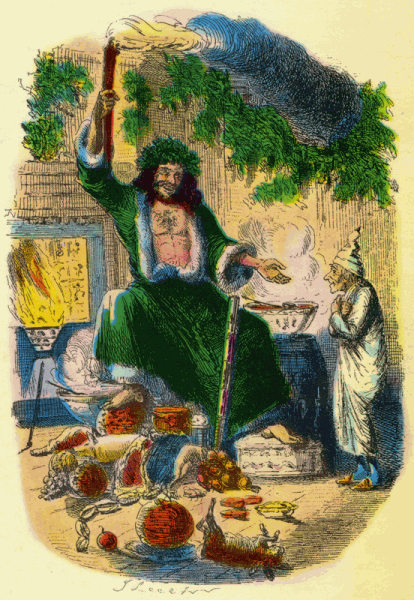
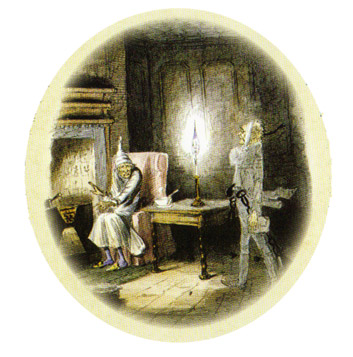
marleyWhat better way to celebrate Christmas than with a secular Turkish-American writer discussing Charles Dickens‘s A Christmas Carol, in light of modern (Jewish) Freudian psychotherapy?
Elif Batuman tried explaining the relationship of the book to her therapist, but he didn’t get it: “The Ghost [of Christmas Past] in particular reminded me of someone, with his kindness and spookiness, the way he said almost nothing, except to repeat back to Scrooge his own remarks. A few days later, I figured it out, and told my therapist: the Ghost reminded me of him. He didn’t reply, only smiled gently, in a way that I interpreted to mean, ‘I’m an Israeli Freudian, please don’t make me talk about A Christmas Carol.'”

She explains:

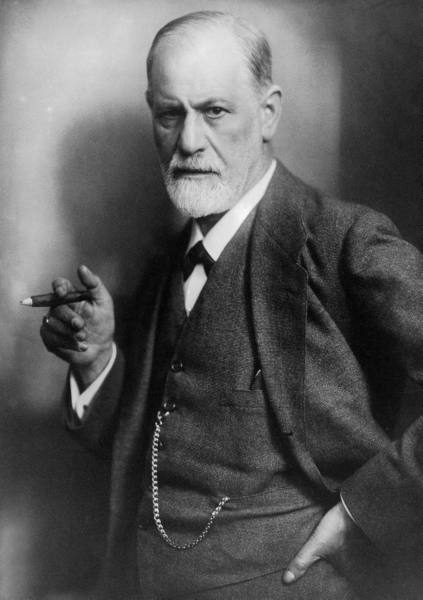
At first, it seemed strange to me that such a Jewish discourse should be anticipated so plainly by a Christmas story—one written a decade before Freud was born. But when I thought about it more, it started to seem less strange. Freud read and admired Dickens; his first gift to his fiancée, in 1882, was a copy of David Copperfield. Why wouldn’t he have read A Christmas Carol, which is so much shorter? O.K., he was Jewish, but he was secular. He had a Christmas tree. When I was little, my parents also bought a tree every year, and we would put presents under it, and it was a little bit magical, even though we weren’t Christian. Wasn’t that a big part of Freudianism: that magic is often displaced, but never destroyed?

Sigmund_Freud

Was he just recycling Dickens?

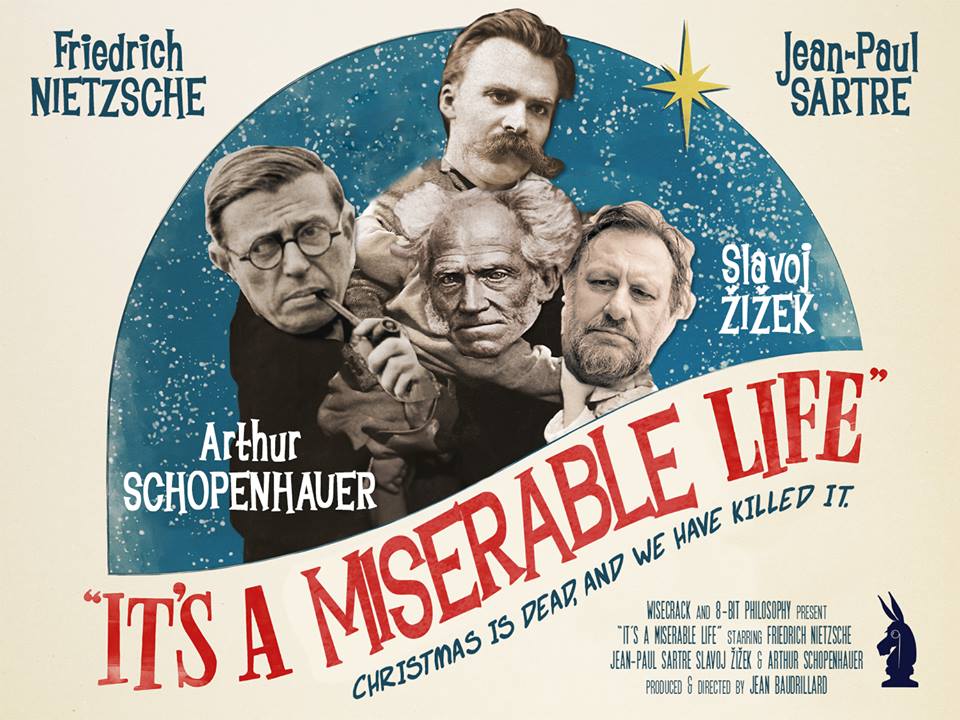
Read the “The Ghosts of Christmas: Was Scrooge the First Psychotherapy Patient?” in the New Yorker here. She describes the darker side of Christmas and Dickens’s dystopian world, but some argue that the classic Christmas story It’s a Wonderful Life does the same thing. According to Wendell Jamieson of the New York Times, the movie portrays “a terrifying, asphyxiating story about growing up and relinquishing your dreams, of seeing your father driven to the grave before his time, of living among bitter, small-minded people. It is a story of being trapped, of compromising, of watching others move ahead and away, of becoming so filled with rage that you verbally abuse your children, their teacher and your oppressively perfect wife. It is also a nightmare account of an endless home renovation.” Well, we wrote about that a few Christmases ago here. This theme was picked up in the mock poster below, which is making the Facebook rounds.

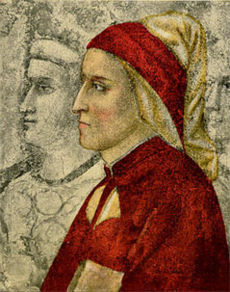
Dante_Giotto

Was Dickens just recycling him?

On the other hand, was A Christmas Carol as a Victorian spin on Dante Alighieri’s much older tale?

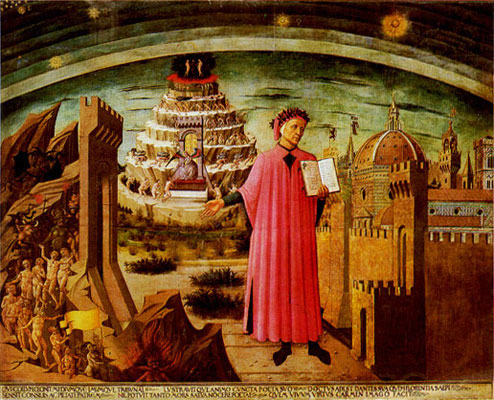
“First of all, both main characters begin in a dark wood—vividly illustrated as such in the Comedy and similarly rendered in chimney tops, alleyways, and dense fog in the Carol. The Pilgrim and the Miser have lost their way. Hence, they are taken on a mystical journey for the sake of their reclamation: Dante through Hell, Purgatory, & Heaven; Scrooge through the Past, Present, and Future. The three beasts that Dante meets before his journey begins (leopard, lion, and wolf) function similarly to the omens that Scrooge encounters on Christmas Eve: the hearse, the transformed door-knocker, the ringing bell.”

Read more about that here.

Whatever spin you put on the day, the Book Haven wishes you a Merry Christmas!

miserablelife

Medieval plays in modern times: Dickens, Dante, and La Pastorela

Share
elteatro

El Teatro Campesino’s “La Pastorela” (Photo: Lora Schraft/Morgan Hill Times)

Once a year our family, or various subsets of it, makes the trek to the town of San Juan Bautista to see El Teatro Campesino’s annual Christmas play. This year it was La Pastorela. Here’s the cool part:  it’s part of an ancient tradition of pastorelas, or shepherds’ plays, introduced into Mexico by Spanish monks centuries ago.  The program notes described its relationship vis-à-vis the medieval morality plays: “there are vague similarities betwen the Mexican and old English traditions, the Wakefield master’s version is more decidedly irreverant.”

The ghost of Christmas forever.

The first production took place in 1966, when the company, which was born in Cesar Chavez‘s historic grape strike, improvised before a live audience in a Christmas Eve performance with farm-workers as performers. Then, in 1976, after artistic director Luis Valedez relocated the group to the mission town south of San Jose, the company received an old dog-eared typed manuscript of La Pastorela from the mother of one of the young performers. Longina Montoya offered the company the script she had performed as a girl in her hometown of San Luis Potosi, Mexico, and she sang all the songs a cappella into a portable tape recorder. A tradition was reborn (see photos here). So now in Silicon Valley we have an opportunity to taste the medieval, via these old morality plays, often bawdy and funny, where good meets evil and good inevitably triumphs. Could there be more?  Yes!

I’ve never seen anyone link Dante and Charles Dickens  before, but over at the blog “Through a Glass Brightly,” blogger Kathryn (she doesn’t seem to have a last name)  finds a few parallels. Did Dickens, in fact, write a medieval morality play?  And was he inspired by Dante?  The evidence is intriguing.  Dickens may have written A Christmas Carol while he was touring Italy, where the Florentine poet is inescapable. She pulls together a few parallels:

First of all, both main characters begin in a dark wood—vividly illustrated as such in the Comedy and similarly rendered in chimney tops, alleyways, and dense fog in the Carol. The Pilgrim and the Miser have lost their way. Hence, they are taken on a mystical journey for the sake of their reclamation: Dante through Hell, Purgatory, & Heaven; Scrooge through the Past, Present, and Future. The three beasts that Dante meets before his journey begins (leopard, lion, and wolf) function similarly to the omens that Scrooge encounters on Christmas Eve: the hearse, the transformed door-knocker, the ringing bell. And when Dante first meets Virgil, the lines run,

dickensAnd when I saw him standing in this wasteland, “Have pity on my soul,” I cried to him, “whichever you are, shade or living man!” “No longer living man, though once I was,” […]

Virgil explains to Dante:

“But you must journey down another road,” he answered, when he saw me lost in tears, “if ever you hope to leave this wilderness; […]”

Likewise (though in the third person), Marley’s visit to Scrooge goes,

“How now!” said Scrooge, caustic and cold as ever. “What do you want with me?” “Much!” — Marley’s voice, no doubt about it. “Who are you?” “Ask me who I was.” “Who were you then?”  said Scrooge, raising his voice.  “You’re particular, for a shade.”

Her conclusion finds inevitable differences in the spirit of medieval Italy and the spirit of Victorian England: “The Comedy is headed for brightness, aiming at ecstasy—much like the natural world does as it blossoms into spring at Easter. But the Carol turns in from the cold, burrows into warm hearth and good wine and loud laughter.”  Read the rest here. Meanwhile, the BBC offers another possibility for the origins of A Christmas Carol in one of Dickens’s least-read books, The Uncommercial Traveller:

marley“There was a man who, though not more than thirty, had seen the world in divers irreconcilable capacities – had been an officer in a South American regiment among other odd things – but had not achieved much in any way of life, and was in debt, and in hiding. He occupied chambers of the dreariest nature in Lyons Inn; his name, however, was not up on the door, or door-post, but in lieu of it stood the name of a friend who had died in the chambers, and had given him the furniture. The story arose out of the furniture… “

The story Dickens goes on to tell recounts how the failed adventurer finds a heap of old furniture in the cellar of his lodgings. Finding his rooms bare and cheerless, he borrows a writing-table, then a bookcase, then a couch and a rug, and soon has all of the furniture in his chambers. Some years later there is a knock on his door. A tall, red-nosed shabby-genteel man in a threadbare black coat enters the room and, pointing to each item of furniture, mutters: “Mine”.

Read the rest here.

christmas-carolPostscript:  And here’s yet another unusual take on A Christmas Carol, by the remarkable Morgan Meis, writing in The Smart Set a few years back.  He contends “A Christmas Carol isn’t great because it’s a great story. In fact, A Christmas Carol is a flimsy story. The characters are mostly clichés.” He argues for a different assessment of its greatness: “Later in the story, at the appearance of the first spirit, Dickens describes what happens as the ghost approaches Scrooge in his bed. ‘The curtains of his bed were drawn aside; and Scrooge, starting up into a half-recumbent attitude, found himself face to face with the unearthly visitor who drew them: as close to it as I am now to you, and I am standing in the spirit at your elbow.’ The remarkable thing here is not so much that a ghost appeared to Scrooge but that Dickens himself is a ghost appearing to us. Dickens’ authorial voice does come directly into our heads at that moment. In this, the joy of writing becomes the very substance and content of the story. Almost no writer gets away with this kind of playfulness very often. Dickens gets away with it all the time. And A Christmas Carol is utterly charmless without that extra element, without Dickens constantly nipping at the heels of his own story. It makes me think that we ought to reconsider Dickens, to see him more in the light of a Lawrence Sterne than in the light of the straight shooters of 19th-century novel writing.” Read the whole thing here.

Hitting the road with Charles Dickens and A Christmas Carol

Share

christmas-carolDickens-lover John Hennessy (also known as Stanford University’s president) told us some time ago that he reread A Christmas Carol at this time of year. Perhaps we’ll join him – certainly it’s short enough.  My little facsimile of the first edition is a double-spaced 166 pages long (at right).

It was the first book Charles Dickens took to the road for his famous readings, which made a killing in the U.S.  His second American tour raked in the equivalent of $2.3 million in today’s dollars. People camped out in the snow the night before to hear it – it was the 19th-century version of Black Friday sales at Walmart.

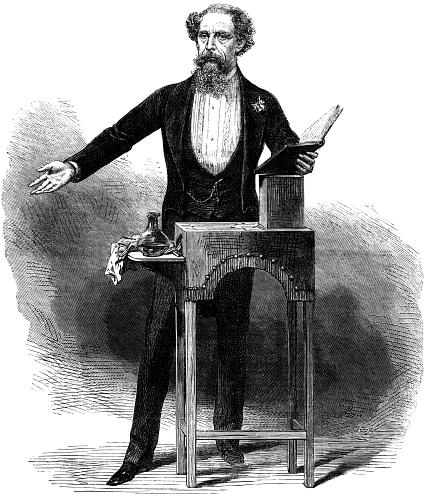
During that 1867 tour, the 32-year-old Mark Twain was in the audience, and was distinctly unimpressed.  Here’s how he described the “old” (55 years old) writer’s entrance:

Promptly at 8 P.M., unannounced, and without waiting for any stamping or clapping of hands to call him out, a tall, “spry,” (if I may say it,) thin-legged old gentleman, gotten up regardless of expense, especially as to shirt-front and diamonds, with a bright red flower in his button-hole, gray beard and moustache, bald head, and with side hair brushed fiercely and tempestuously forward, as if its owner were sweeping down before a gale of wind, the very Dickens came! He did not emerge upon the stage – that is rather too deliberate a word – he strode.

dickens2

Hamming it up

The verdict? “There is no heart,” he said. “No feeling – it is nothing but glittering frostwork.”

Dickens was renowned for his theatrical readings.  Here’s how he prepared:  two tablespoons of rum mixed with cream for breakfast, a pint of champagne for tea and, half an hour prior to performance, he would knock back a sherry with a raw egg beaten into it. During the interval of his reading he would sip beef tea, and at bedtime he’d have a bowl of soup – just like Ebenezer… or was that porridge?  I’ll have to reread and find out.

Dickens’ first public reading was A Christmas Carol, and it was also his last.  His son recorded his last words to a London audience in March 1870 (springtime is not the usual time for reading A Christmas Carol): “…from these garish lights I vanish now for evermore, with one heartfelt, grateful, respectful, and affectionate farewell.”

On performance days, Dickens would prep with two tablespoons of rum mixed with cream for breakfast, a pint of champagne for tea and, half an hour before he went on stage, he would knock back a sherry with a raw egg beaten into it. During the interval of his reading he would sip beef tea, and at bedtime he’d have a bowl of soup … just like Ebenezer … or was that porridge? We’ll have to doublecheck.

Just as Dickens’ first public reading was of A Christmas Carol, so was his last – an uncharacteristic springtime reading of A Christmas Carol in March 1870. His son recorded his final, admittedly hammy, words to the audience: “…from these garish lights I vanish now for evermore, with one heartfelt, grateful, and affectionate farewell.”

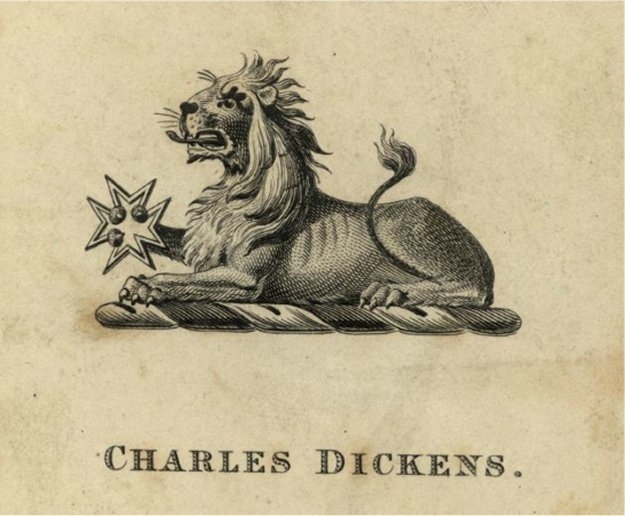
How do I know all this stuff?  You can read this and more little-known facts about the Christmas classic over at Mental Floss here.  And below is the bestest Christmas Carol ever, the 1951 version with Alaistair Sim.  And below that, Dickens’s distinctive bookplate.  Just because we like lions.

bookplate3-dickens


John Hennessy likes big fat books.

Share
literature_hennessy-1

Love’s much better, the second time around: Stanford prez on the joy of rereading books. (Photo: L.A. Cicero)

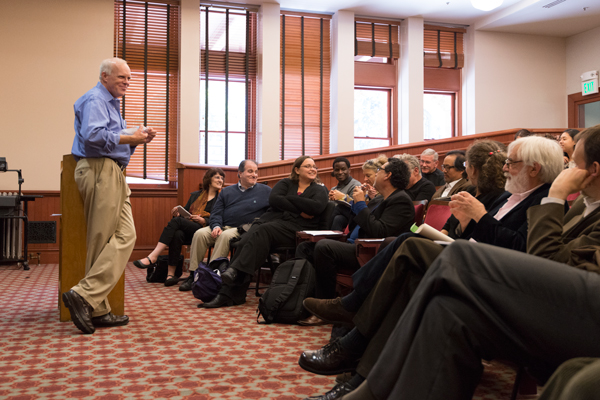
Stanford prez John Hennessy is famously techie, right?  Here’s the surprise: the former computer scientist also likes ploughing through the big-hearted, super-retro, thousand-page classics of the 19th century. “I like sagas, a big story plus decades,” he confessed to a good-sized crowd at Piggott Hall last week during an exuberant, free-wheeling talk on “Why I Read Great Literature.”  You know the books he means: the kind that gets turned into a year’s worth of BBC Masterpiece Theatre viewing.

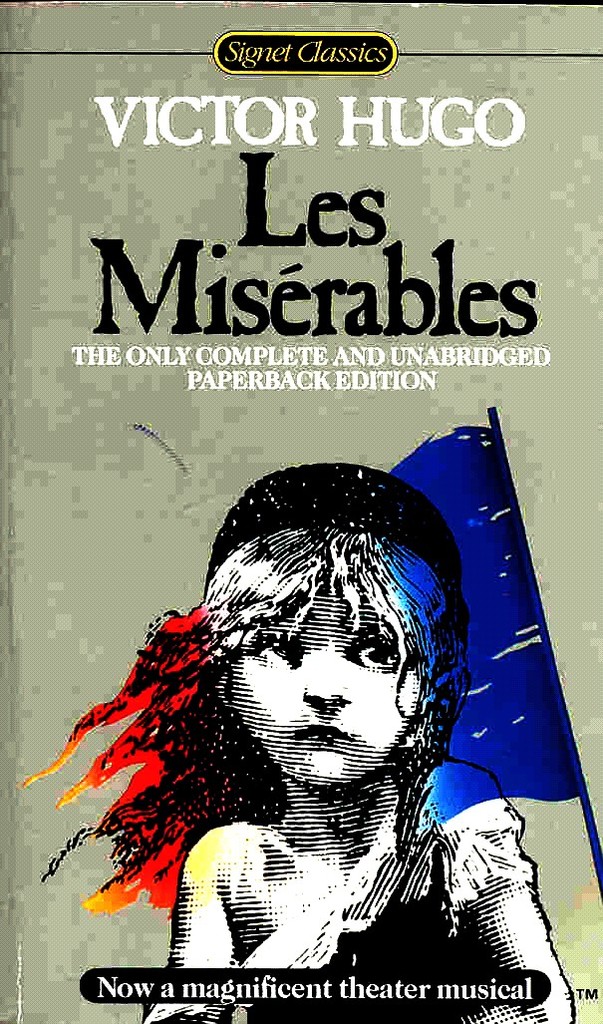
les_miserables_bookHe’s clearly a man after my own heart – he singled out Victor Hugo‘s Les Miserables for particular praise, saying that he’s read the whole shebang several times. This is comforting to me personally, after watching René Girard, that anti-romantic sage and immortel, politely squelch a smirk when I told him of my childhood adoration of the book.

For Hennessy, an apparent turning point in his reading tastes occurred the summer before he entered high school – an over-the-vacation reading assignment that somewhat parallels Stanford’s Three Books program.  Clearly one of the books took hold of his imagination:  he’s read Charles Dickens‘s A Tale of Two Cities several times since.  And although he wasn’t up to reciting the magnificent 118-word opening sentence last week, he did refer to it: “It was the best of times, it was the worst of times, it was the age of wisdom, it was the age of foolishness, it was the epoch of belief, it was the epoch of incredulity, it was the season of Light, it was the season of Darkness, it was the spring of hope, it was the winter of despair, we had everything before us, we had nothing before us, we were all going direct to Heaven, we were all going direct the other way – in short, the period was so far like the present period, that some of its noisiest authorities insisted on its being received, for good or for evil, in the superlative degree of comparison only.”

How many books are enclosed by an immortal first and last sentence? Hennessy had better luck reciting the the famous close:  “It is a far, far better thing that I do, than I have ever done; it is a far, far better rest that I go to than I have ever known.”

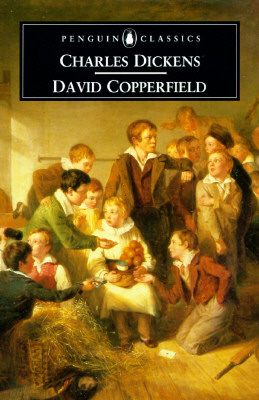
copperfieldDickens “has proven enough times that I could read anything he writes,” said Hennessy. “He grapples with Victorian England, social injustices, a system that obviously tramples on people.”  As for nasty schoolmaster Squeers, in Nicholas Nickleby: “If I ever met him, I would be forced to shoot him,” said Hennessy.  These books ask, he said, “How would I have approached that situation? What would I have done?”  Now we know. Hennessy would be compelled to commit homicide.  Fortunately, fortunately, Squeers must have died in Australia at least a century ago, presumably of natural causes.

Hennessy’s love for Dickens includes the worthy chestnut A Christmas Carol, which he rereads during the holiday season. As for David Copperfield, he gleefully quoted Mr. McCawber; apparently it’s one of his favorite lines: “Annual income twenty pounds, annual expenditure nineteen [pounds] nineteen [shillings] and six [pence], result happiness. Annual income twenty pounds, annual expenditure twenty pounds ought and six, result misery.” Well, that’s the techie in him.  Throughout the talk he kept presenting numbered lists of thoughts – he likes counting.  I always wonder how you know that, when you say you have five points to make, it’s going to stay five points, and not meander into seven.  Or you’ll forget one and have only four left.  He seems to be good at keeping track.

Like many a young ‘un, he was frogmarched to the great classics.  Some books are not wise choices for teenage boys – Fyodor Dostoevsky’s Crime and Punishment, for example. “I wasn’t up to it. It was too deep, too much angst to it. High school angst is different.”

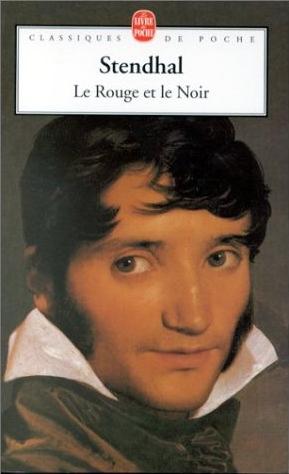
stendhal_5136“An author I was tortured by in high school was Edith Wharton,” he recalled pensively.  The inevitable high-school staple, Ethan Frome – it’s mercifully short, after all – was “not the right book for high school guys.”  What kid wants to read a tragic story of wasted lives?  They say love is much better the second time around – so it seems with these reheated feasts.  He’s warmed to Henry James, too, despite a premature exposure to “Turn of the Screw.”

I couldn’t agree more with his overall point, but I think the first exposure, however flawed, is important.  I’ve just rediscovered Stendhal in a big way after reading it in high school and finding it a little too cold-edged and cynical for my delicate teenage sensibilities.  It didn’t help that the class was reading it, for the most part, in French (we all cheated and found translations, of course – I now find it amusing that we thought Mademoiselle Vance didn’t expect us to do this). René Girard definitely approves of this late-life conversion to Stendhal.  I’ll have to have another go at Rabelais now, too.  These classics, reread at ten-year intervals, resonate within us at different layers of experience, but you do need a prime coat.

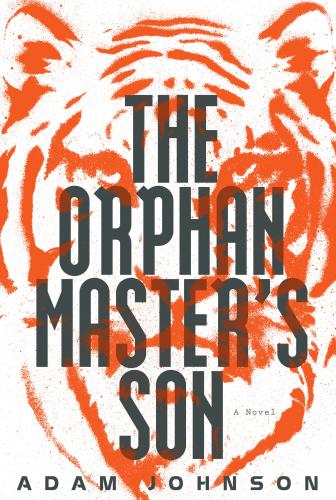
Hennessy’s passion is not restricted to Golden Oldies, or reheated feasts from early class assignments – he included some more recent fare in his endless list.  “Sometimes fiction is better at telling a story than non-fiction,” he said, citing this year’s Pulitzer prizewinning book, The Orphan Master’s Son by Adam Johnson (we’ve written about it here and here and here and, oh, lots of other places).  He also cited Arundhati Roy‘s The God of Small Things and Aravind Adiga‘s White Tiger, which helped prepare him for trips to India a few years ago.  Where does he get the time? Clearly, he doesn’t watch TV – I wrote about that here.

Orphan_Master_s_SonSepp Gumbrecht, author of In Praise of Athletic Beauty, offered what he called “the biggest compliment” to Hennessy: “I did not anticipate half an hour when I would not think about football.”  He praised Hennessy for taking a firm departure from clever literary theory and speaking with “unbridled and deliberately naïve enthusiasm” about books.  He noted the words and phrases Hennessy used most frequently in his talk (apparently, he was counting, too, which would certainly keep his mind off football):  1) redemption, redeeming; 2) tragedy, justice; 3) sacrifice, vengeance.  It doesn’t get better than this, does it?

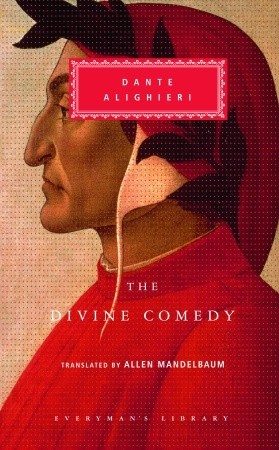
divinecomedyWell yes, it does. Hennessy didn’t forget the slash-and-burn, blood-and-guts classics, Homer’s Iliad and Dante’s Inferno.

And what does he read at the end of the day, before bedtime?  “Junk,” he said.  Just like the rest of us.

He escaped by a side door during the refreshments – but not before George Brown and I pleaded with him to reconsider the Purgatorio, the only book in the Divine Comedy where time counts for something – which it did for Hennessy, too, clearly, as he rushed to his next appointment.

***

(Photo above has a gaggle of professors – the contemplative head-on-hand at far right belongs to Josh Landy.  Next to him with the snowy beard is Grisha Freidin.  The ponytail at his right belongs to Gabriella Safran.  Next to her (if you leap an aisle) is David Palumbo-Liu in black glasses, and the half-head to his right belongs to Sepp.  Humble Moi at far left with the black Mary Janes.  Many thanks for the excellent photography from Linda Cicero, which has often graced this site.)


Bookplate mania, forever and ever

Share

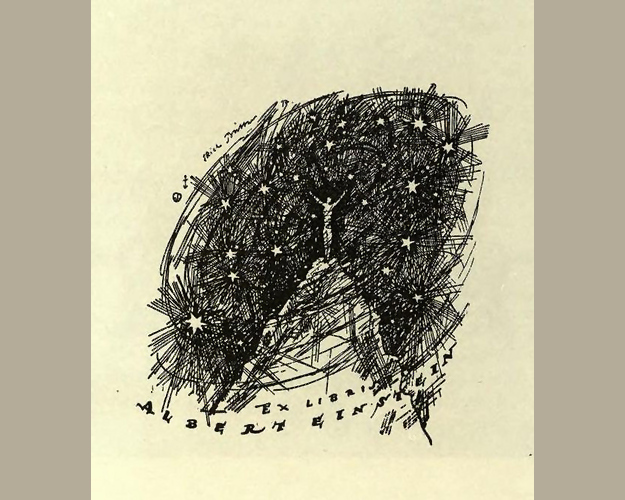
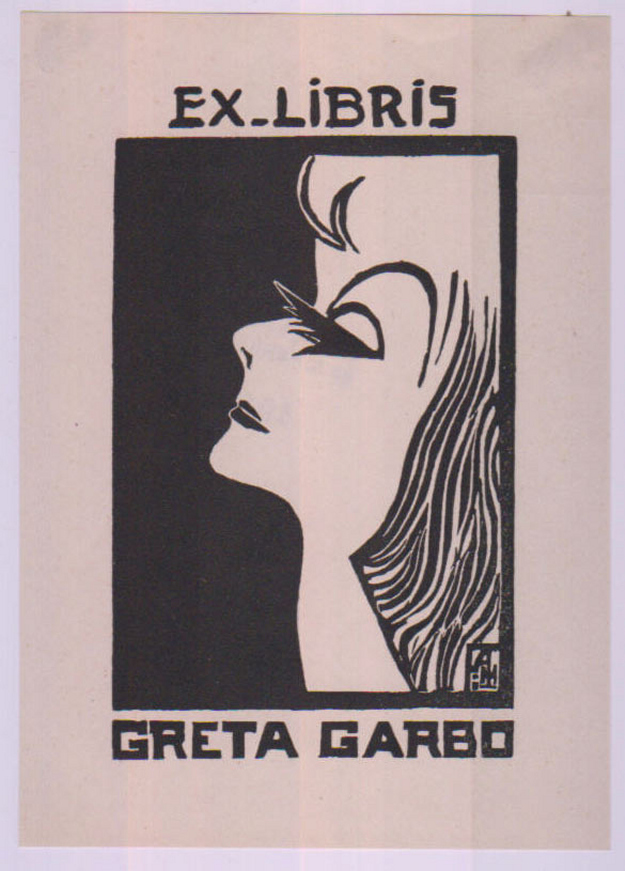
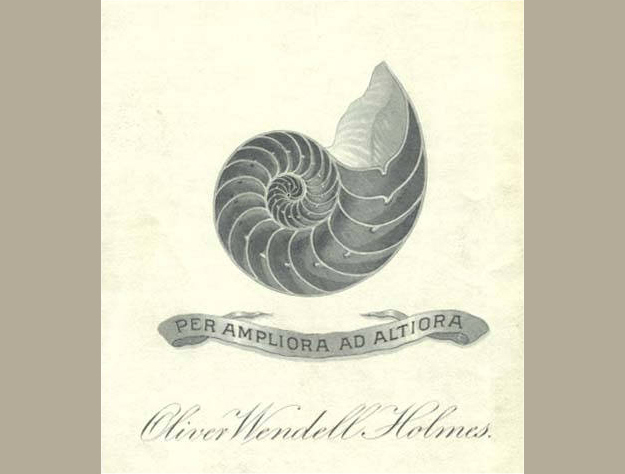
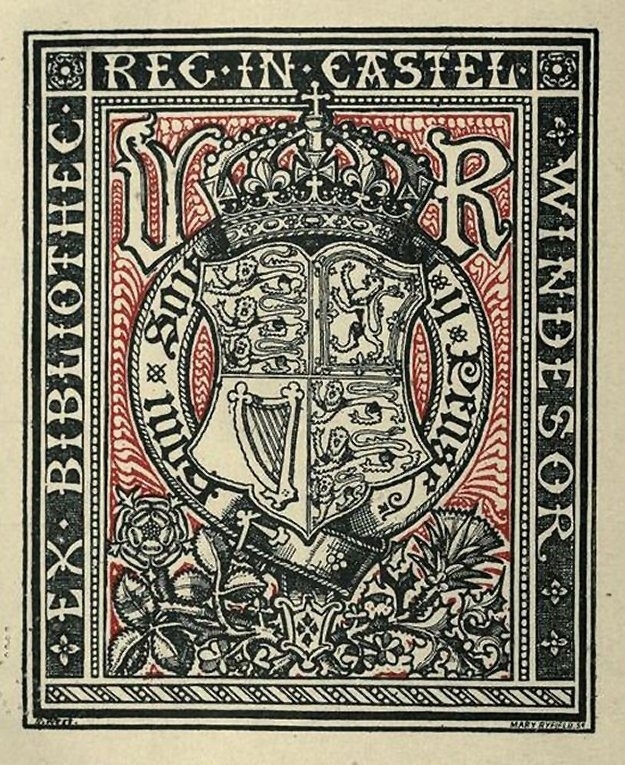
Over at Buzzfeed … bookplates of famous people.  Hard to make a choice among the cosmic, the tasteful, the vulgar, the odd, the obvious, the outré – but here goes.

The cosmic… Albert Einstein

bookplate1

The unexpected … Bette Davis

bookplate2

The self-aggrandizing… Greta Garbo

bookplate-garbo

The elegant (with such a name, how could it be otherwise?) … Oliver Wendell Holmes

bookplate-holmes

Because she’s the Queen … Victoria

bookplate-victoria

Because we love lions… Charles Dickens

bookplate3-dickens

Check out the bookplates of Benito Mussolini, Woodrow Wilson, H.G. Wells, William Butler Yeats, Maurice Sendak, and many others here.