
So long see you tomorrow, Toby! An evening of Camus, crowds, and many fond farewells.

Share


camus5

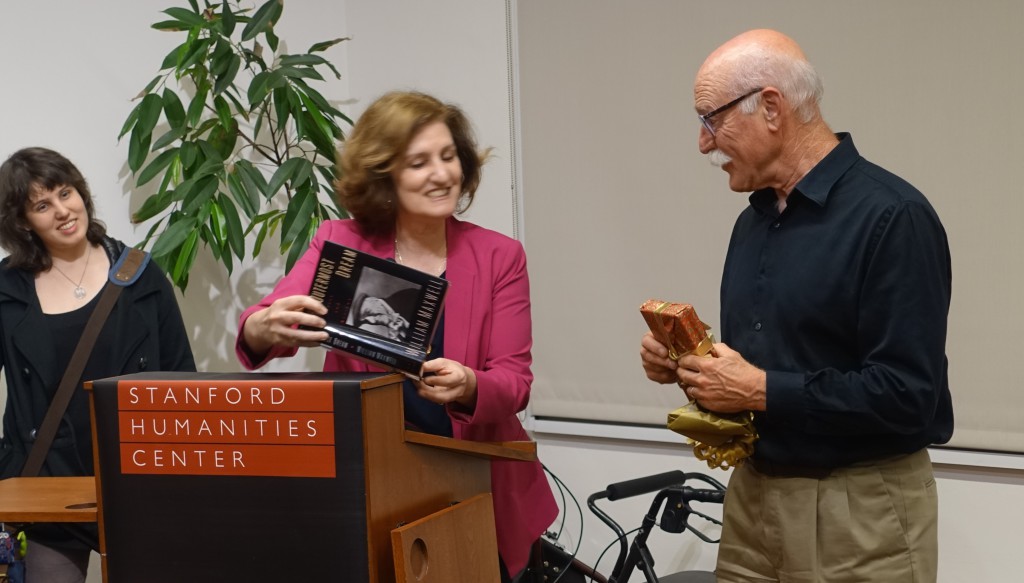
I present some surprises to Toby. Another Look’s graphic designer Zoë Patrick at left. (Photo: David Schwartz)

Stanford’s Another Look book club was born of one man’s love for a short novel – that is, acclaimed author Tobias Wolff‘s love of William Maxwells So Long See You Tomorrow, which became the first book discussed in the three-year series. He wanted to share the book not just with colleagues, but the the world. He called Another Look “a gift to the community.” (We’ve written about it here and here and here and a zillion other places). So it was fitting that we concluded the era Toby’s directorship with a Maxwell tribute. Why “see you tomorrow”? Because he’s not going far. He’s simply beginning his well-earned retirement. He’ll be around. Meanwhile, the future of the highly successful program he founded is uncertain. We’ll see what happens. Cross your fingers. Burn incense. Whatever works.
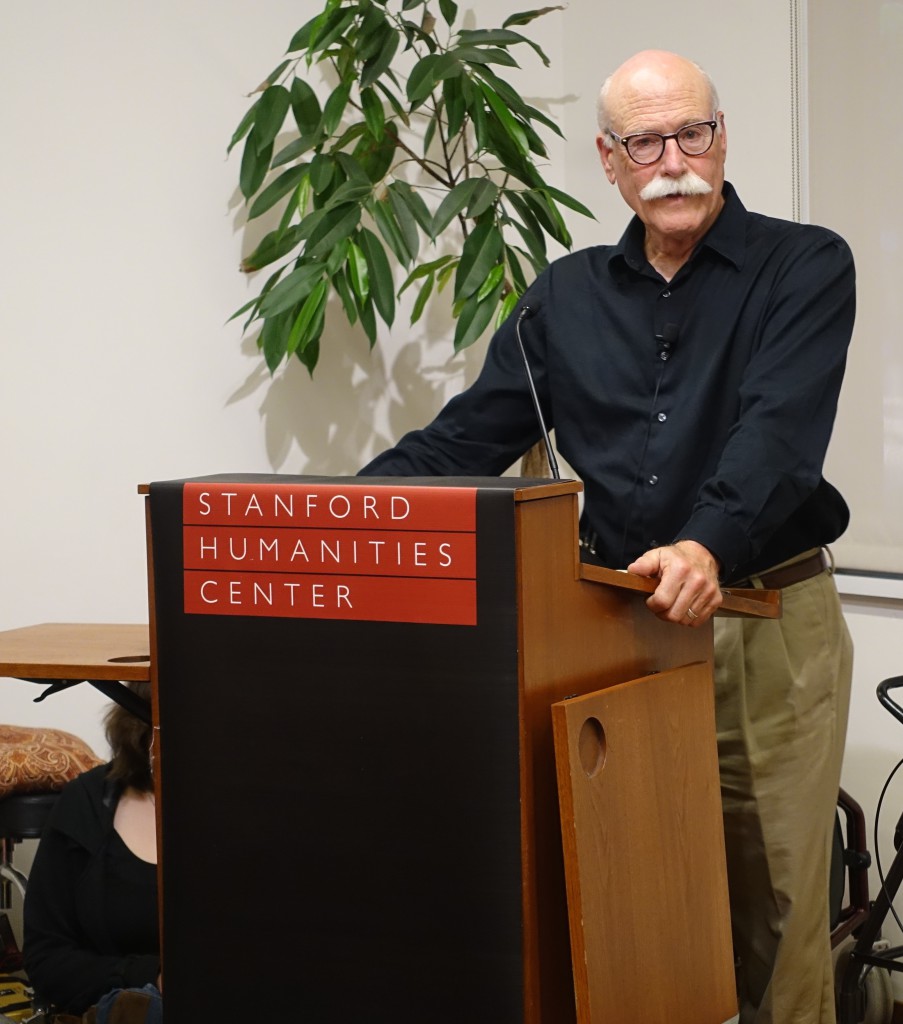
camus-10

Toby begins – a little amazed at the turn-out. (Photo: D. Schwartz)

The Monday discussion of Albert CamusThe Stranger was a knockout event – the turn-out beyond anything we had anticipated. It was way beyond standing room only. The room was impassable, with a mob in the doorway, and another outside the sliding doors to the patio, opened so a smaller crowd could listen in. People sat on the floor in the aisles. There was no place in the room that didn’t have people in it. (I squatted behind the podium and couldn’t see anyone on the panel – you could say I had audio, but not visual, reception.) It was, in short, a love-bomb.

The photos above and below don’t quite capture the size of the crowd – photographer David Schwartz, who happened to be in the audience, didn’t have much choice about what he could capture at all. The fans who were lucky enough to have seats were so jam-packed that he couldn’t move.

David couldn’t photograph all three panelists together – so we augment his photos with one of Marie-Pierre Ulloaa scholar of French intellectual life in 20th-century Algeria, taken by Remmelt Pit.

No surprise that the discussion was lively and wide-ranging. Intellectual and cultural historian Caroline Winterer, director of the Stanford Humanities Center, and Toby are old friends, as their spirited exchanges show in the photos. The audience was bubbling with questions – more than the panelists could possibly answer. Many of them focused on the four extra shots fired by Meursault into the Arab – in Matthew Ward‘s esteemed “American” translation (read about him here) is rendered “And it was like knocking four quick times on the door of unhappiness.”
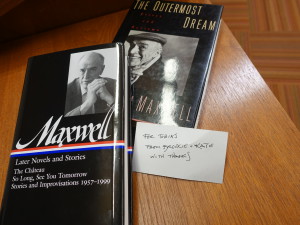
camus-9All in all, it was a wonderful send-off for Toby’s retirement – we presented him with a signed first edition of the late William Maxwell’s The Outermost Dream, a collection of his essays from The New Yorker – fitting, because Toby himself is a regular contributor to the magazine.

But the biggest surprise of the evening was the edition of Maxwell’s later novels from Brookie and Kate Maxwell, the author’s daughters, who have appreciated Toby’s attention to their father’s legacy, and his efforts for Another Look more generally. Brookie, also a photographer, included a photograph of her father that she had taken – the photograph with the kitten; you can see it here.
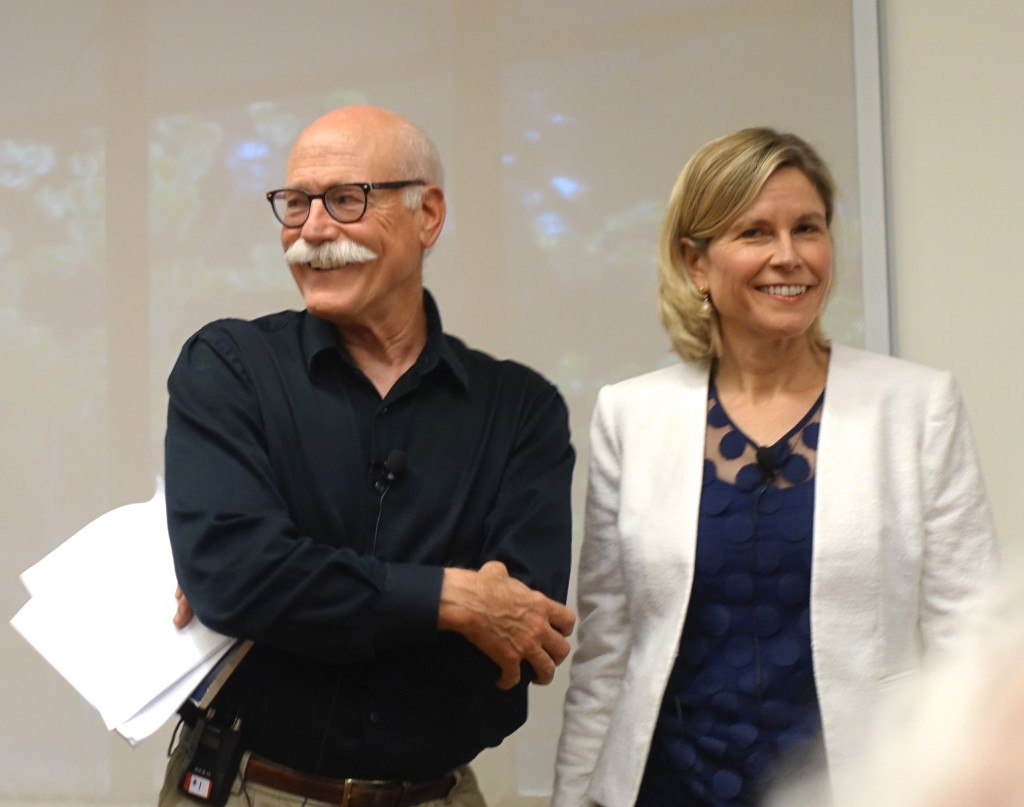
camus-11

Teamwork: Toby and Caroline. (Photo: David Schwartz)
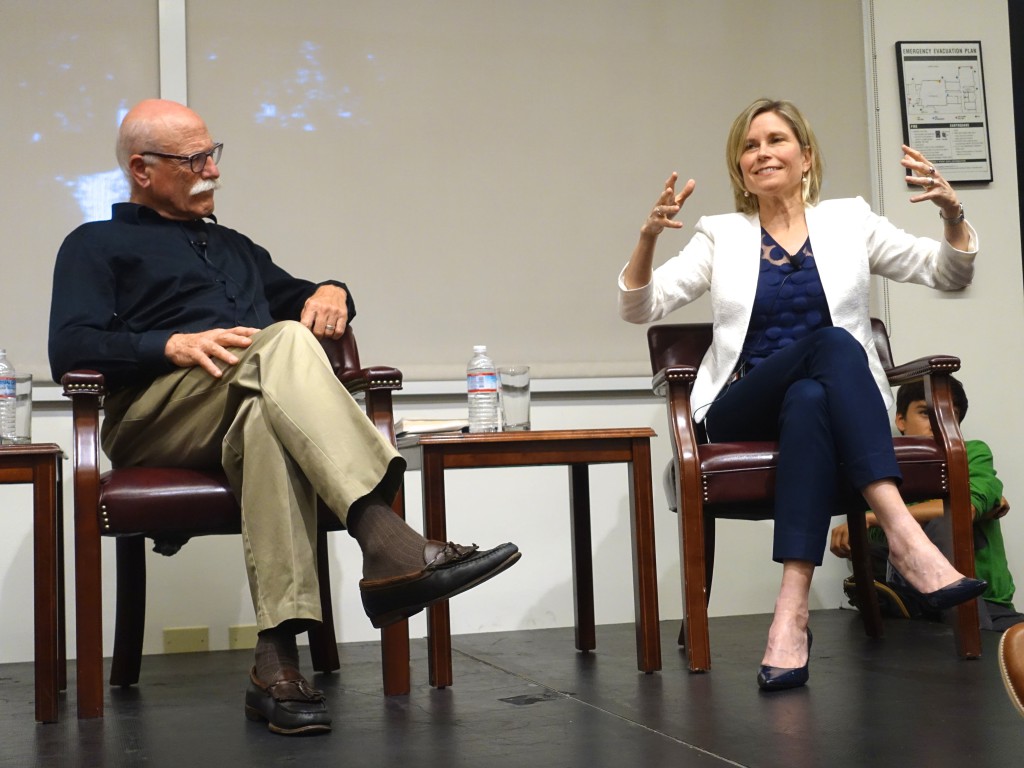
camus-12

A spirited exchange between Toby and Caroline (Photo: David Schwartz)
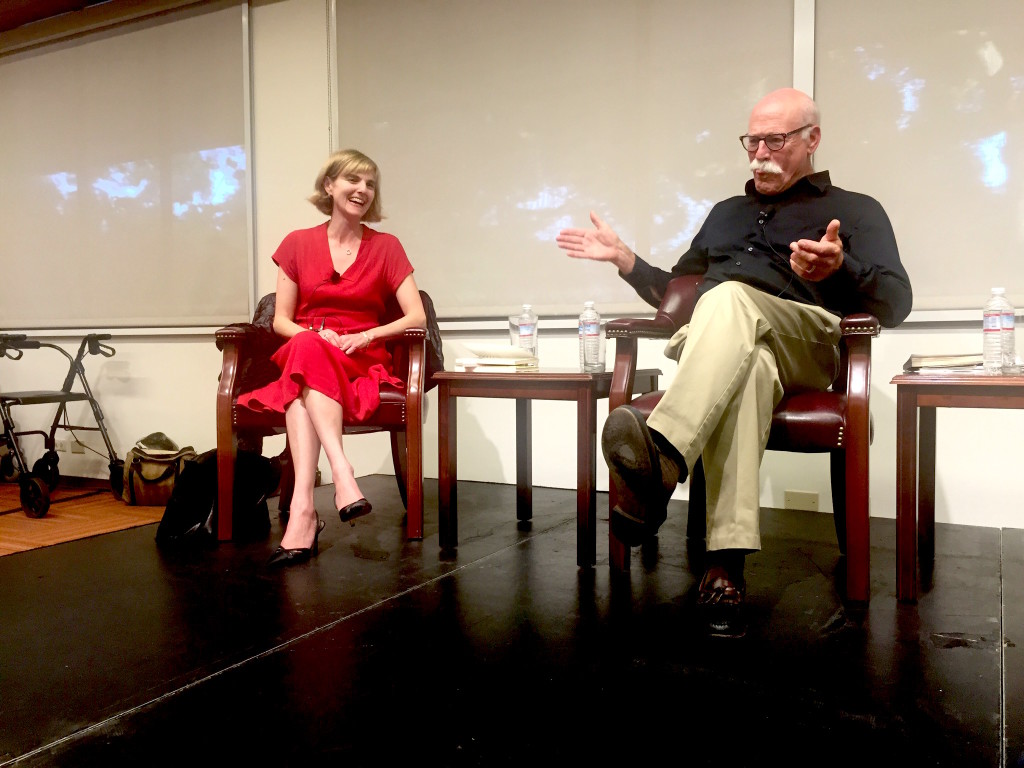
camus7

Toby makes a face; Marie-Pierre giggles. (Photo: Remmelt Pit)
More honored than read? Albert Camus’s The Stranger reconsidered

Share

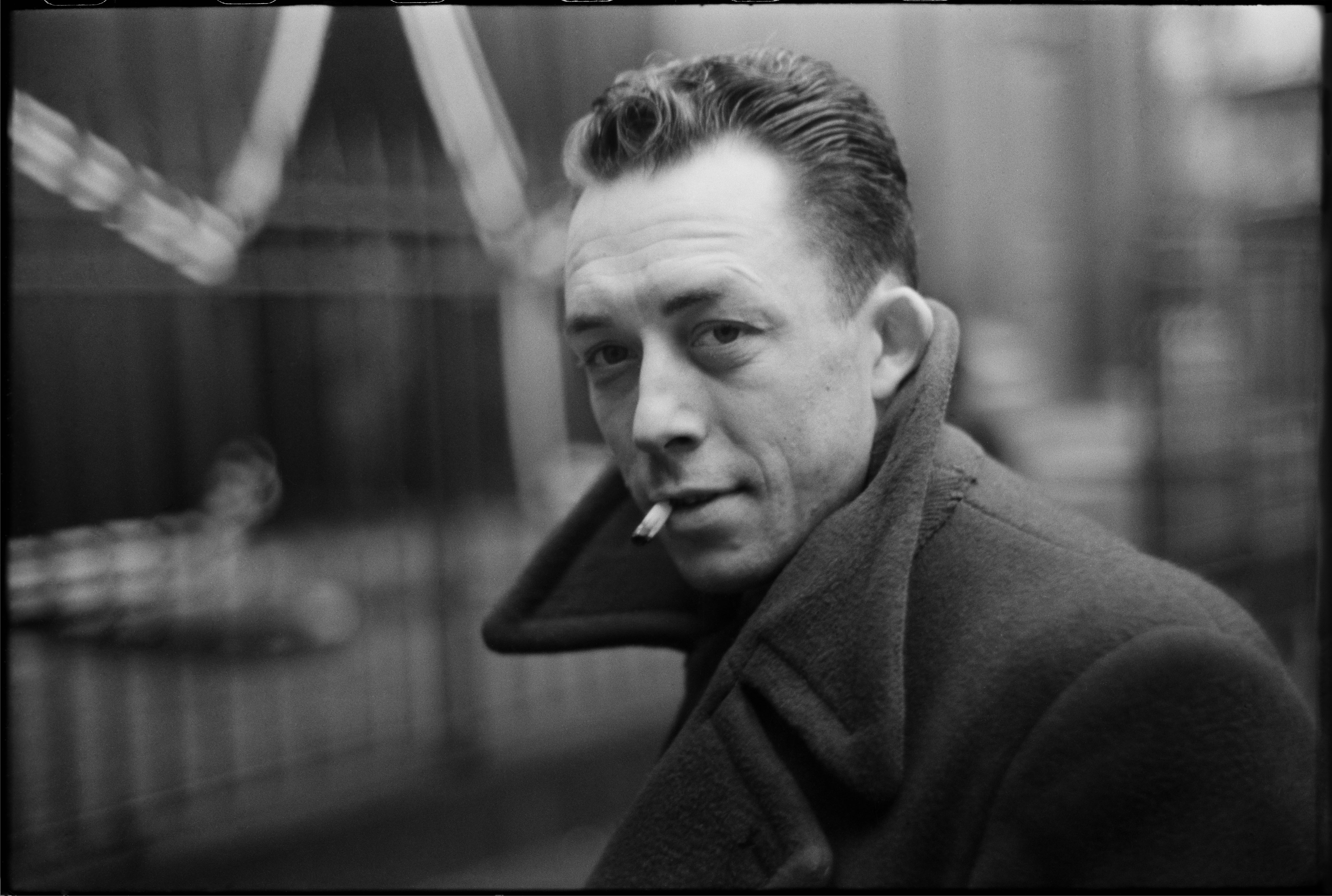
FRANCE. Paris. French writer Albert CAMUS. 1944.

Henri Cartier-Bresson’s iconic 1944 photo in Paris. (Courtesy Magnum/Cartier-Bresson)


I was poised midway between poverty and sunshine,” wrote Albert Camus, describing his impoverished childhood in French Algeria. “Poverty prevented me from judging that all was well in the world and in history, the sun taught me that history is not everything.”

Albert Camus’ The Stranger is drenched in the North African sun, but heat and light take an ominous turn. The Nobel Prize-winning author’s tale of a senseless murder on the hot Mediterranean beach has been a staple of high-school classes for decades, ever since it was published by the up-and-coming writer in 1942. But does it carry a new meaning for our time?

Acclaimed novelist Tobias Wolff has chosen The Stranger for the Another Look book club event at 7:30 p.m. on Monday, June 1 at the Stanford Humanities Center.  With Tobias Wolff’s retirement at the end of this academic year, the spring event on Camus’ The Stranger will be the last in the popular three-year series.

Gary Ward

Translator Matthew Ward (Courtesy Ward family)

Wolff, professor of English and the founding director of Another Look, will moderate the final event. He will be joined by cultural and intellectual historian Caroline Winterer, director of the Stanford Humanities Center; and Stanford lecturer Marie-Pierre Ulloa, a scholar of French intellectual life in 20th-century Algeria who has received France’s Chevalier de l’Ordre des Arts et des Lettres, one of the nation’s highest cultural honors. The event is free and open to the public.

According to Wolff, “The Stranger is not an overlooked book. But I believe that among adult readers it is more honored than read. We usually encounter it in our student days, and I doubt that many of us read it again later on.

“Yet it’s very much worth our renewed attention in this moment for the questions it raises about our attempts to find meaning in our lives, about the often violent encounters of different cultures, about the way we create consoling, even heroic, narratives to explain and absolve ourselves while remaining willfully blind to the personal and social forces that actually drive us, about the question of free will – do we have it? –  and about the problematic nature of institutional justice and punishment, indeed of all human judgment.

The event will spotlight the translation of Matthew Ward, who learned French at Stanford. He died of AIDS in 1990, two years after his translation was published, and a year after it received a PEN award. In a New York Times article, Ward said he used an “American method” to translate Camus.

“He mentioned Hemingway, Dos Passos, Faulkner and James M. Cain as influences,” said Ward, who earned his bachelor’s degree at Stanford in 1973. “My feeling is that The Stranger is more like Cain’s The Postman Always Rings Twice than Camus cared to admit.”

According to the New York Review of Books, Ward’s highly respected version rendered the idiom of the novel more contemporary and more American, and an examination of his choices reveals considerable thoughtfulness and intuition.”

Camus was born in 1913. His father died less than a year later in the Battle of the Marne. His illiterate mother moved with her two sons into a cramped family apartment without electricity or running water. Camus wrote that poverty “was never a misfortune for me: it was always counterbalanced by the richness of light. And, because it was free from bitterness, I found mainly reasons for love and compassion in it. Even my rebellions at the time were illuminated by this light. They were essentially – and I think I can say it without misrepresentation – rebellions in favor of others. It is not certain that my heart was inclined to this kind of love.”

strangerWith the publication of The Stranger and The Myth of Sisyphus in the same year, Camus became a public figure and an existential legend, though he eschewed the link with Jean-Paul Sartre‘s philosophy. Within a few years, he would also become a hero of the Résistance in occupied France. During the war years, he formed an important friendship with Sartre, and also a rivalry with the man who called him “the street urchin from Algiers.” Their break, over Camus’ refusal to justify or excuse the atrocities of Stalin as they became known, would be as famous as their camaraderie.
The 1957 Nobel Committee hailed Camus “for his important literary production, which with clear-sighted earnestness illuminates the problems of the human conscience in our times.” Camus was killed in a car accident in 1960 – some claimed it was a Soviet secret police job, although proof has been elusive.

He left behind a range of novels, plays, essays and short stories, but perhaps none as enduring and popular as The Stranger, with its anti-hero Meursault, who is condemned, not so much for murder, as for “not weeping at his mother’s funeral,” according to the author. Camus, an avowed atheist, said enigmatically, “Meursault is the only Christ that we deserve.”

The books will be available at Kepler’s in Menlo Park, Stanford Bookstore on campus and Bell’s Books in Palo Alto.

***

The Another Look book club focuses on short masterpieces that have been forgotten, neglected or overlooked – or may simply not have received the attention they merit. The selected works are short to encourage the involvement of the Bay Area readers whose time may be limited. Registration at the website anotherlook.stanford.edu is encouraged for regular updates and details on the selected books and events.

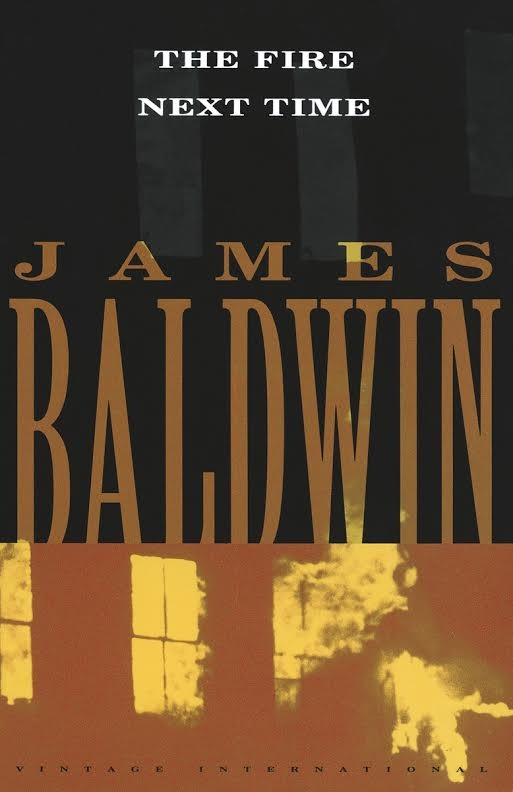
The book that rocked a nation: Another Look takes on James Baldwin’s The Fire Next Time. Join us on March 5!

Share
Portrait

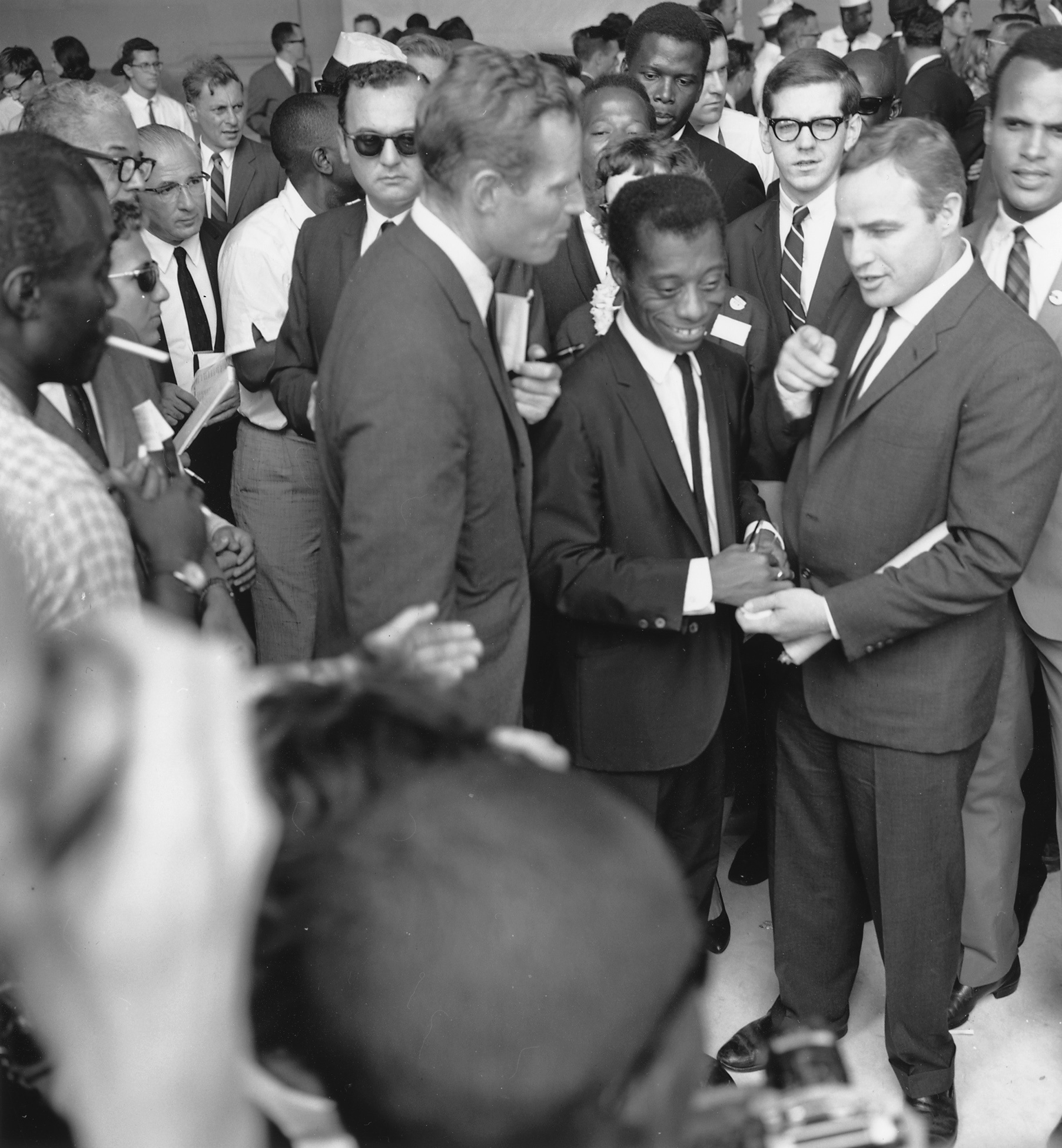
The 1963 Civil Rights March on Washington, with Charlton Heston, Marlon Brando, Sidney Poitier, and Harry Belafonte.

In the last year, the killings of black youth have sparked protests and violent clashes with police across the nation, putting racial justice in the headlines. Next month, the Another Look book club will reflect on these issues with a public discussion of James Baldwin’s 1963 The Fire Next Time, the author’s scathing, yet compassionate, reflections on the consequences of America’s racial inequities.

The event will take place at 7:30 p.m. on Thursday, March 5, at the Bechtel Conference Center at Encina Hall on Serra Street. Another Look discussions are free and open to the public, with no reserved seating.

The discussion will be moderated by Michele Elam, professor of English, with Harry Elam, vice provost for undergraduate education, and acclaimed author Tobias Wolff, professor of English and the founding director of Another Look. Michele Elam is a widely published authority on race and culture; Harry Elam is a leading scholar of African American theater and performance.

baldwin-bookMichele Elam, who will moderate the event on the novelist, playwright, essayist and activist, said that she selected the The Fire Next Time“because its urgent insistence that black lives matter is as poignantly relevant today as it was in the civil rights era.” Elam, whose Cambridge Companion to James Baldwin will be out this month, added that “The Fire Next Time offers some of his most cogent and searing insights into race, power, and love in America.”

Read the full Stanford Report article here or click the link below.

The book has two parts: Baldwin’s essay, “Down at the Cross: Letter from a Region in My Mind,” which originally ran in the New Yorker, and also “My Dungeon Shook: Letter to My Nephew on the One Hundredth Anniversary of the Emancipation,” a shorter piece that Elam called “a meditation on the fragility of black boyhood.”

Baldwin wrote to his nephew of the hundreds of thousands of lives destroyed, and his countrymen “do not know it and do not want to know it. He added, “But it is not permissible that the authors of devastation should also be innocent. It is the innocence which constitutes the crime.”

He claimed in the longer essay that white men project their fears and their longings onto African Americans. “The only way he can be released from the Negro’s tyrannical power over him is to consent, in effect, to become black himself, to become part of that suffering and dancing country that he now watches wistfully from the heights of his lonely power and, armed with spiritual traveller’s checks, visits surreptitiously after dark.”

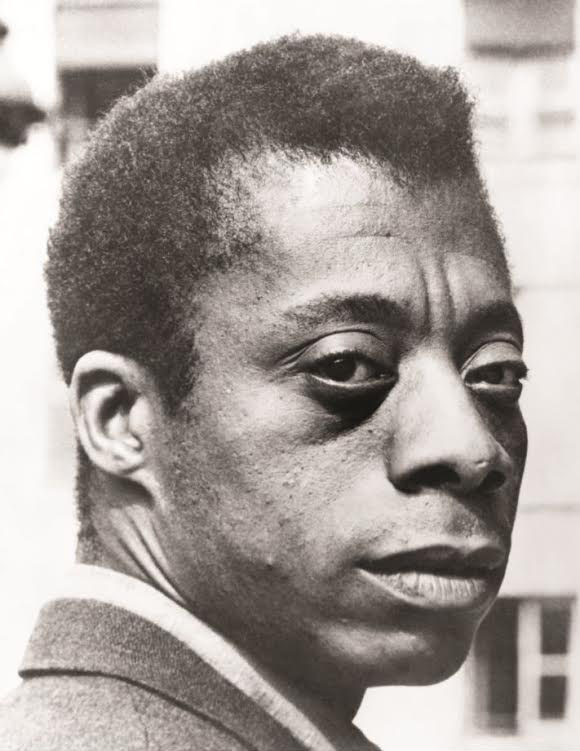
Baldwin was born in Harlem in 1924, the first of nine children. He never knew his biological father, but his stepfather was a harsh preacher. At school he studied with Countee Cullen, a leading figure in the Harlem Renaissance, and worked on the high school magazine with Richard Avedon, who would become a world famous photographer. The book dwells briefly on his precocious and brief teenage career as an evangelical preacher. He moved to Greenwich Village at 17 to be a writer. A British television journalist recalled that when he started his career he was black, impoverished and homosexual – how disadvantaged can you get? “No, I thought I hit the jackpot,” he said, grinning. Then after the laughter subsided, added, “It’s so outrageous you could not go any further, so you had to find a way to use it.”

He hit the jackpot. (Photo: The Granger Collection)

He hit the jackpot. (Photo: The Granger Collection)

Use it he did. He wrote than a score of fiction and non-fiction works, including novels, essays, and plays. The Fire Next Time sold more than a million copies, and put Baldwin’s face on the cover of Time magazine. The award-winning author was a popular speaker – lively, epigrammatic, scathingly witty, passionate and deeply humane. He eventually settled in the south of France, where he was named a Commander of the Legion of Honor the year before his death of cancer in 1987.

The Fire Next Time is one of the great books of the last century,” said Wolff, who teaches the book every fall. “With forensic calm born of rage, Baldwin performs an autopsy on the self-flattering myths by which we blind ourselves to the radical injustices of our society,  even as we congratulate ourselves on its moral superiority. Grounded in historical and personal experience, relentlessly logical, his words burn as hot today as when they left his pen.”

Certainly the book changed minds and lives. When he was still a graduate student, Bob Fitch, who currently has a photography exhibit spotlighting the Civil Rights era at the Stanford University Libraries spent all night reading the book and the next day bought a camera and began photographing the Civil Rights movement. A few years later, at an informal staff meeting held in Martin Luther King’s bedroom, he saw The Fire Next Time among the leader’s rumpled bedsheets. King told the young photographer that the book had inspired his own 1967 book, which would be his last, Where Do We Go From Here – Chaos or Community? The Green Library exhibition continues through March 18.

Stanford Bookstore, Kepler’s in Menlo Park, and Bell’s Books in Palo Alto have copies ofThe Fire Next Time.

***

The “Another Look” book club focuses on short masterpieces that have been forgotten, neglected or overlooked – or may simply not have gotten the attention they merit. The selected works are short to encourage the involvement of the Bay Area readers whose time may be limited. Registration at the website anotherlook.stanford.edu is encouraged for regular updates and details on the selected books and events. Another Look also invites readers far away to join us in reading the book, and to send us comments. Podcasts of previous events are on the website.

Dave Eggers, Tobias Wolff on “privacy, and whether it’s possible to have it anymore”

Share
eggers3

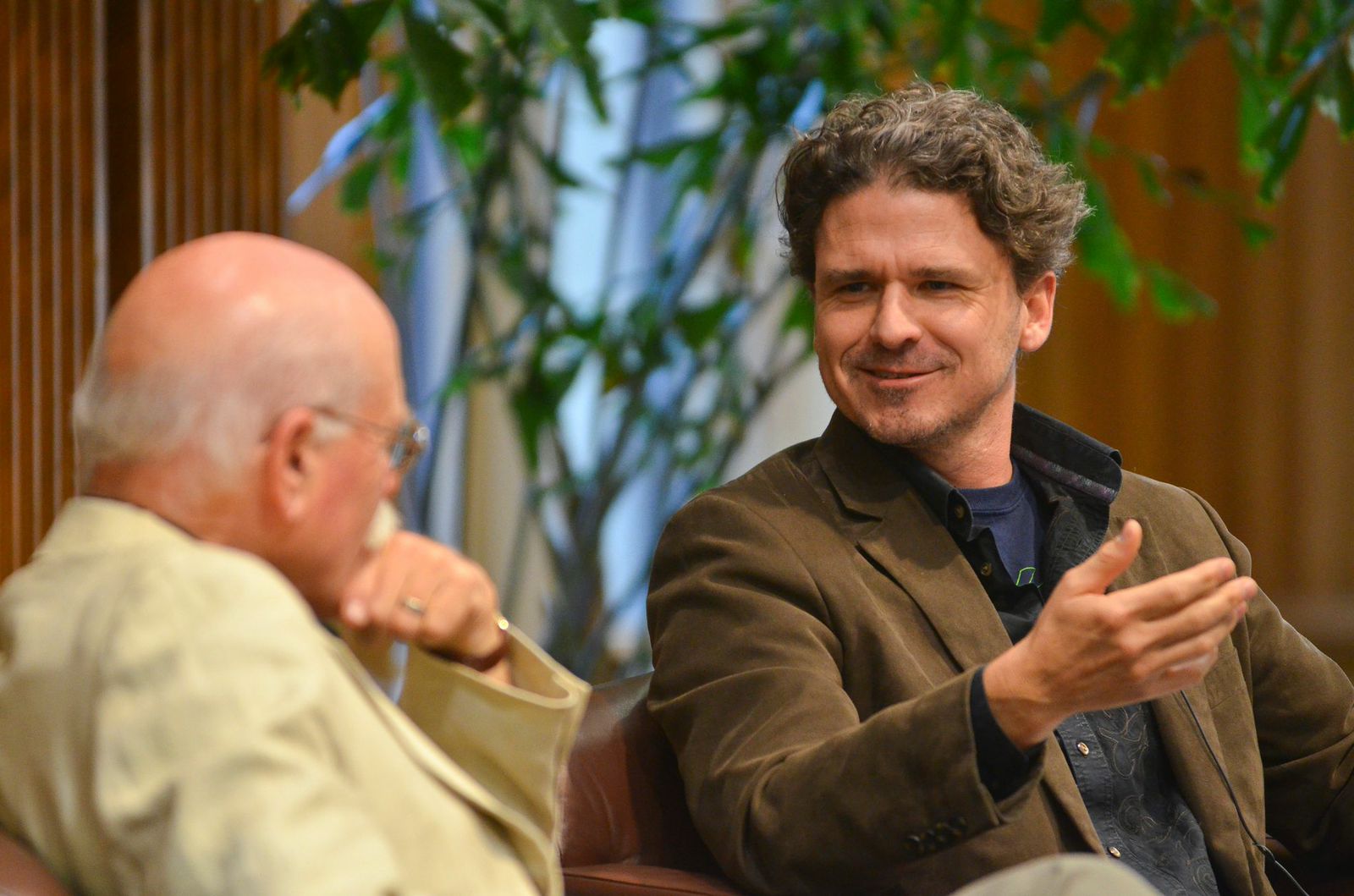
An optimist against the odds: Dave Eggers talks to Tobias Wolff. (Photo: Rod Searcey)

Imagine you send someone a letter. You are eager to know your recipient’s reaction to your correspondence. So you drive over to his house, park, crouch in the bushes so that you have a view of his living room window, so you can see the moment when he opens the envelope, and …

Wait a minute. It’s not so far from the truth. Author Dave Eggers, founder of McSweeney’s, recalled an incident a dozen years ago when he received an email. A few days later, his correspondent asked him what he thought about it. Eggers said he’d been buried in work, and hadn’t had a chance to read it yet. Not true, his correspondent said. He’d opened it at 4:27 p.m. a day earlier. The fellow had the ability to get a receipt when someone opened his email. For Eggers, it was a moment when “a friend crosses what would have once been a boundary” and “your right to know what happens to your letter exceeds my right to privacy.” While it’s commonplace today, Eggers felt the the friend had “stepped way outside the behavior I want in a friend.”

eggers2

“You can’t go back, you can only go further.” (Photo: Rod Searcey)

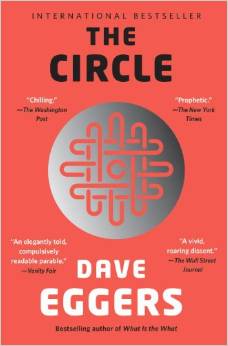
His newest novel, The Circle, studies our hunger for constant communication. The eponymous center of the book is a Bay Area high tech giant that feeds on our privacy as it creates a utopian culture for its employees. Sound familiar? “Some of the most idealistic people I know are working at these companies,” said Eggers.

He was in conversation with author Tobias Wolff last month, during a packed event at Encina Hall on “privacy, and whether it’s possible to have it anymore,” in Wolff’s words. The occasion, sponsored by the Stanford Creative Writing Program, the Stanford McCoy Family Center for Ethics in Society, and the Stanford Humanities Center, may have been a record-breaker for attendance, or at least among the Top 10. Staff hurriedly tried to put up an extra simulcast screen in the lobby to accommodate the hordes. I arrived late, having spent 40 minutes looking for parking, before finally abandoning my car across campus and sprinting to the event. I squatted in a corner in the simulcast room upstairs, and peered at the conversation on a big screen. The event had already started…

“An insatiable hunger to know drives everybody,” said Eggers, and it’s enabled by technological gimcracks and software that make information-gathering – or spying, in some cases – easy. For example, a father can track the movements of his daughter, whether she’s in another state or in her boyfriend’s car. “It’s cheap, it’s easy, you don’t have to get up or hire anybody.”

“Why trust when you can track? It gets scary.”

Wolff said his horror at the NSA revelations “will tell you where I am on the technological scale.” Although he was “shocked to learn all our emails and phone calls are vacuumed up by the government,” he got another jolt when, in a conversation, he learned that one of his bright young students “doesn’t see anything wrong.”

“How used to being under surveillance this generation is!” said Wolff. We’ve all heard the commonplace rejoinder – if you weren’t doing anything wrong in the first place, what’s the problem? Said Wolff: “Who decides what is ‘wrong’? It could be a political stand you have taken.”

“We’re so marinated in the custom of being surveilled that we have grown a thick skin to it.”

We live in a world where “your license plate is photographed sixty times a day,” said Eggers. Moreover, “if it can be collected and stored, it can be abused.”

“It’s hard to stop. All of these things have never been that easy. You can’t go back, you can only go further.”

Go further to what? Utter transparency, 24/7. A world where we swim in ever vaster oceans of information. A world where knowledge of everything, all the time, is an inherent good. Everything that everyone is doing is known to everyone all of the time. “Accumulated shared knowledge” is the new community, and it’s considered “selfish” to hold back anything, to have secrets, to want to be left alone. “That philosophy is expounded in a lot of places,” said Eggers.

In such a world, shame is futile, because inescapable. Besides, you can see what everyone else is doing, too, and it’s just as bad. Maybe worse. But, but, but … isn’t shame an aspect of conscience, and isn’t it part of being fully human?  “It’s considered suspicious if you do want to hide anything,” said Eggers, and “deleting anything is inherently sinful.”

But what about the right to be a nobody, an inconnu, a nonentity? What about the right to be forgotten, to be invisible?

index“By the time you ask to get the right to be forgotten, it’s already too late to be forgotten,” said Wolff. He recalled the case of a Columbia student accused of rape. The assailant’s name has been publicized, but the case has never been tried. Guilty or innocent, “that crime attaches to that person’s name forever.”

“The right of individuals to control their identity and narrative … should trump our right to know a person,” said Eggers. He called for a Center for Digital Ethics, perhaps at a place like Stanford, “to codify some do’s and don’t’s.” He said much of what’s happening now “is a clear violation of the Fourth Amendment – the unspecified collection of data on citizens without a warrant or a specific crime.”

“The original sin where we got to this is that everything had to be free.” Stewart Brand famously said, “Information wants to be free.” It came true: “It is free, but in a “non-transparent, creepy way,” said Eggers. It’s like all those “terms and conditions” you have to check online before agreeing to things – or the endless supply of mail for you to review with revisions to your terms and conditions. Who does all that? “Keeping up terms and conditions is a full-time job,” he said.

Not everyone is as unconcerned as the student Wolff described, as we slide towards a technological dystopia. Eggers was on hand when The Circle came out three weeks earlier in Germany. “Their memory of Stasi is very fresh,” he said – especially thanks to movies like The Lives of Others. In America, however, we are speaking of a generation that was in diapers when East Germany’s Stasi was dissolved.

Are you depressed yet? Apparently Eggers isn’t. “People will do the right thing when there are laws and when there are parameters which we have discussed,” he said. “I’m optimistic about the good of human nature.”

eggers1

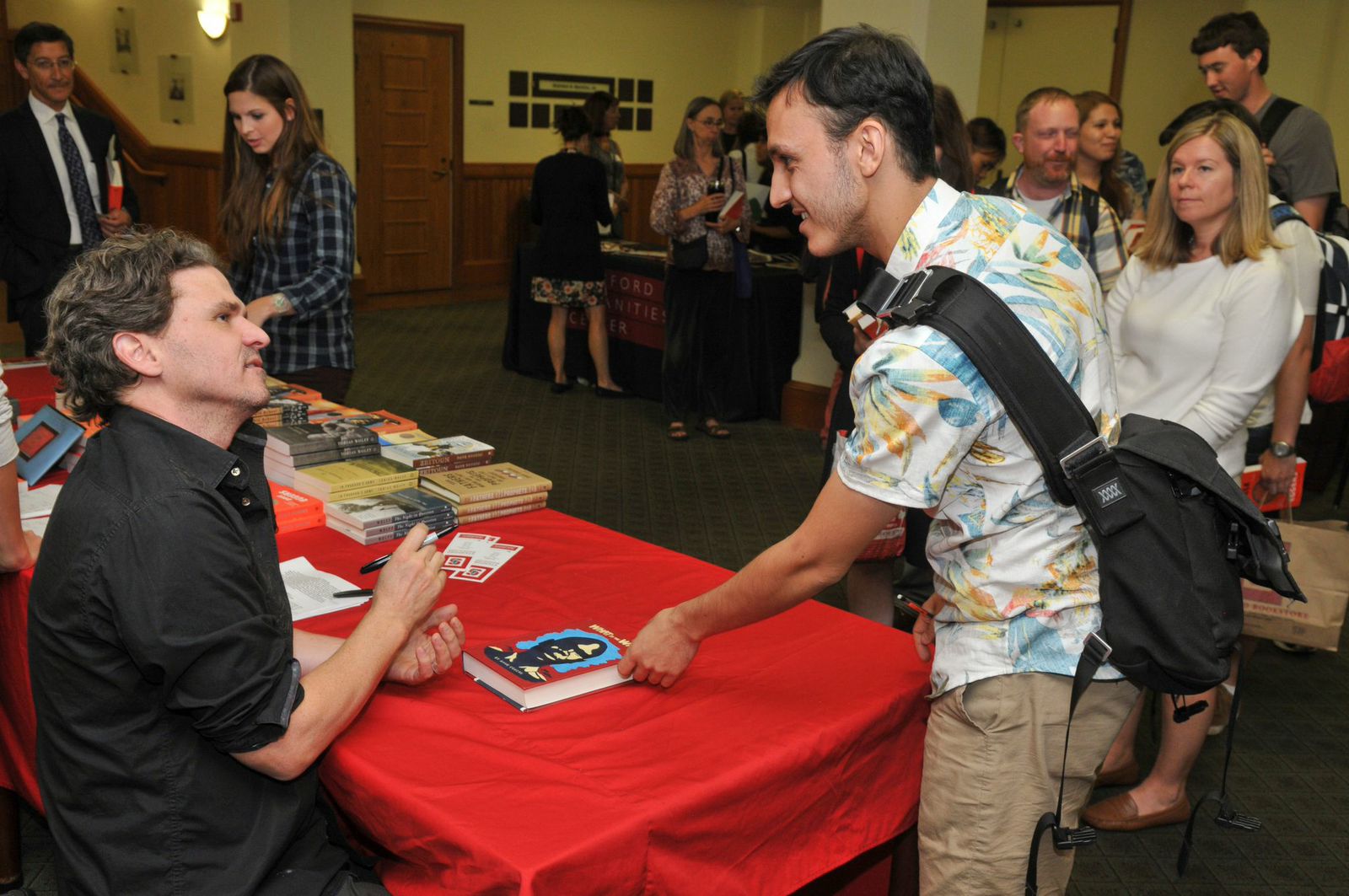
Signing books afterwards. (Photo: Rod Searcey)

Join us Monday night for the “Another Look” book club discussion of Calvino’s Cosmicomics!

Share

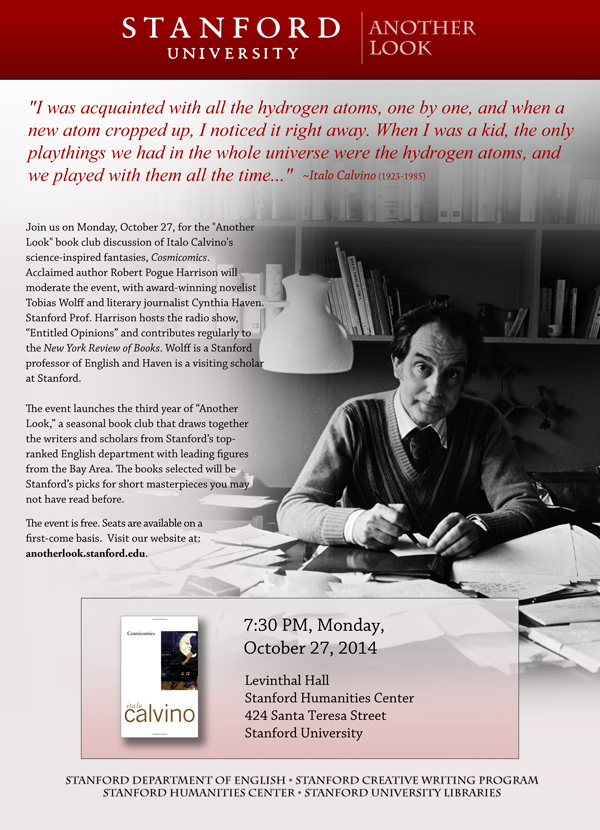
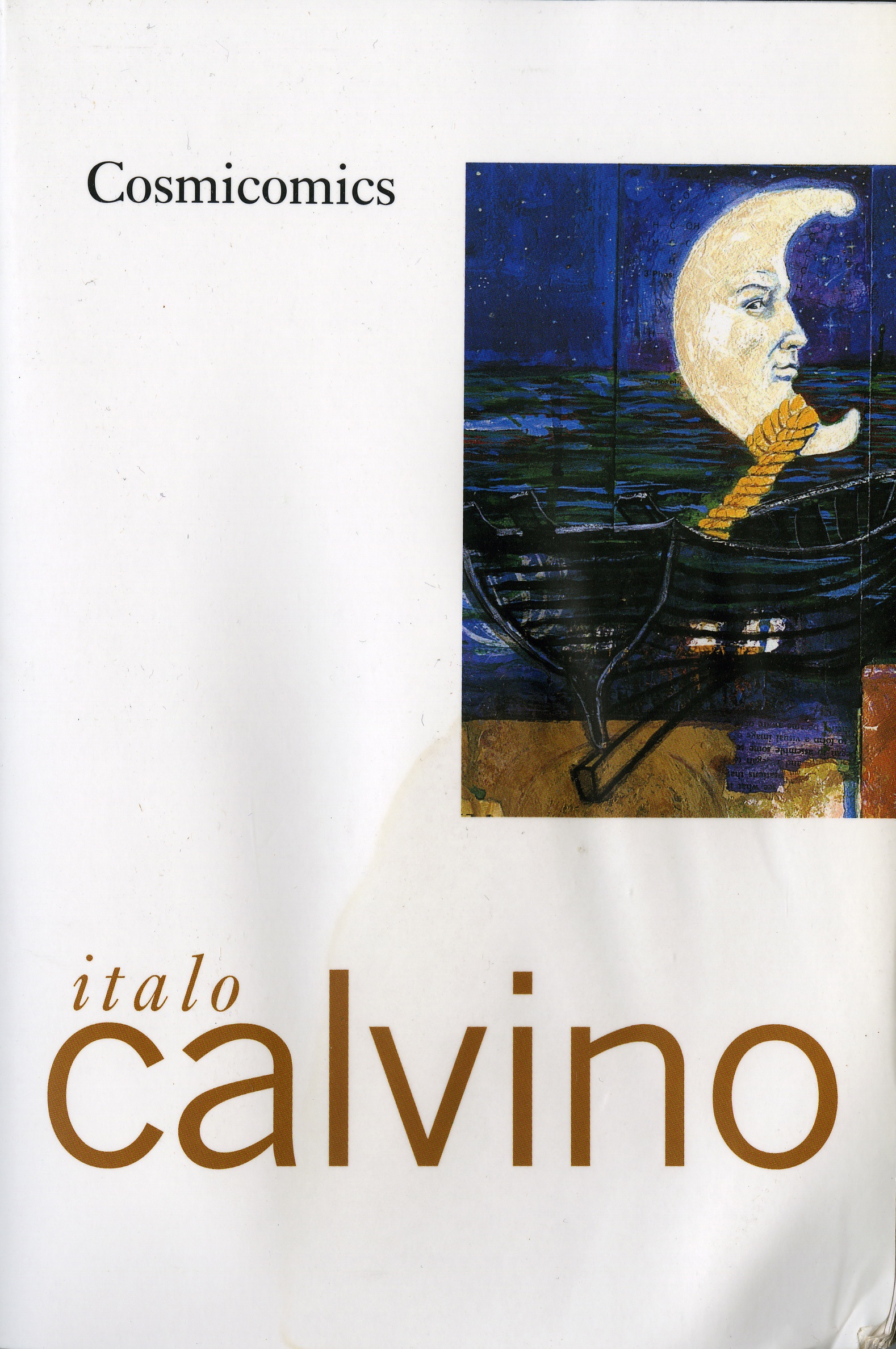
19It’s here! On Monday night, October 27, Stanford’s “Another Look” book club will take on Italo Calvino‘s twelve science-inspired fantasies, Cosmicomics, with moderator Robert Pogue Harrison, joined by panelists Tobias Wolff and Humble Moi. The event begins at 7:30 p.m. at the Stanford Humanities Center at 424 Santa Teresa Street on the Stanford campus.

Award-winning author Tobias Wolff, who founded the group three years ago, said that the book club is Stanford’s “gift to the community.” Hence, the Another Look book club  is open to all members of the public, as well as Stanford’s students, staff, and faculty. Not only can everyone attend, but we positively want you to come to our first event in the third season. The event is free, but come early, because seats are available on a first-come basis.

We’ve written about the Calvino event already here and here and here. There’s even more at the Another Look website here.  The only missing piece right now is you. Join us!

calvino-postermockup5


“Another Look” book club goes out of this world with Calvino’s Cosmicomics

Share
14

Helping matter talk

We’re rolling into fall, which means we’re launching into the third season of Stanford’s “Another Look” book club. No surprise to Book Haven readers that the book is Italo Calvino‘s Cosmicomics – given recent posts about Calvino here and here. My article in Stanford Report today:

“Climb up on the Moon? Of course we did. All you had to do was row out to it in a boat and, when you were underneath, prop a ladder against her and scramble up.” So begins the improbable tale of a man in love with the moon, and the woman in love with him, at a time when the moon was so close to the earth you could …

Wait a minute. The moon, at the dawn of time when it was closest to the earth, was still at least 12,000 miles away. Too long for any ladder. Clearly, Italo Calvino (1923-1985) one of the greatest European writers of the last century, took a mountain of artistic license when he published his science-based fantasies, Cosmicomics, in 1965. But for the generations of readers swept away with the wit and magic of these loosely linked stories, that’s part of the fun.

Cosmicomics will be discussed at the popular “Another Look” book club, at 7:30 p.m. on Monday, Oct. 27, at Levinthal Hall, Stanford Humanities Center. Acclaimed author Robert Pogue Harrison, the Rosina Pierotti Professor of Italian Literature, will moderate the panel, with award-winning novelist Tobias Wolff, the Ward W. and Priscilla B. Woods Professor, and literary journalist and visiting scholar Cynthia Haven, who blogs at The Book Haven.

Harrison hosts the radio talk show “Entitled Opinions” and contributes regularly to the New York Review of Books. The event launches the third year of “Another Look,” founded by the Creative Writing Program in the Department of English.  The event is free and open to the public.

Cosmicomics will be fêted on the eve of the launch of the Stanford Arts Institute’s year-long program of events, “Imagining the Universe.”  It’s entirely apropos; no author did a better job of imagining the universe than Calvino did. As Calvino wrote in a letter, “Man is simply the best chance we know of that matter has had of providing itself with information about itself” – and he took it upon himself to do so.

Consider dreamy passages such as this one from the same story, “The Distance of the Moon”: “When she was full – nights as bright as day, but with a butter-colored light – it looked as if she were going to crush us; when she was new, she rolled around the sky like a black umbrella blown by the wind; and when she was waxing, she came forward with her horns so low she seemed about to stick into the peak of a promontory and get caught there.”

Each story begins with a passage from the science of the time, and follows with a tale told by a chatty, avuncular fellow named Qfwfq. We hear eyewitness accounts of the big bang, the first radiations of the sun, the advent of color. But we never know exactly what Qfwfq is – sometimes an atom, sometimes a mollusk, sometimes the last dinosaur, sometimes an undefined inhabitant of the nebulae.

cosmicomicsHarrison reminds us that the stories, fantasy notwithstanding, never stray far from the Italy of Calvino’s day.  In the postwar years of the 1950s and 1960s, Italy’s largely agrarian society went through rapid industrialization and dramatic modernization, as people migrated to the swelling cities.  Consequently, the 12 stories are suffused with longing and loss, the pull of the past as well as aspiration for the future.  (A Q&A with Harrison is here.)

Calvino loved the genre he created so much that he went on to create several more volumes of Cosmicomics, which have recently been republished as The Complete Cosmicomics. “Another Look” considers only the original 153-page volume, which some consider Calvino’s finest work.

Harrison explained why he picked the stories for the Stanford-based community book club this way: “I like them because of their imaginative vitality and flair. I thought it would be a book of the sort that hardly anyone in the group would have read. Frankly, I find that Anglo-American fiction, which is a great tradition, is far too dominated by the genres of realism, with its lifelike characters, plots, setting, and so forth. From that point of view, Cosmicomics completely scrambles the readers’ expectations.”

He added that “in so many different areas of the sciences, the forces of evolution are more and more being brought in as an explanatory mechanism for understanding anything that is under investigation. The force of evolution, the anthropomorphic imagination that you have in these stories, along with the sheer charm of the book – that’s why I chose it.”

Wolff agreed. “Cosmicomics – like all of Calvino’s work – is brilliant and unconventional, permitting itself an almost reckless freedom of imagination,” he said. “It may puzzle some readers, refusing as it does to entice us with recognizable, ‘realistic’ situations and characters, but I trust that puzzlement will turn to delight as Calvino’s wit and sense of intelligent play begin to disarm us. This is a thoroughly original piece of work, and rightly esteemed a classic.”

Cosmicomics will be available at the Stanford Bookstore, at Kepler’s in Menlo Park and at Bell’s Books in Palo Alto.

***

The “Another Look” book club focuses on short masterpieces that have been forgotten, neglected or overlooked – or may simply not have received the attention they merit. The selected works are short to encourage the involvement of Bay Area readers with limited free time. Registration at the website is encouraged for regular updates and details on the selected books and events.

.