
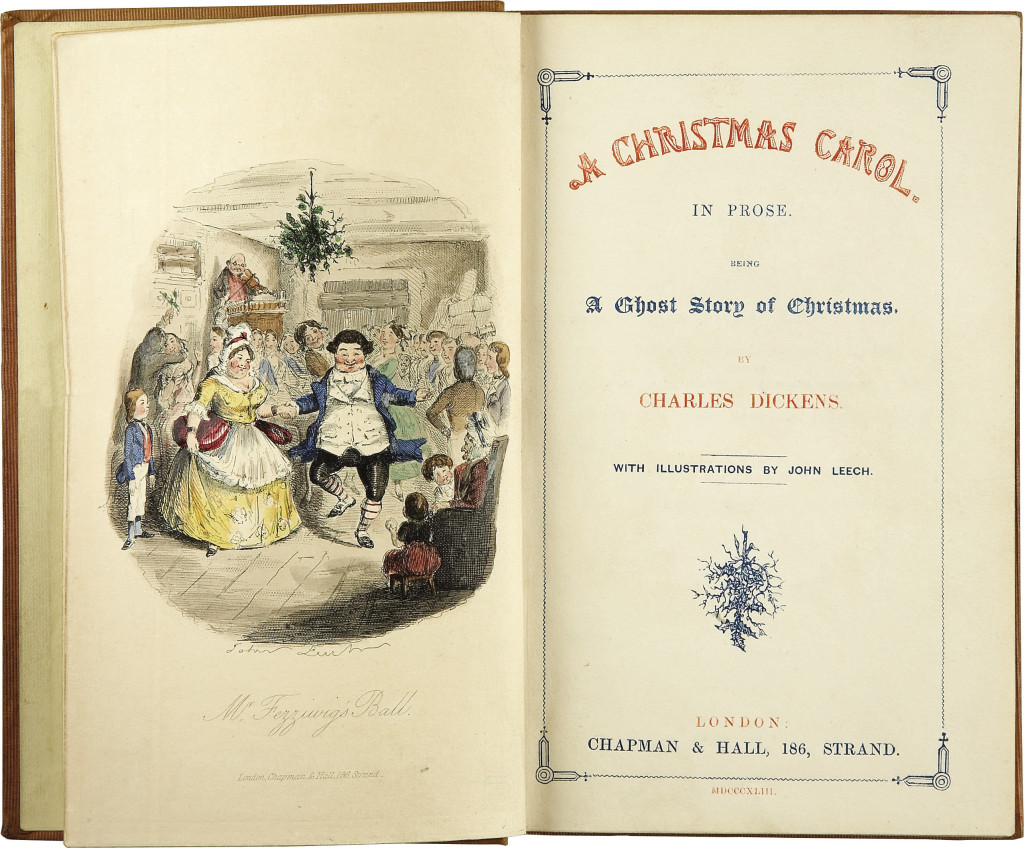
Charles Dickens may not have made a fortune on the publication of A Christmas Carol, but he did leave the world a little richer. We can’t help but believe that he made himself a little richer, too.
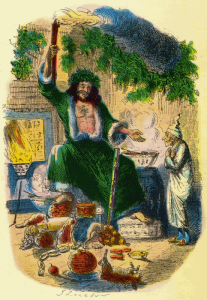 Aside from boosting people’s awareness of the plight of the poor in Victorian England, though, Dickens also had a more immediate need: cash. He’d spent too much on his 1842 American tour, Golden writes, and he needed to support his large family. “Thinking creatively, he wrote himself out of his dilemma,” she reports.
The already well-known writer’s solution worked, to a degree. He sold out the first print run in a week, all 6,000 copies of it. By the end of the next year, writes Brandon Ambrosino for Vox, the book had sold more than 15,000 copies. But due to the book’s lavish bindings and the relatively low price he chose to sell it for, writes Michael Varese for The Guardian, much of that money didn’t make it back to the author, who was hoping to make at least £1000 from the book. “What a wonderful thing it is that such a great success should occasion me such intolerable anxiety and disappointment!” he wrote.
Read the whole thing (with lots of links) over at The Smithsonian here.
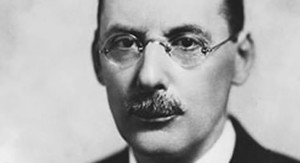
One can be rich in poems, too. After our post a few days ago for Edwin Arlington Robinson‘s birthday with his Christmas sonnet, we got a message from poet R.S. Gwynn suggesting that “Karma” was in fact Robinson’s best Christmas poem. So we include it below:
 Christmas was in the air and all was well
With him, but for a few confusing flaws
In divers of God’s images. Because
A friend of his would neither buy nor sell,
Was he to answer for the axe that fell?
He pondered; and the reason for it was,
Partly, a slowly freezing Santa Claus
Upon the corner, with his beard and bell.
Acknowledging an improvident surprise,
He magnified a fancy that he wished
The friend whom he had wrecked were here again.
Not sure of that, he found a compromise;
And from the fulness of his heart he fished
A dime for Jesus who had died for men.