they warm themselves...
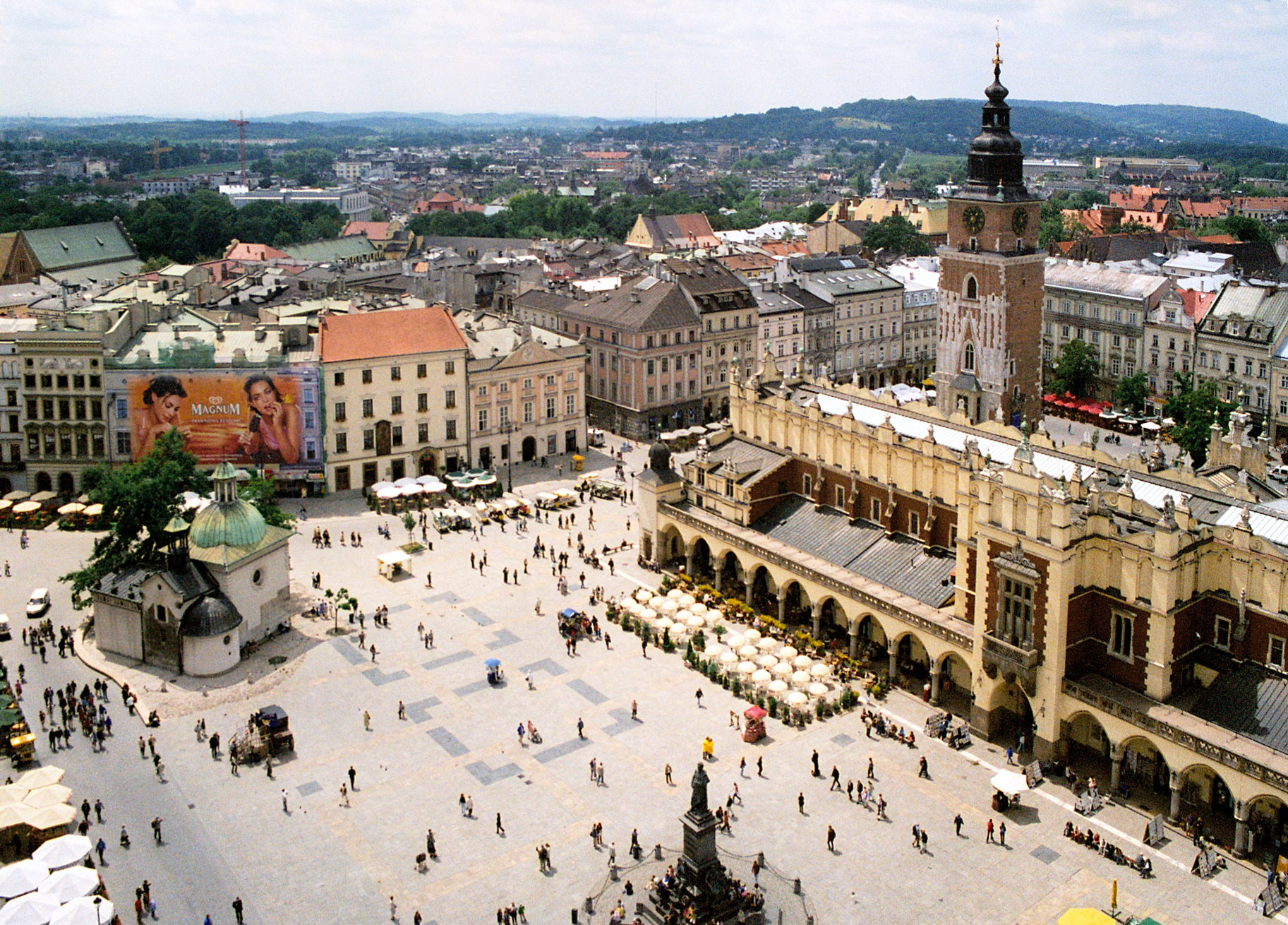
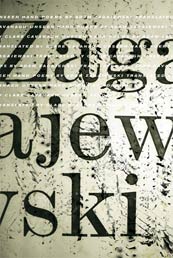
Kraków sustains a steady descant through the pages of Adam Zagajewski‘s new collection, Unseen Hand – most often, it’s Kazimierz, the old Jewish quarter where I stayed in May:
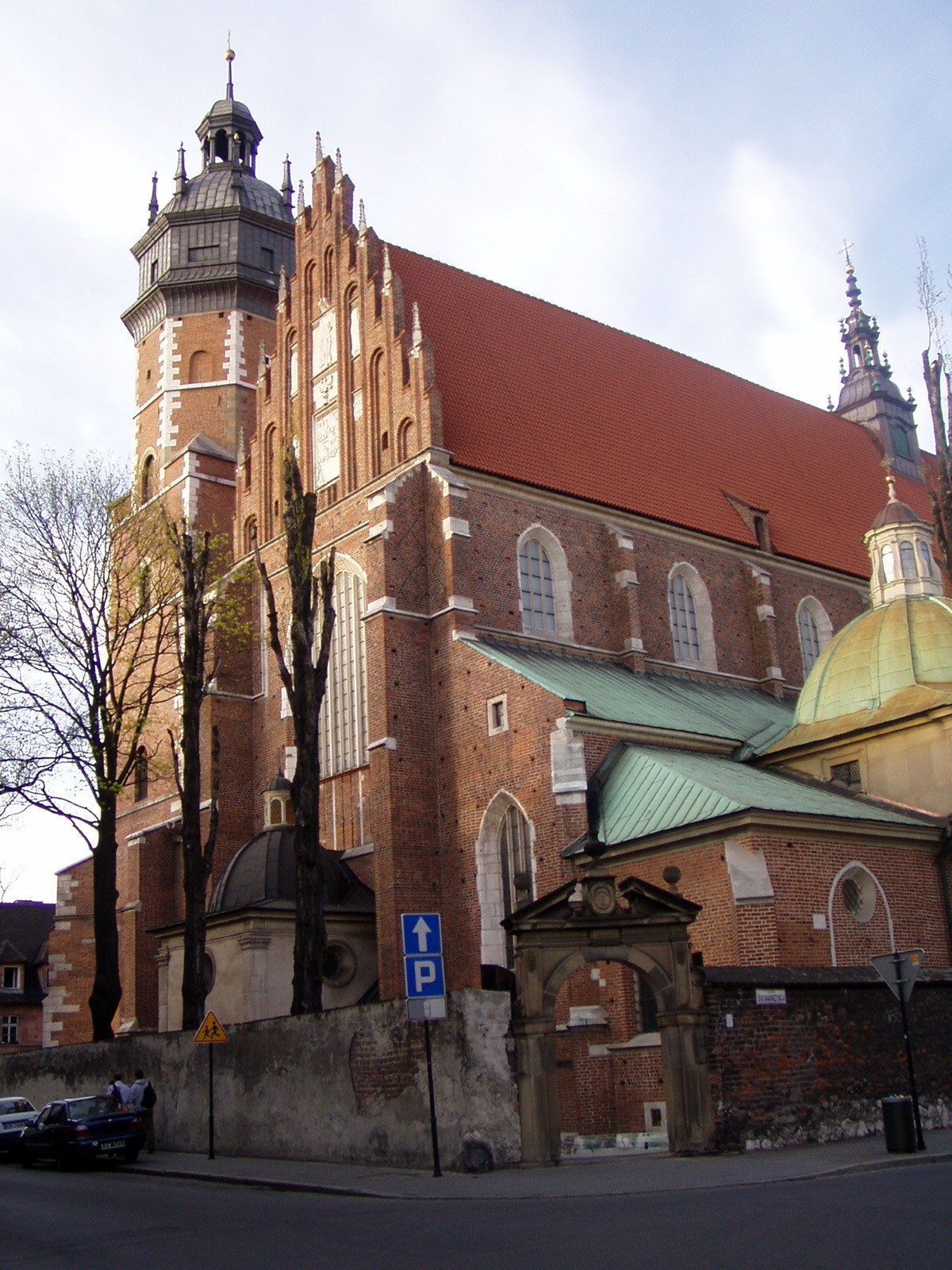
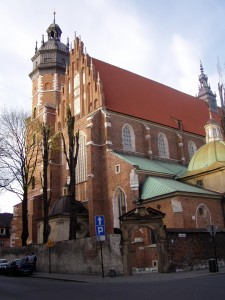
In the Church of Corpus Christi I lit candles for my dead,
who live far off – I don’t know where
– and I sense they warm themselves in the red flame too
like the homeless by a fire when the first snow falls.
That’s Corpus Christi, outside my window in Wolnica Square. And one poem for St. Catherine’s Church, and at least three references to Jozef Street, catty-corner to Wolnica Square. “Joseph Street in Winter,” is dedicated to Joachim Russek, the head of the Judaica Foundation, a tutelary spirit for my first trip several years ago:
In winter Joseph Street is dark,
a few pilgrims flounder through wet snow
and don’t know where they’re going, to which star,
And two references to pigeons – charitable, because I know Adam finds them contemptible. It was the subject of our first discussion when we met in Rynek Główny, which was swarmed with pigeons.
He didn't like the pigeons.
I actually “met” Adam during an online interview six or seven years ago for an article that was published Poetry Foundation article). But much of the short interview never made it to the final piece. For example, I asked him what gave rise, to a generation of giants:
“Good question. I have many contradictory explanations. One of the main ones is that the attention given to the meaning of human life in radical circumstances (as opposed to the hermetic direction, or to a purely formal quest) in Polish poetry after the WWII catastrophe was a very important move: it gave the dying Modernism a new energy. It ‘rehumanized’ a highly sophisticated but a bit empty palace of modern poetry.”
On irony:
“Well, the disease of irony seems to be well identified. I adore irony as a part of our rich rhetorical and mental apparatus but not when it assumes the position of a spiritual guidance. How to cure it? I wish I knew.”
"We'll be living in small ghettos..."
He has earned my own fealty, not only for his poetry, but for his many kindnesses. So I was pleased when I read on Ann Kjellberg‘s website for her journal Little Star, a lengthy excerpt from his introduction to Edward Snow’s translations of Rainer Maria Rilke. (It was also excerpted by Poetry Daily here.) Adam is much in demand for introductions, blurbs, reviews, and essays. This introduction is one of his best (I excerpt from Ann’s excerpts – and by the way, thank you, David Sanders, for pointing out the piece in Poetry News in Review):
“We have a new sorrow today: after the terrible catastrophes of the twentieth century, after the disasters that entered both our memory and imagination, we tread gingerly at the point where poetry meets society; “Don’t walk beyond this line,” as the sign on every jetliner’s wing warns us. And yet the central issue for us is probably the question of whether the mystery at the heart of poetry (and of art in general) can be kept safe against the assaults of an omnipresent talkative and soulless journalism and an equally omnipresent popular science—or pseudo-science. It also has a lot to do with the weighing of the advantages and vices of mass culture, with the influence of mass media, and with a difficult search for genuine expression inside the commercial framework that has replaced older, less vulgar traditions and institutions in our societies. In this respect, it’s true, poets have less to fear than their friends the painters, especially the successful ones, who, because of the absurd prices their works can now command, will never see their canvases in the houses of their fellow artists, in the apartments of people like themselves, only in vaults belonging to oil or television moguls who don’t even have time to look at them. Still, the stakes of the debate and its seriousness are not very different and not less important than a hundred years ago.
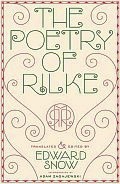 We know that the main domain of poetry is contemplation, through the riches of language, of human and nonhuman realities, in their separateness and in their numerous encounters, tragic or joyful. Rilke’s powerful Angel standing at the gates of the Elegies, timeless as he is, is there to guard something that the modern era—which gave us so much in other fields—took away from us or only concealed: ecstatic moments, for instance, moments of wonder, hours of mystical ignorance, days of leisure, sweet slowness of reading and meditating. Ecstatic moments—aren’t they one of the main reasons why poetry readers cannot live without Rilke’s work? I mean here readers of contemporary poetry who otherwise are mostly kept on a rather meager diet of irony. The Angel is timeless, and yet his timelessness is directed against the deficiencies of a certain epoch. So is Rilke: timeless and deeply immersed in his own historic time. Not innocent, though: only silence is innocent, and he still speaks to us.”
 From my interview (I had cited this in an earlier post last fall, when Adam’s name came up again for a Nobel), when I asked him about the future of poetry and poetry-lovers in the world of tweets and sound bites he said this:
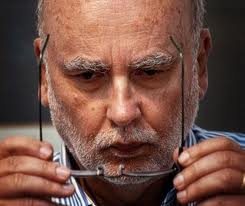
“We’ll be living in small ghettos, far from where celebrities dwell, and yet in every generation there will be a new delivery of minds that will love long and slow thoughts and books and poetry and music, so that these rather pleasant ghettos will never perish — and one day may even stir more excitement than we’re used to now.”
By the by, Patrick Kurp of Anecdotal Evidence has a review of Unseen Hand here.

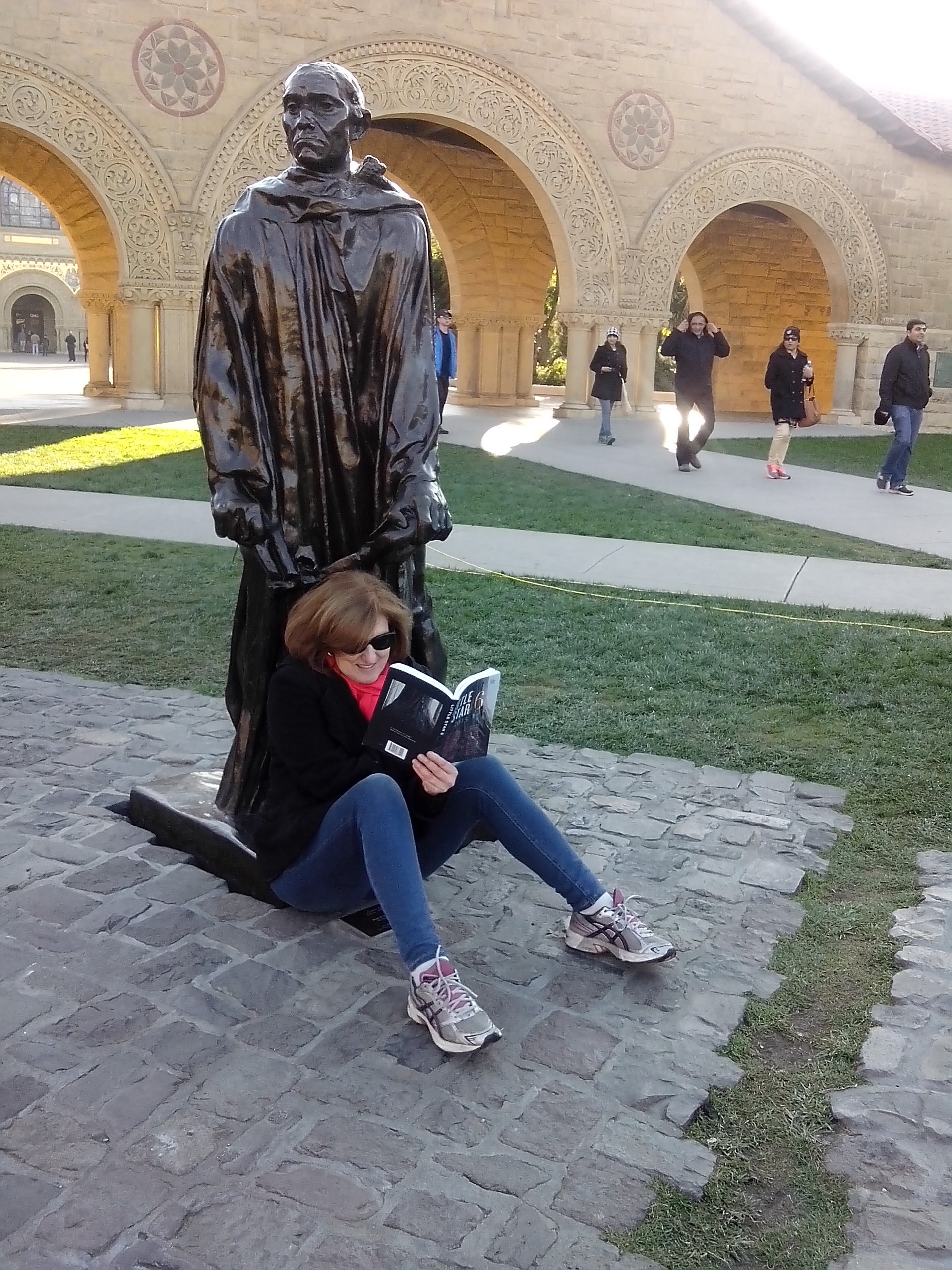
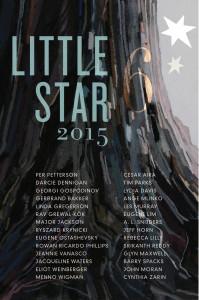 Little Star is “a sophisticated, wise and fierce little magazine. Filled with works in translation, painfully underrated writers like the brilliant Kathryn Davis and lovingly put together, I was impressed with it from start to finish,” writes Jessa Crispin. Added John Banville: “A very fine venture indeed… everything such a magazine should be.”