
It’s been an angry year for many people the world over. And we can hear that anger as a backdrop to the conversations here, outside Philadelphia, where The Book Haven is otherwise immersed in poetry at the West Chester Poetry Conference this weekend. A few days ago we reposted some remarks by the late Susan Sontag. Here are a few observations about her from Craig Seligman, author of Sontag & Kael: Opposites Attract Me.
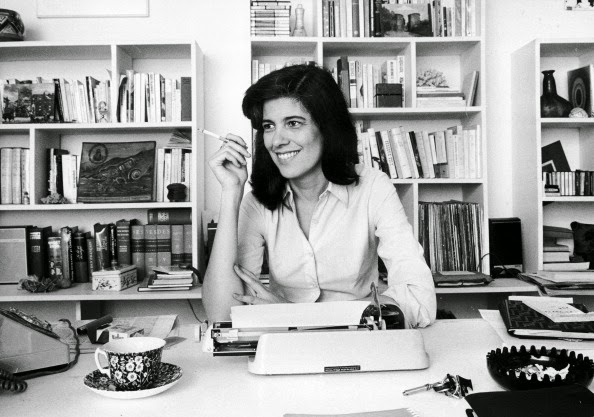
Sontag in 1972. The very act of writing implies the opposite of despair.
She never claimed she never erred; in fact, she took pride in correcting her errors. But she was always an angry writer, and her anger angered her readers, roiling around in the mind until – magically – it settled into thought.
She was angry at the philistinism of the consumer culture into which she had the good and bad luck to be born, and what I feel most bereft over is the loss of that anger, since more than ever it seems like the only rational response to the society we live in. One reason, I believe, she so often limited her literary essays to praise was that once she started in the other direction she couldn’t stop. She didn’t handle her anger gracefully. That was why I never thought of her as a great political writer. The greatness was in her cool, hardheaded essays on aesthetic matters; as an aesthete defending the senses against the intellect, the new against the established, silence against noise, she was magnificently coldblooded. But she was hotblooded and hotheaded when she turned to politics. I still find myself backing off nervously from her vitriolic essays and speeches on the Vietnam War, even as I endorse the politics behind them. In those writings, frantic rage (“We are choking with shame and anger”) is motivated by a frantic need: to do something – namely, to stop the war. And for all the incendiary rhetoric, the spewing fury, the bitter eagerness to bite the hand of America, the urgency of the need to halt the war implied a hope – a shred of hope. Something could be done. The war could be stopped.
The political writing of her final years is different. I’m referring to her profoundly humane and reflective 2003 essay “Regarding the Pain of Others,” whose theme was atrocity pictures, and its magisterial pendant — written when she was already sick with the cancer that would, after 30 years, finally kill her – her 2004 essay “Regarding the Torture of Others,” on the Abu Ghraib photographs. The quality of the prose in those writings has changed because the quality of the anger has changed. But given the disheartening events that elicited that shift, not even Sontag — who could talk about cultural achievement with a Nietzschean absolutism that bordered on the callous could have taken much consolation from her triumph. By 2004, the United States was a society very different from what it had been even during the ugliest years of the Vietnam era, and the rage smoldering beneath every sentence of that great, judgmental final essay was a different order of rage: a rage without hope. Speaking out, speaking angrily no longer had a goal so simple as stopping the war, because the war was, in the phrase she hammered at with disquieting control, an “endless war.” “The torture of prisoners is not an aberration.” “The photographs are us.”
Those are despairing words, and since November that despair has become widely shared. But despair isn’t really a Sontagian emotion. It’s worth noting that her repeated “endless war” carefully avoids the easy, even useful echo of Orwell’s “permanent war”; the conditions of “1984” don’t exactly apply to the current situation. It’s worth further noting that this kind of care with words implies the opposite of despair. The very act of writing implies the opposite of despair.
Read it here, with more reminiscences than these.
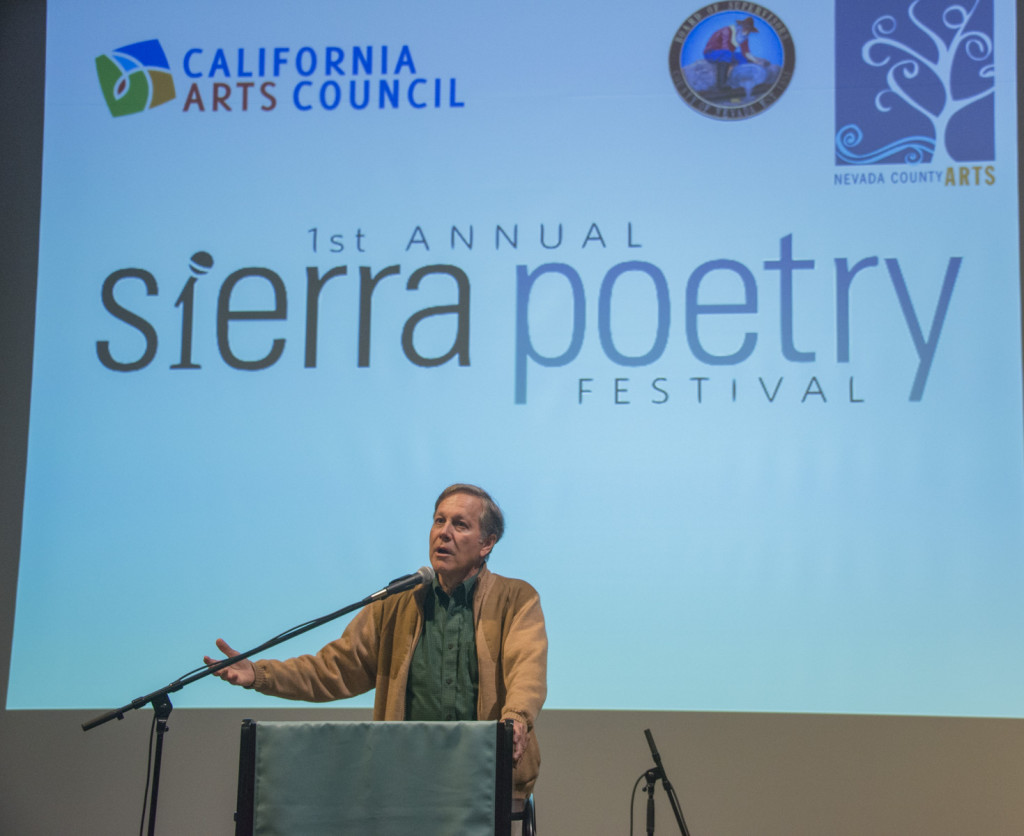


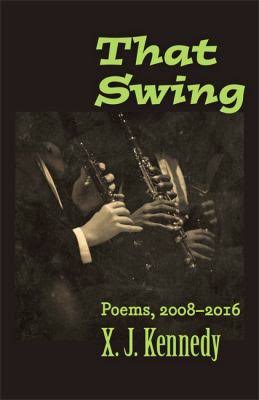 “Kennedy’s standing as a poet recalls the late Thomas Berger’s as a novelist. Berger, the author of some of the funniest novels in the language, always denied being a comic writer, because, in our culture, humor is regarded as suspiciously frivolous. But consider the serious humor of Kennedy’s “Lonesome George,” devoted to a giant tortoise, the last of its species, kept in a pen at the Charles Darwin Research Station in the Galápagos Islands:
 He was primarily a historical and political novelist. He published four novels, one set in the history of the Holocaust and the state of Israel; (

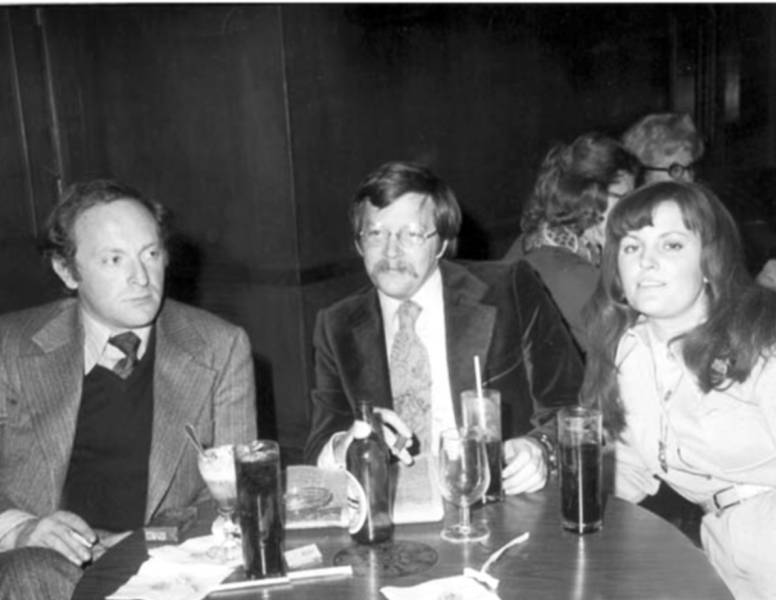
 “I got up this morning,” he said, humor mixing with alienation, “and I see Ian sitting on the kitchen counter. He puts bread in a metal box. Then the toast pops up by itself. I don’t understand anything.”
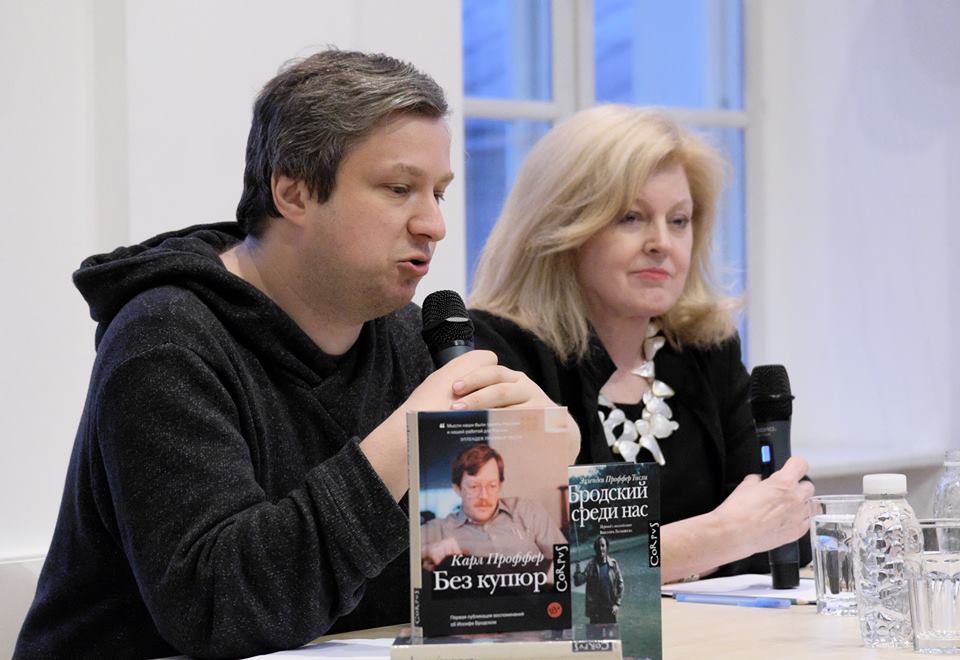
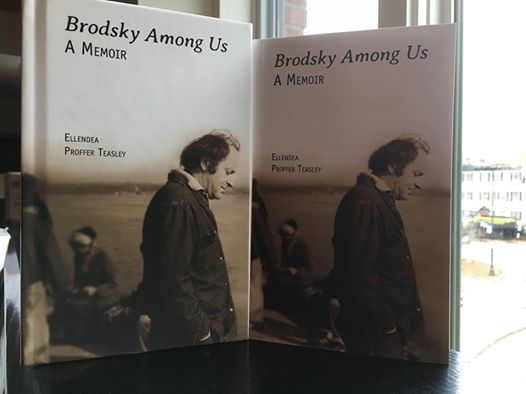
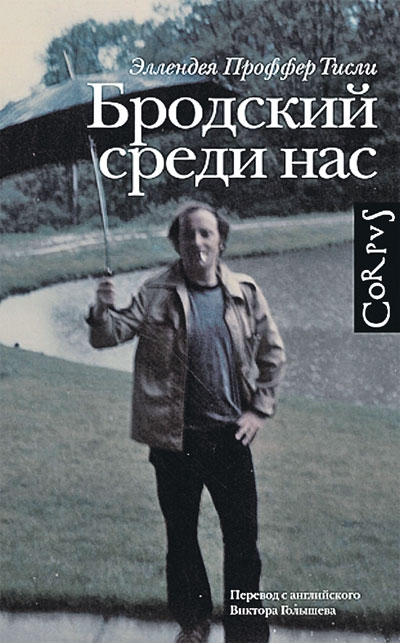 He was not cut off from his world in Leningrad: friends and scholars ferried letters, money and presents to them and information and letters back. There was always someone going or coming, including us, and there were many friends in Leningrad checking up on his parents and reporting to Joseph by letter and telephone.
 It returned me to his own words on the experience, at a commencement address in 1988: “I’m no gypsy; I can’t divine your future, but it’s pretty obvious to any naked eye that you have a lot going for you. … you’ve been educated at the University of Michigan, in my view the best school in the nation, if only because sixteen years ago it gave a badly needed break to the laziest man on earth, who, on top of that, spoke practically no English – to yours truly. I taught here for some eight years; the language in which I address you today I learned here; some of my former colleagues are still on the payroll, others retired, and still others sleep the eternal sleep int he earth of Ann Arbor that now carries you. Clearly this place is of extraordinary sentimental value for me; and so it will become, in a dozen years or so, for you.”