Botero’s visit in NYC: and here’s how he got away!

Share
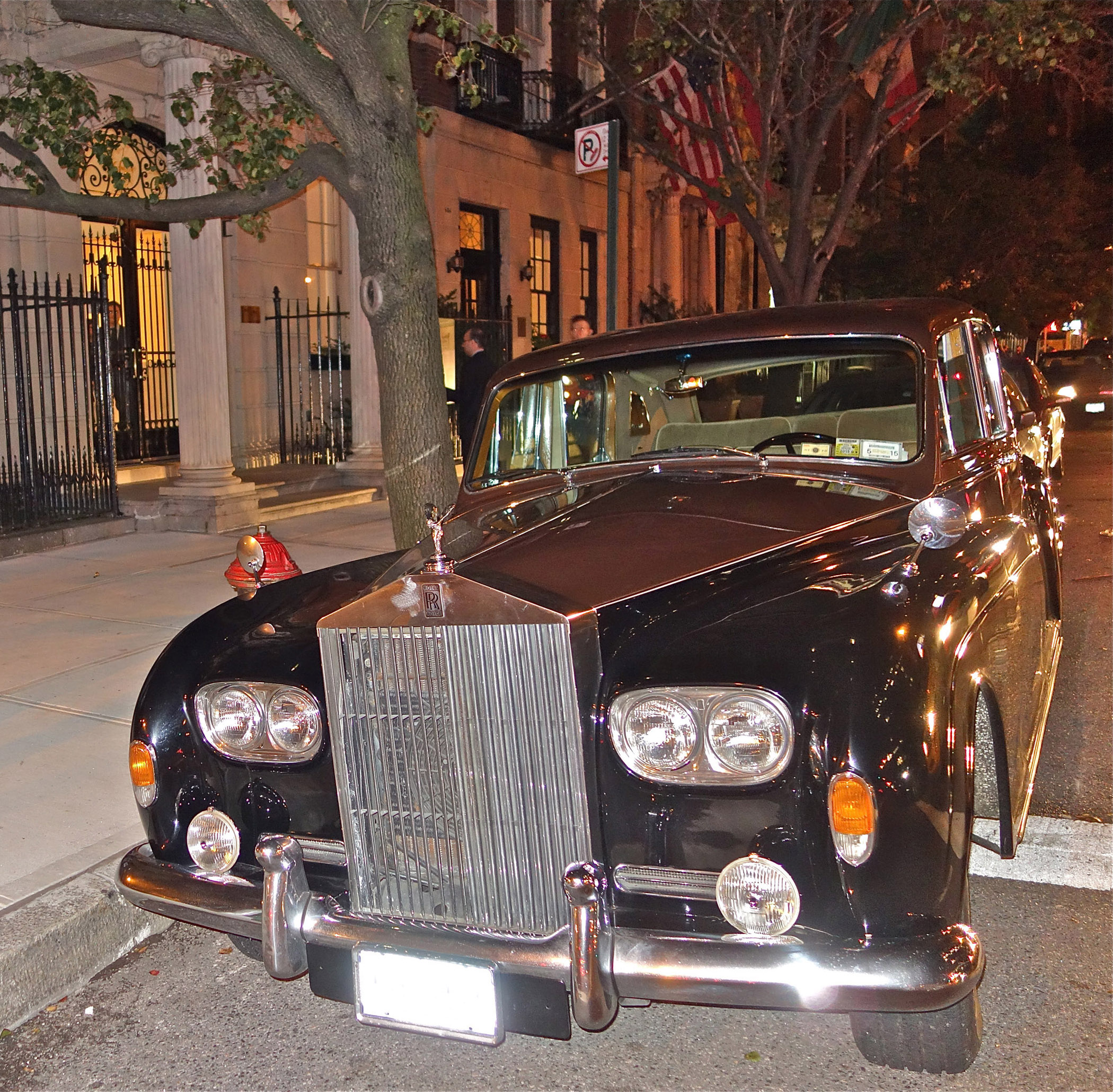
Fernando Botero's Rolls, NYC 10/16/2014

Book Haven’s photographer caught his chauffeur-driven car. (Photo: Zygmunt Malinowski)

Yesterday, we wrote about Colombian artist Fernando Botero‘s book launch in New York City – here. However, our roving reporter-photographer Zygmunt Malinowski forgot to send a photo of this part of the event: the getaway car. “His chauffeured car, which looked like an antique Rolls Royce, was parked in front  of the Americas Society,” he wrote. Then he added, “Well isn’t that Rolls really nice?” We think so, and are ready for a spin whenever Mr. Botero is. (Who says there’s no money in art?)

.

Colombian artist Fernando Botero launches book in NYC

Share
2Foto © Zygmunt Malinowski.JPG

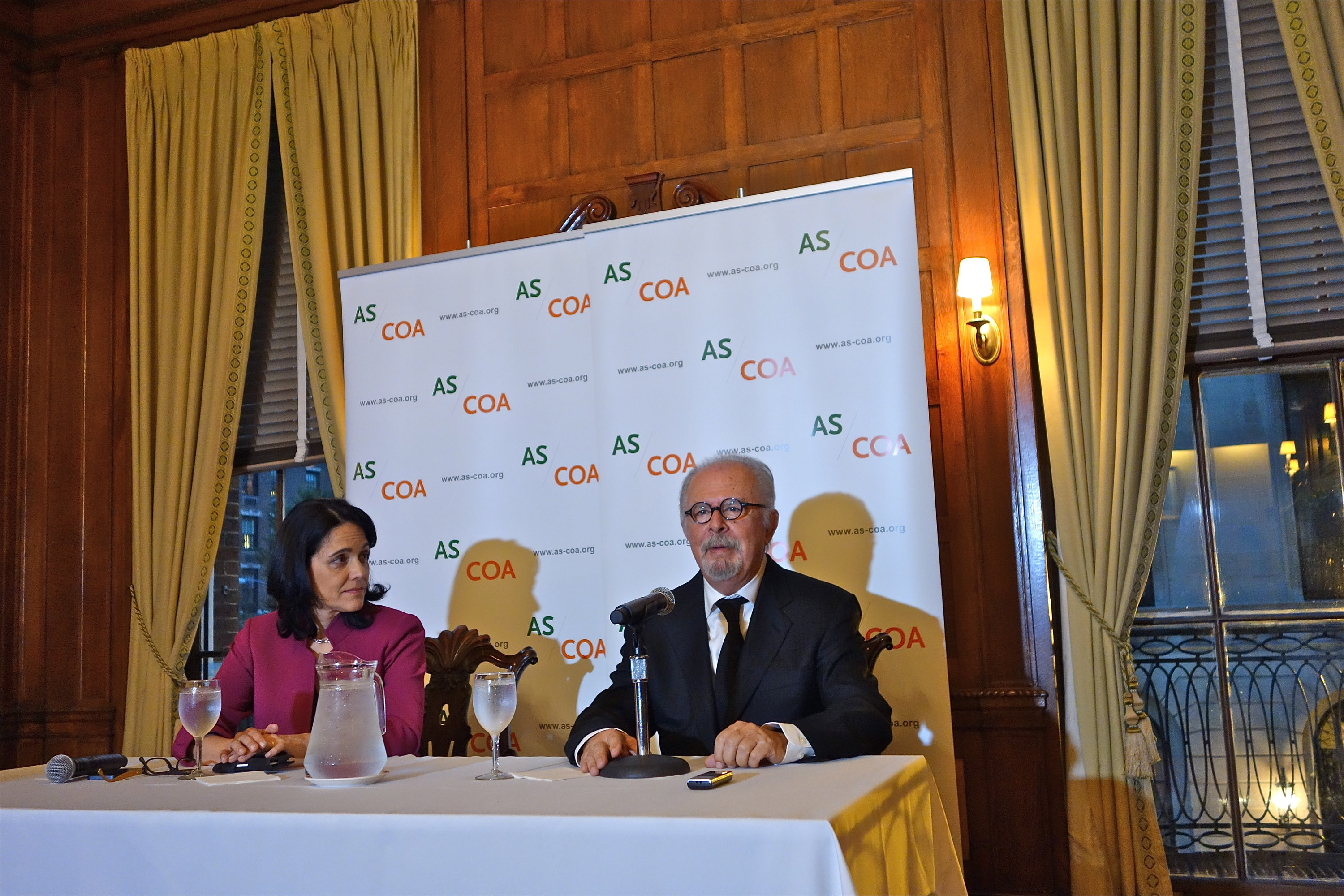
Adriana LaRota and Fernando Botero in NYC (Photo: Zygmunt Malinowski)

A report from our roving photographer in New York City, Zygmunt Malinowski:

Does an art book sell well in a digital age? Yes, if you are Colombian artist Fernando Botero.

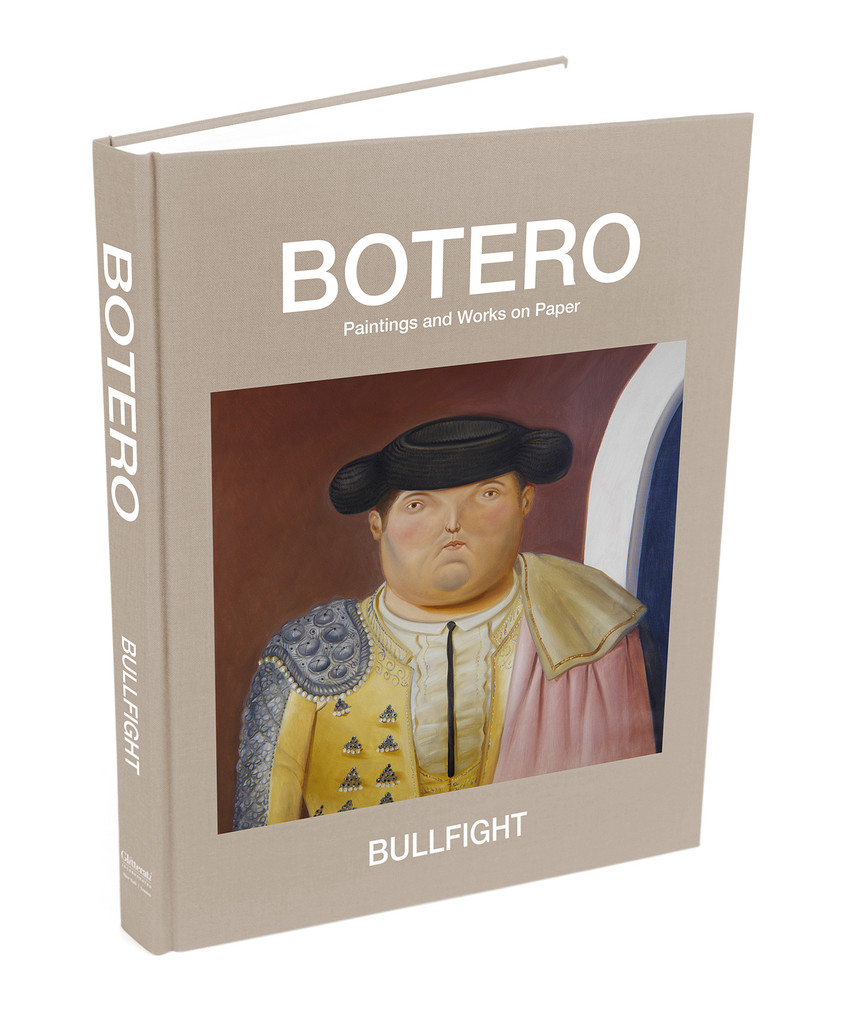
A month ago I received an intriguing email for a book launch of Bullfight: Paintings and Works on Paper (Glitterati, $125) by Fernando Botero, one of the most recognized living artists of Latin America. The event included a press conference followed by a book-signing. The artist is best known for his voluptuous sculptures and paintings.botero1

I recalled that in the 1990s his large generous sculptures standing in the median of Park Avenue caused a sensation. Since the artist is known mostly for his sculpture and paintings, not books, I didn’t know when an opportunity to meet him face-to-face would occur again, so I decided to attend.

The launch took place on October 16 at the Americas Society. Waiting in the light wood-paneled Mexican Room with other journalists for the beginning of the press conference, I was startled to hear a greeting in Spanish. I turned around and was facing the man himself, a well-dressed, good-natured gentleman accompanied by media director Adriana LaRota. With his black round horn-rimmed glasses, he could have passed for a distinguished professor, a scholar, or an eminent doctor. He looked exceptionally well for his 82 years. Botero calmly answered questions and smiled from time to time. The press conference was in Spanish with optional English, but the following session for the general audience was to be in English.

The artist later spoke about studying in Medellin, Paris, Spain, and Italy. He explained that one of his influences was the Quattrocento,  along with 15th century art and Latin colonial paintings. He established a style of his own – Boterisimo – and  answered questions about his characteristically exaggerated proportions and powerful, rotund people and figures.

3Foto © Zygmunt Malinowski.JPG

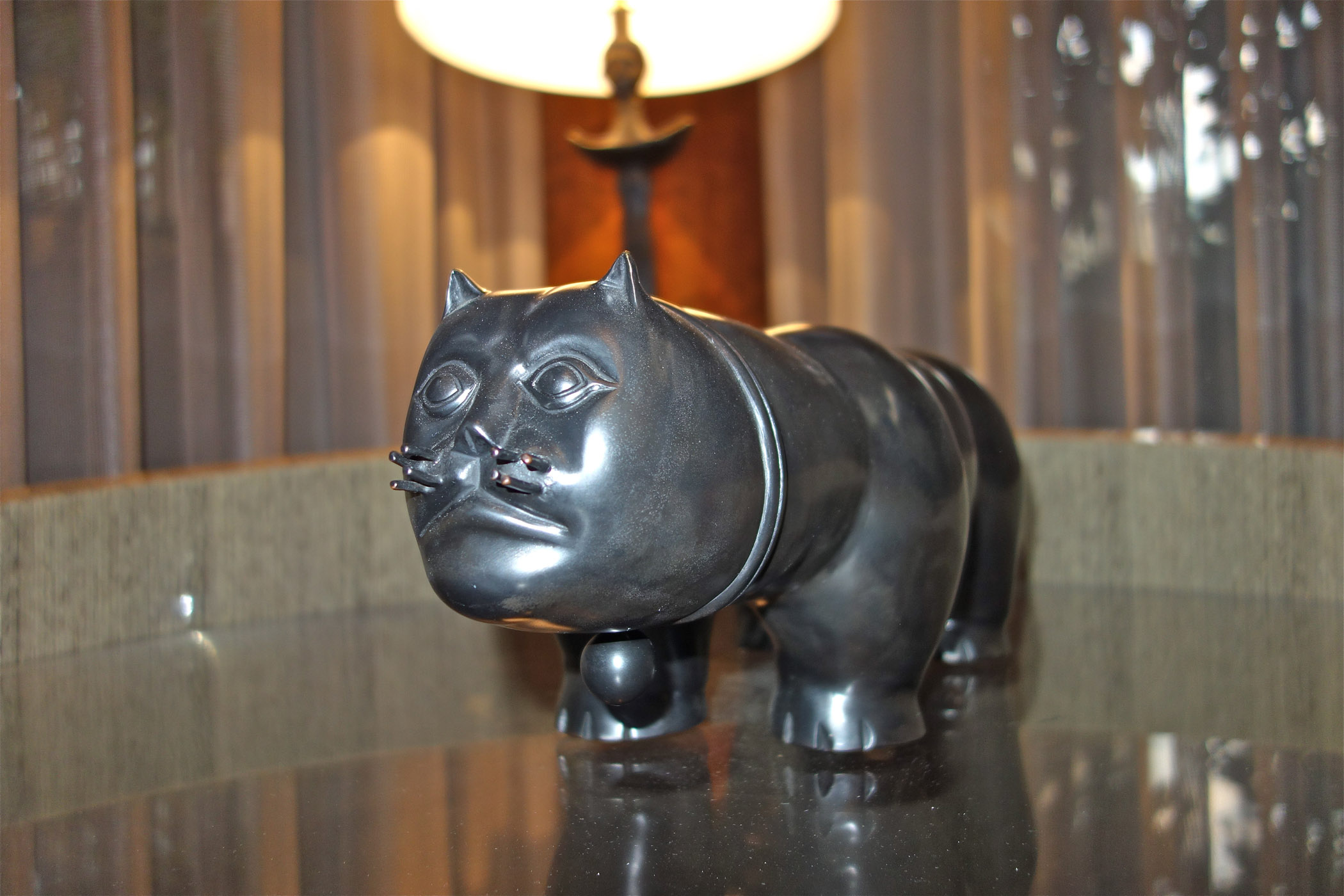
Botero’s “Gato” – a small version. (Photo: Zygmunt Malinowski)

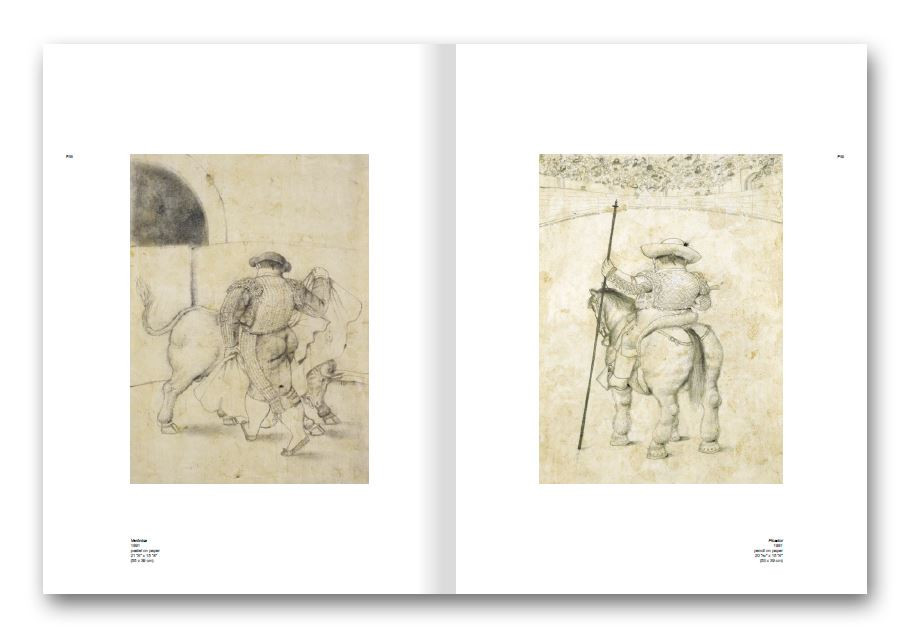
Maya Jimenez, an art history scholar, told us that Botero painted the spectacle of the bullring rather than the fight itself – that is, he portrayed the ceremony of dressed-up colorful matadors, picadors, and the audience. Botero was fascinated with bullfighting ever since he was a young boy and even attended a bullfighting school for a few months. She also discussed individual works of art – how the backward-looking figure on one of his drawings drew us into the painting, or how, in another painting, the composition with a few figures was circular and animated, and that “the scale and proportion, his trademark, is relevant to importance.”

The public’s interest in book signing was not surprising given the stature of the artist – like having Picasso visit for a day. There was a long line of well-heeled fans that stretched through the Mexican room and the entire corridor leading into the room, each person holding the large, newly purchased book and waiting to have it signed by the famous artist.

I passed the only known outdoor sculpture by Botero in New York City, a monumental and amusing cat, “Gato,” several times in the past but alas, when I went to see it again this time it was gone, sold to a client in Germany. However a statuette remains in a nearby apartment building, which I was able to photograph. It’s above right.

botero2


Nobel poet Czesław Miłosz’s life in Gdańsk remembered in photos

Share
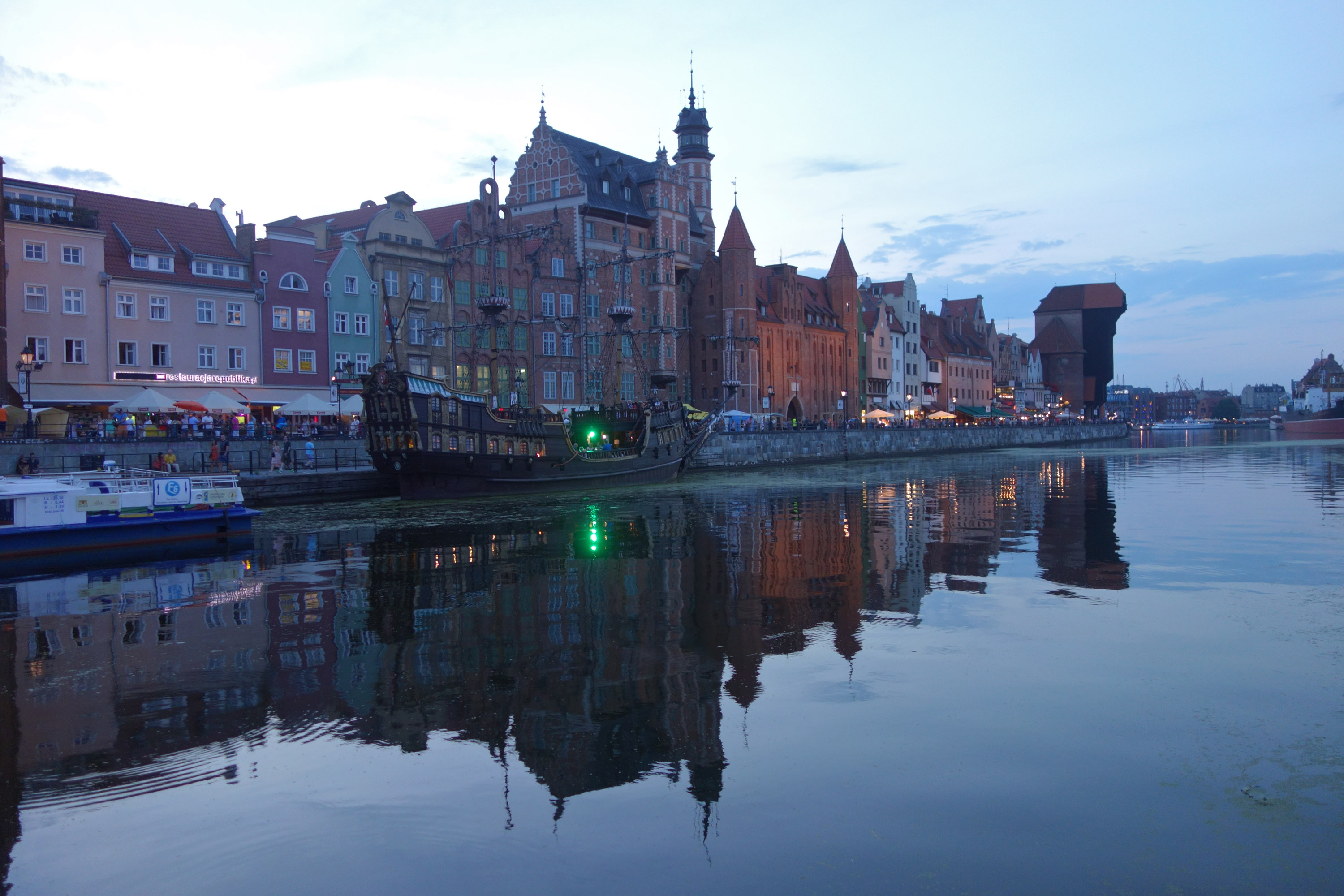
Gdansk/Motlawa. Aug, 2014

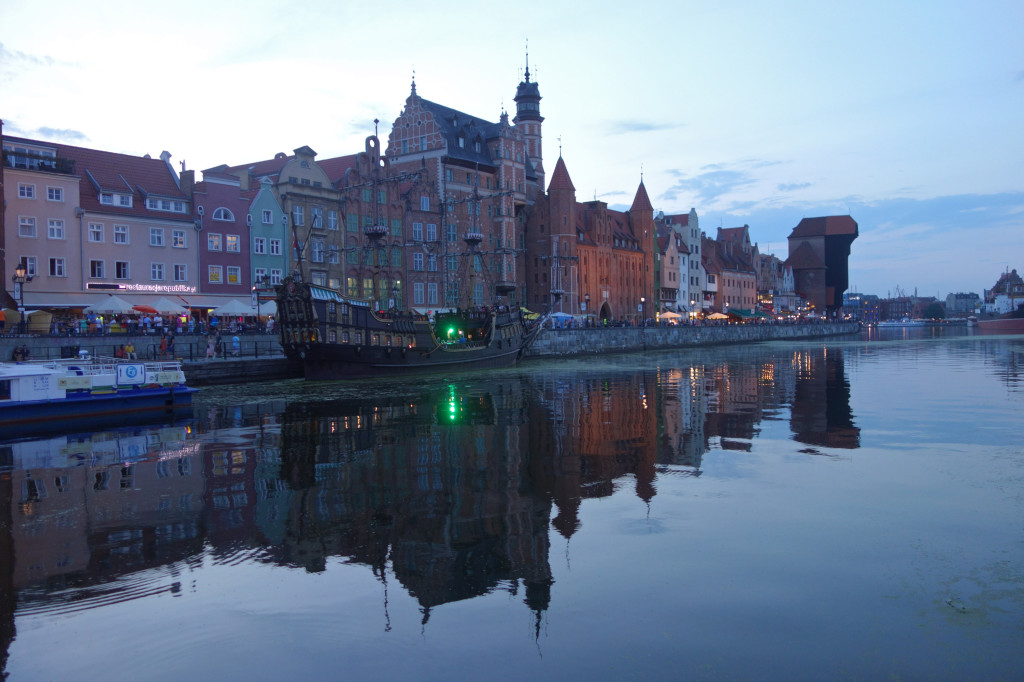
Gdańsk at nightfall, overlooking the Motława River. (All photos by Zygmunt Malinowski)

The Book Haven’s roving photojournalist Zygmunt Malinowski was far, far away from his New York City digs last month, and back in his native land – in particular, he visited Gdańsk. I didn’t remember how strongly the Baltic port is linked with Czesław Miłosz. Fortunately, Zygmunt did, and he took plenty of photos, with Gdańsk writer Stefan Chwin and Krystyna Chwin‘s book, Czesław Miłosz: Gdańsk and Vicinity, as a guide.
1foto ©Zygmunt malinowski

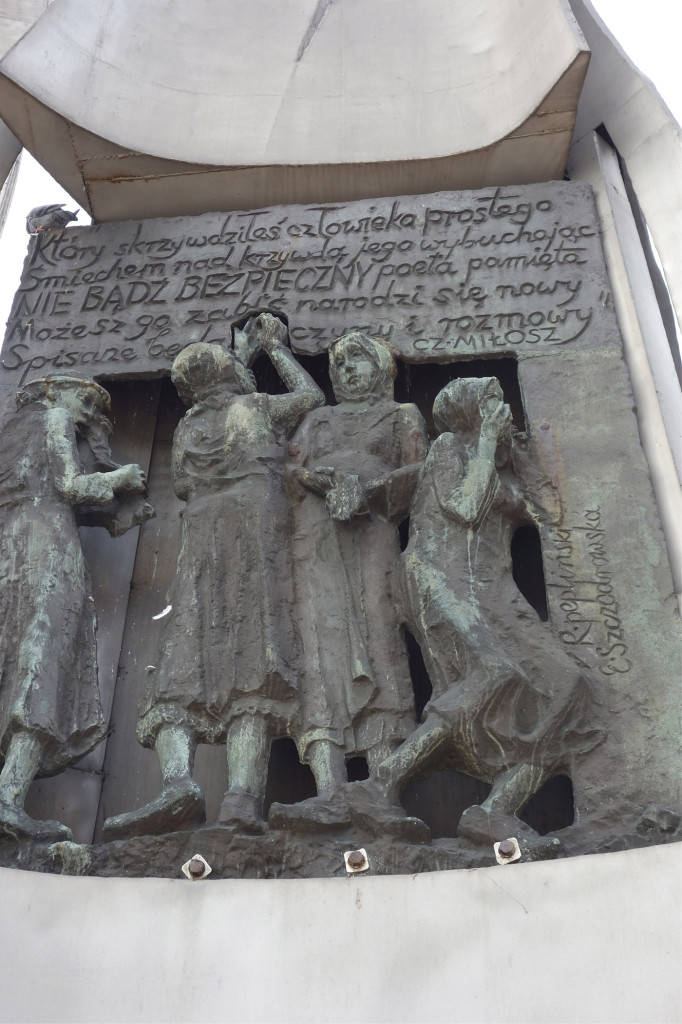
“The words are written down, the deed, the date.”

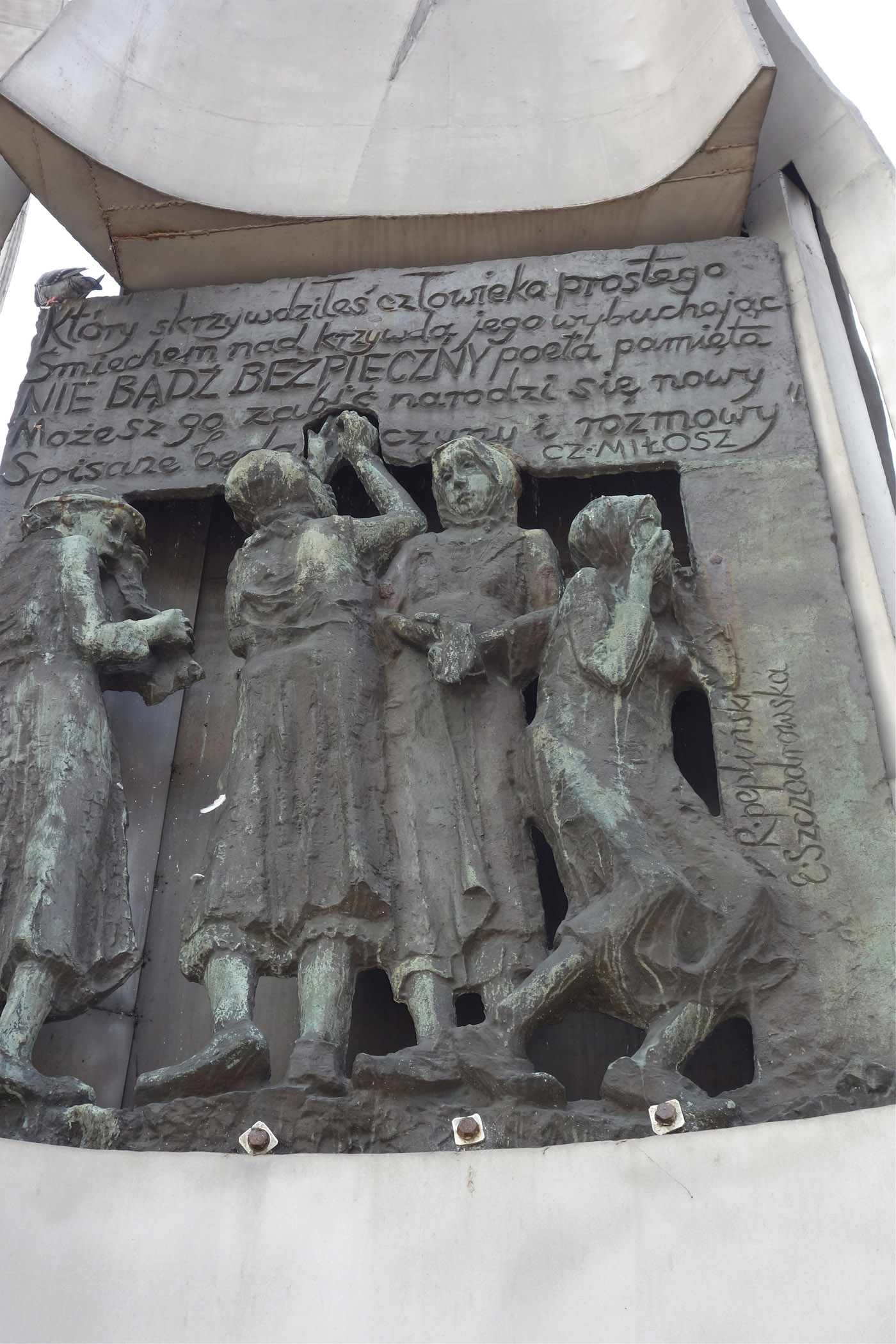
He writes: “I was invited for the opening of European Solidarity Center on August 30 – an imposing newly built museum dedicated to preserving the history of Solidarity, as well as an international institution ‘to ensure the ideals of Solidarność – democracy, an open solidarity society, and culture of dialogue – maintain a modern perspective and appeal.’ It is situated close to the Monument to the Fallen Shipyard Workers where Miłosz’s poem, ‘The Poet Remembers’ is engraved in bronze.”

The lines on the monument at right (the whole poem, “You Who Wronged,” is worth a read here): “Do not feel safe. The poet remembers./You can kill one, but another is born./The words are written down, the deed, the date.”

He is one of three people represented on the Solidarity monument, along with Nobel peace laureate Lech Wałęsa and Pope John Paul II. Miłosz visited Gdańsk the year after his 1980 Nobel to meet with Wałęsa. The Solidarity movement was in full swing, and the exiled Polish poet, returning to his homeland for the first time in three decades, was greeted enthusiastically by crowds of shipyard workers. He would come again in subsequent years (other than the years of martial law, which was imposed in 1984 and lifted in 1989), returning both as a private person and a public figure. He made a permanent return to Poland in 2000. Each visit was closely followed by local and international press.

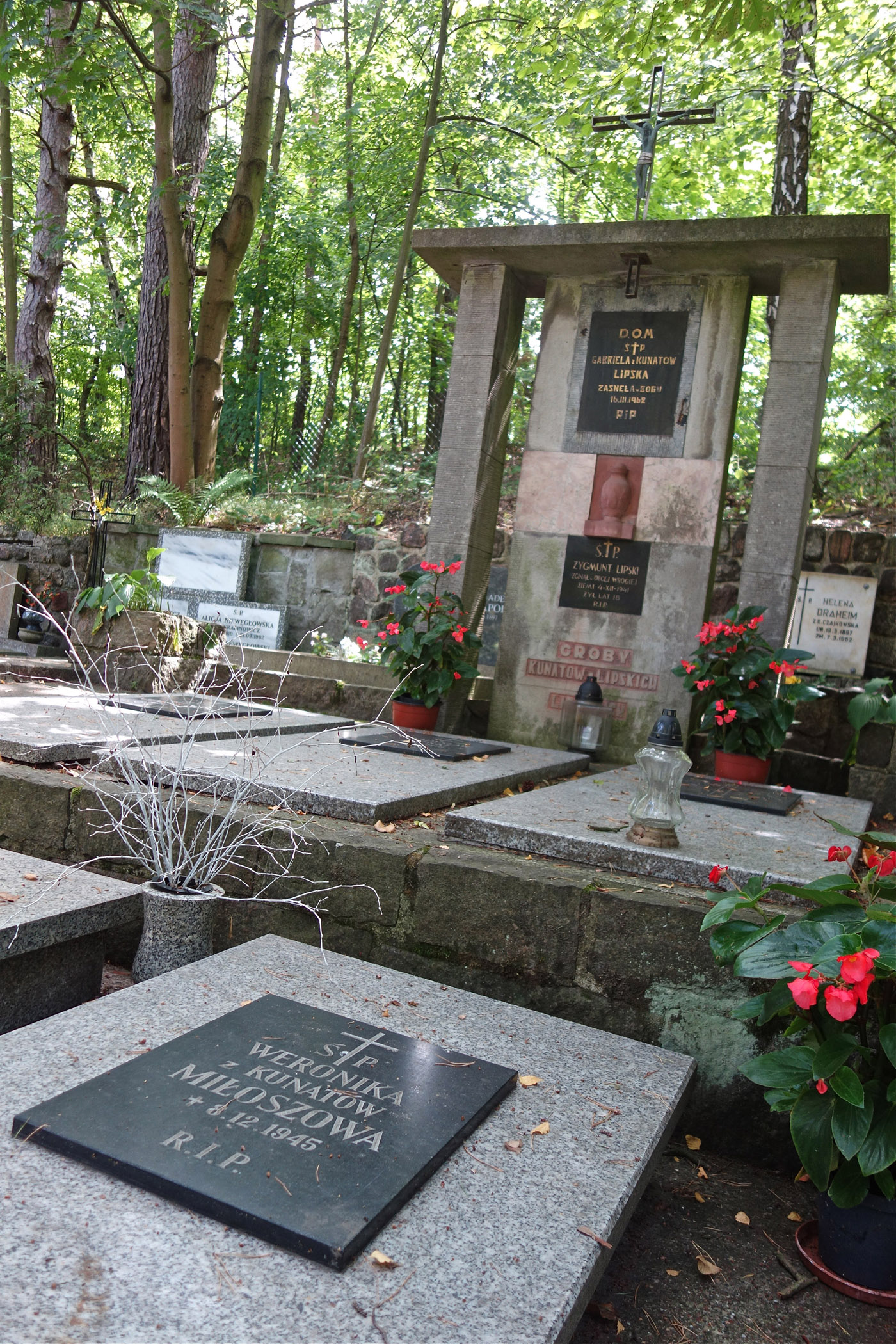
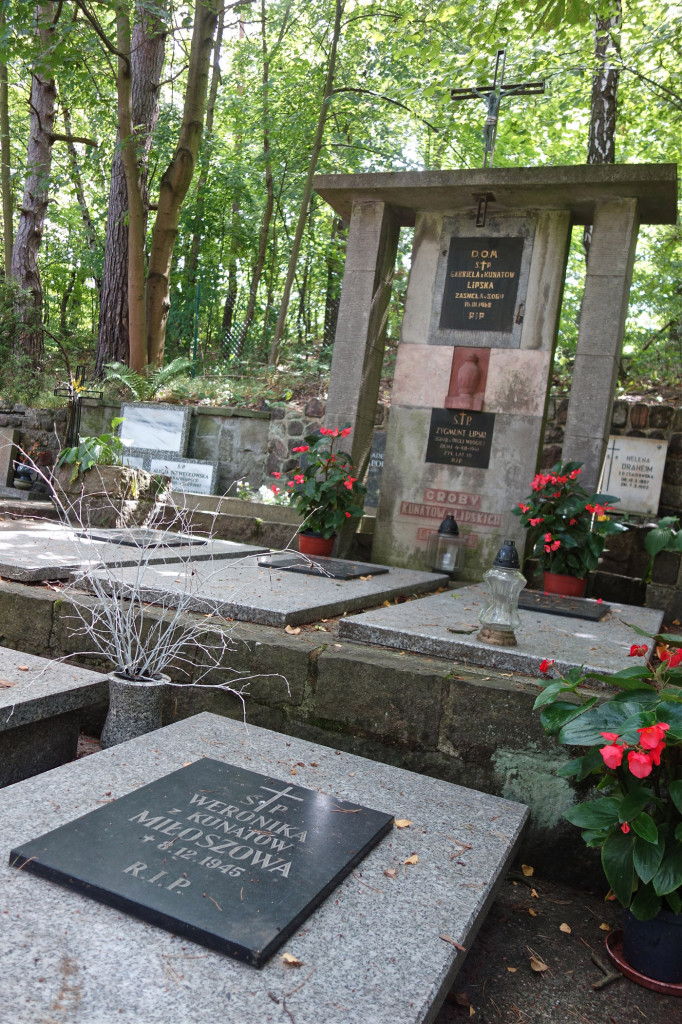
Gdańsk had sad memories for Miłosz, too, as well as happy ones: His family, including cousins as well as parents and brother were displaced by the ravages of World War II, and moved into a house in nearby Sopot. His mother Weronika Kunat Miłosz died in the nearby village of Drewnica, during a wartime typhus epidemic in 1945; she is buried in the nearby Sopot Catholic Cemetery.

“Gdańsk and Sopot, a resort town, both situated on the Baltic Sea, provide a festive atmosphere for visitors and tourists during the summer who admire its unique architecture and relax in its many friendly cafes and restaurants, entertained by street musicians and performers,” Zygmunt wrote. “Gdańsk University, School of Fine Arts, and Academy of Music add to a sense of culture.”

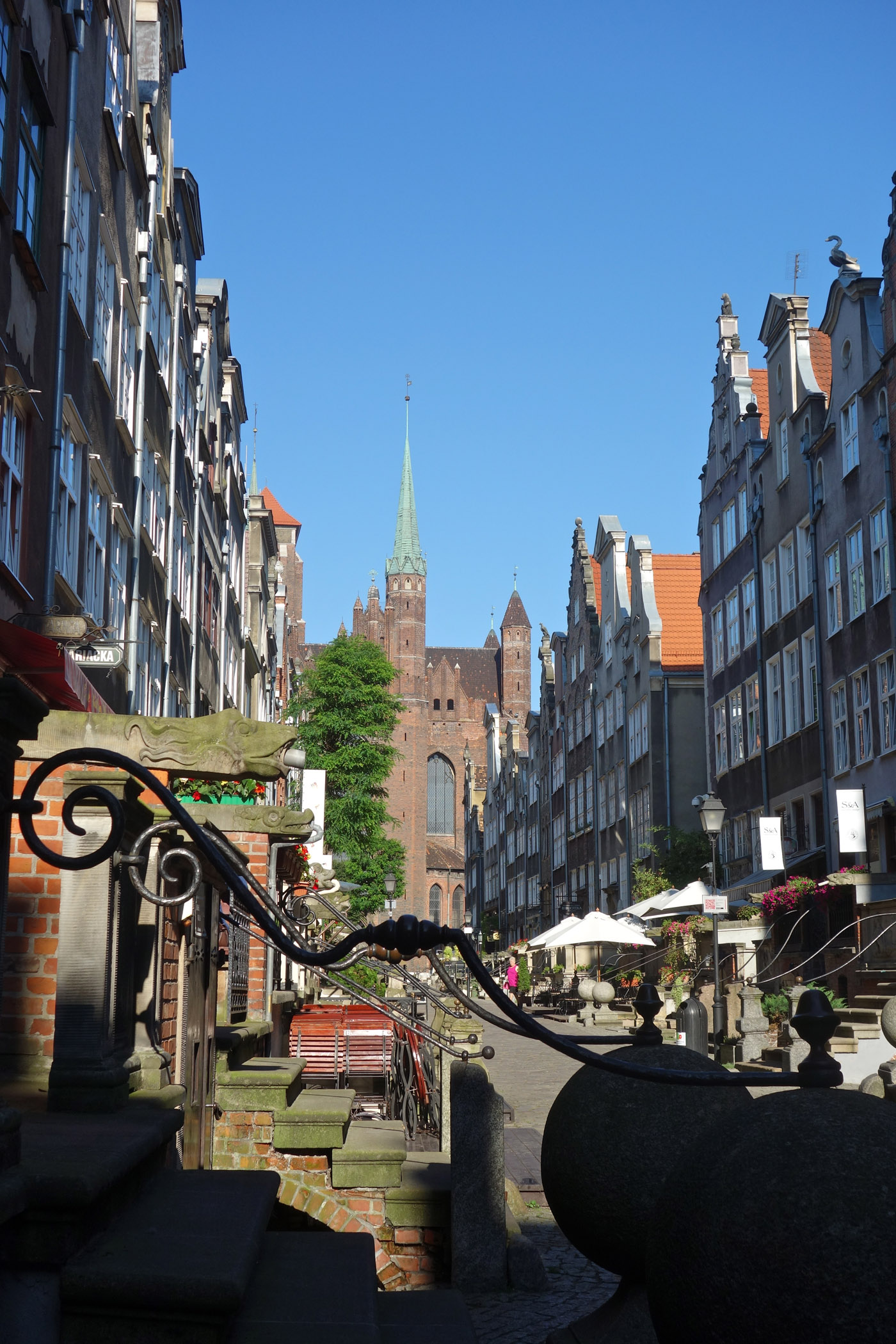
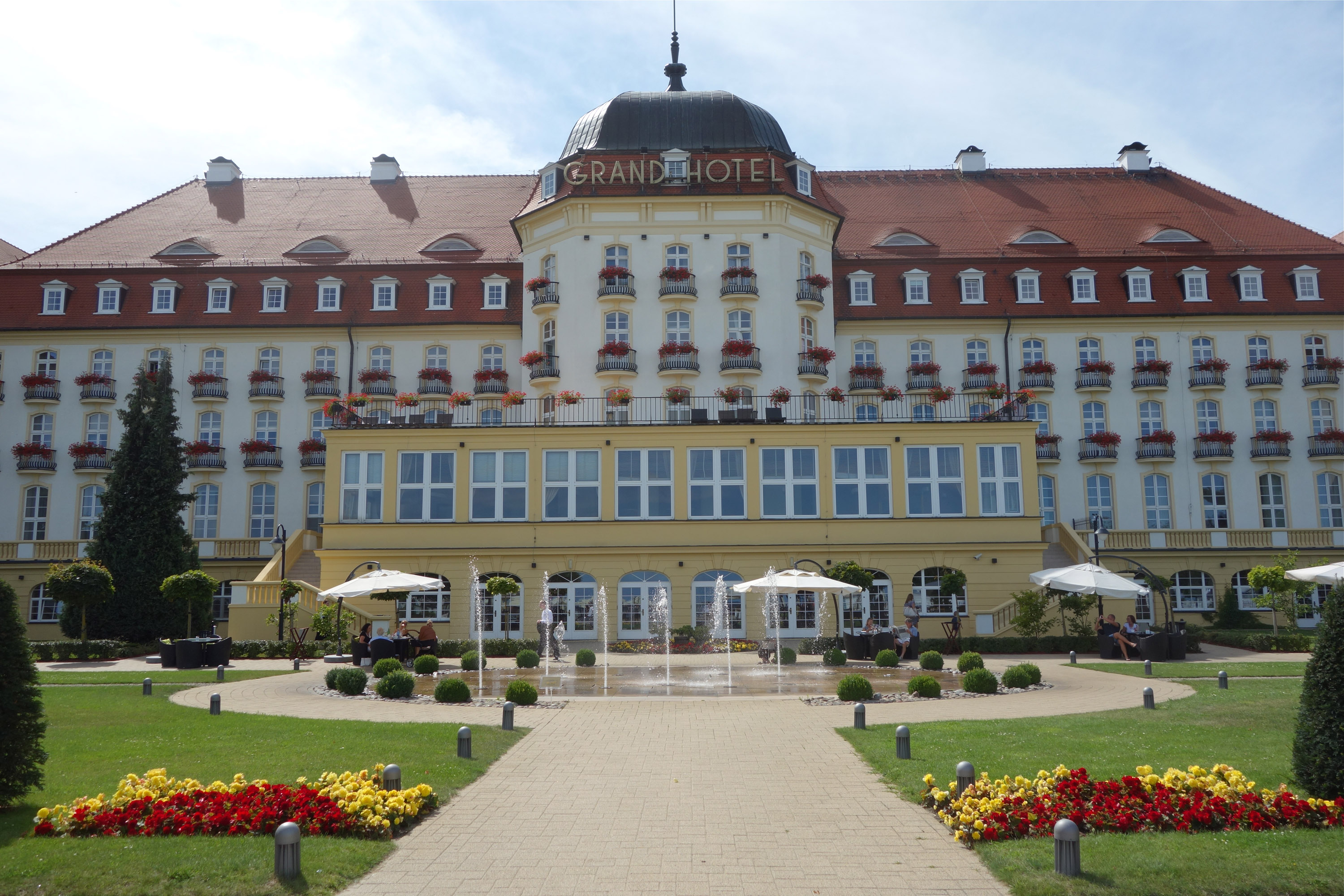
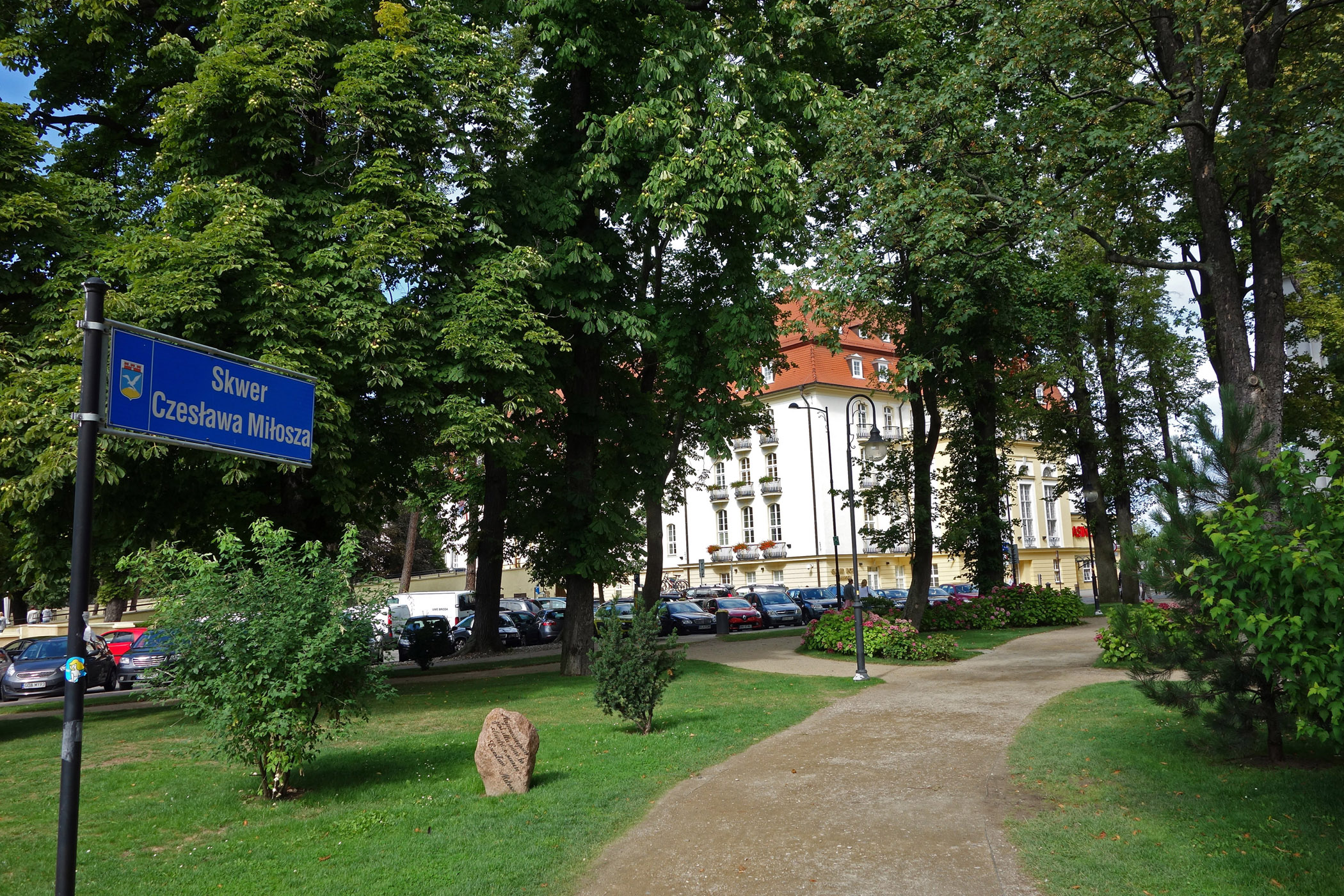
“During his visits in the 1980s and 1990s,  Miłosz gave several poetry readings, met with readers and students, was hosted by city officials, and gave press interviews. He stayed in the majestic Grand Hotel in Sopot overlooking Baltic Sea, and Hanza Hotel by river Motlawa in Gdańsk. He visited his cousins and the family grave where his mother is buried. While in the Pod Holendrem café on Mariacka Street, considered to be one of the most beautiful with elaborately carved portals, street musicians fêted him with a song for his 85th birthday [that would be 1996 – ED]. In Sopot, he was hosted at City Hall and town officials named one of the city’s green spaces in his honor.”

There’s some good news for Zygmunt in all of this, too:  “My photographs of the New York demonstrations supporting Solidarity were acquired by the European Solidarity Center for their archives. Some are being used in the museum multimedia presentation, and one was even chosen to be reproduced in large format for the permanent exhibition. Concurrent with the the center opening in Gdańsk, Sabine Weier, a known curator based in Berlin, included some of my photos in a collection for an online exhibition titled ‘Strajk.'” We’ll include the link when we have it.

More photos below.  Thanks and congratulations, Zygmunt! (All photos copyright Zygmunt Malinowski.)
3foto © Zygmunt Malinowski

The grave of Miłosz’s mother, who died in a wartime typhus epidemic, in the Sopot cemetery.
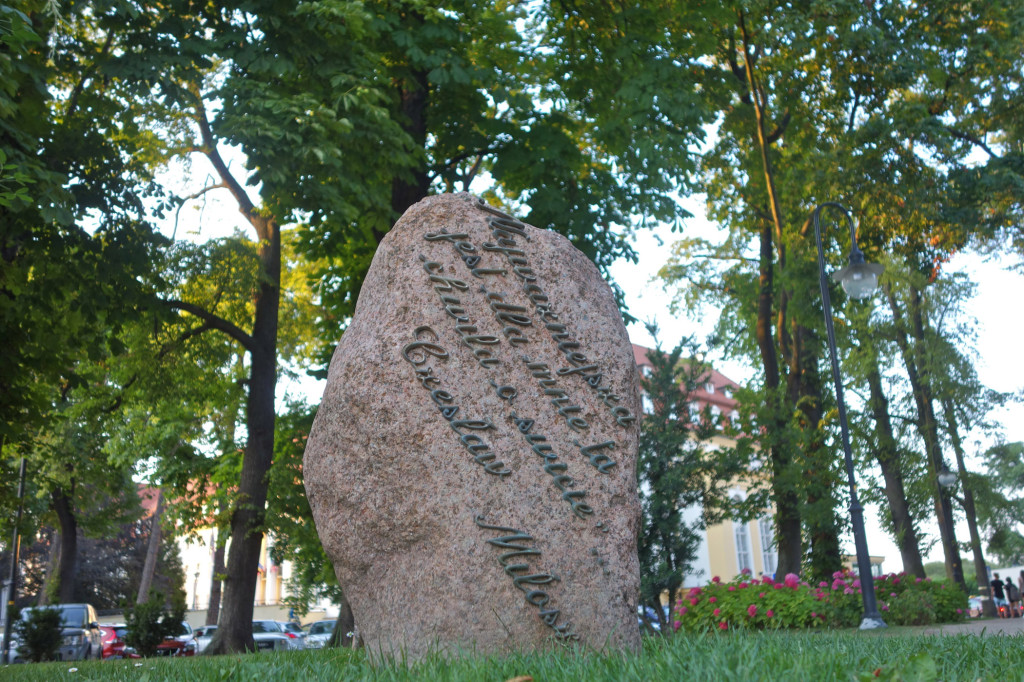
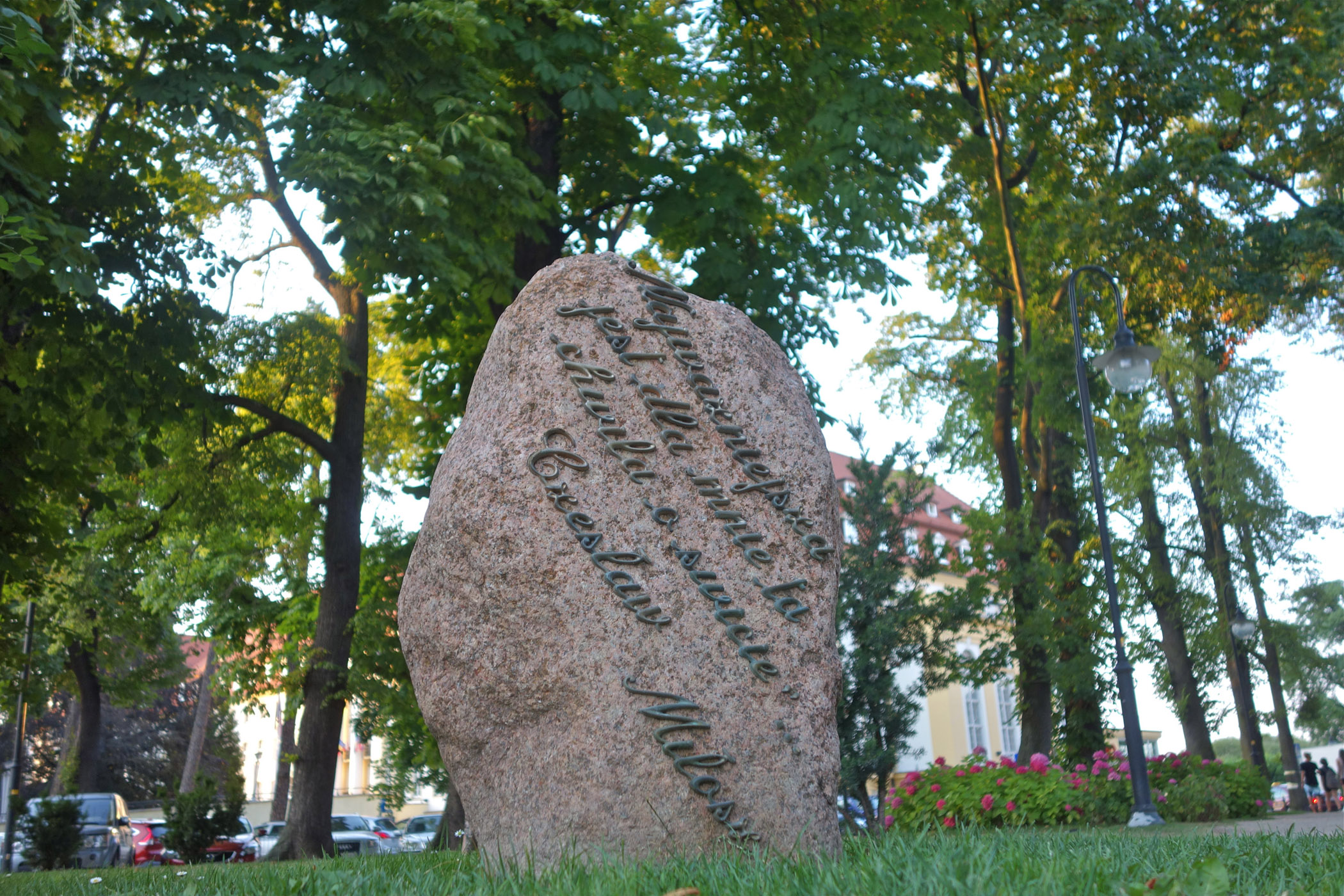
Czeslaw Milosz Square. Stone monument close up. Sopot. Aug 2014

Stone marker on Czesław Miłosz Square with his words: “For me, the most important moment is at dusk”
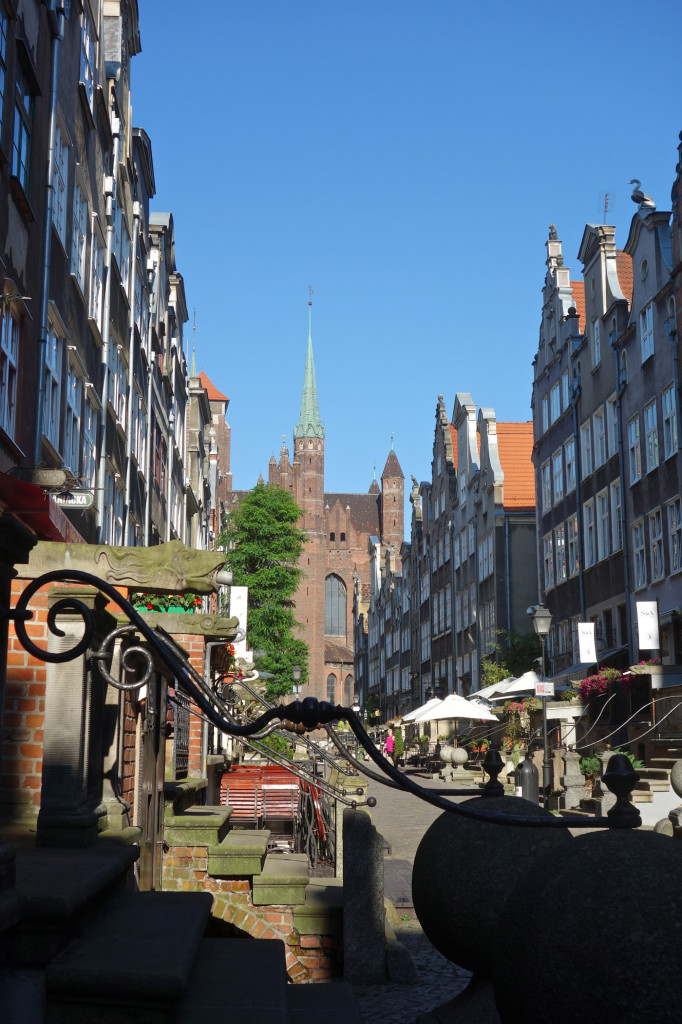
5foto ©Zygmunt Malinowski

Mariacka Street in Gdańsk.

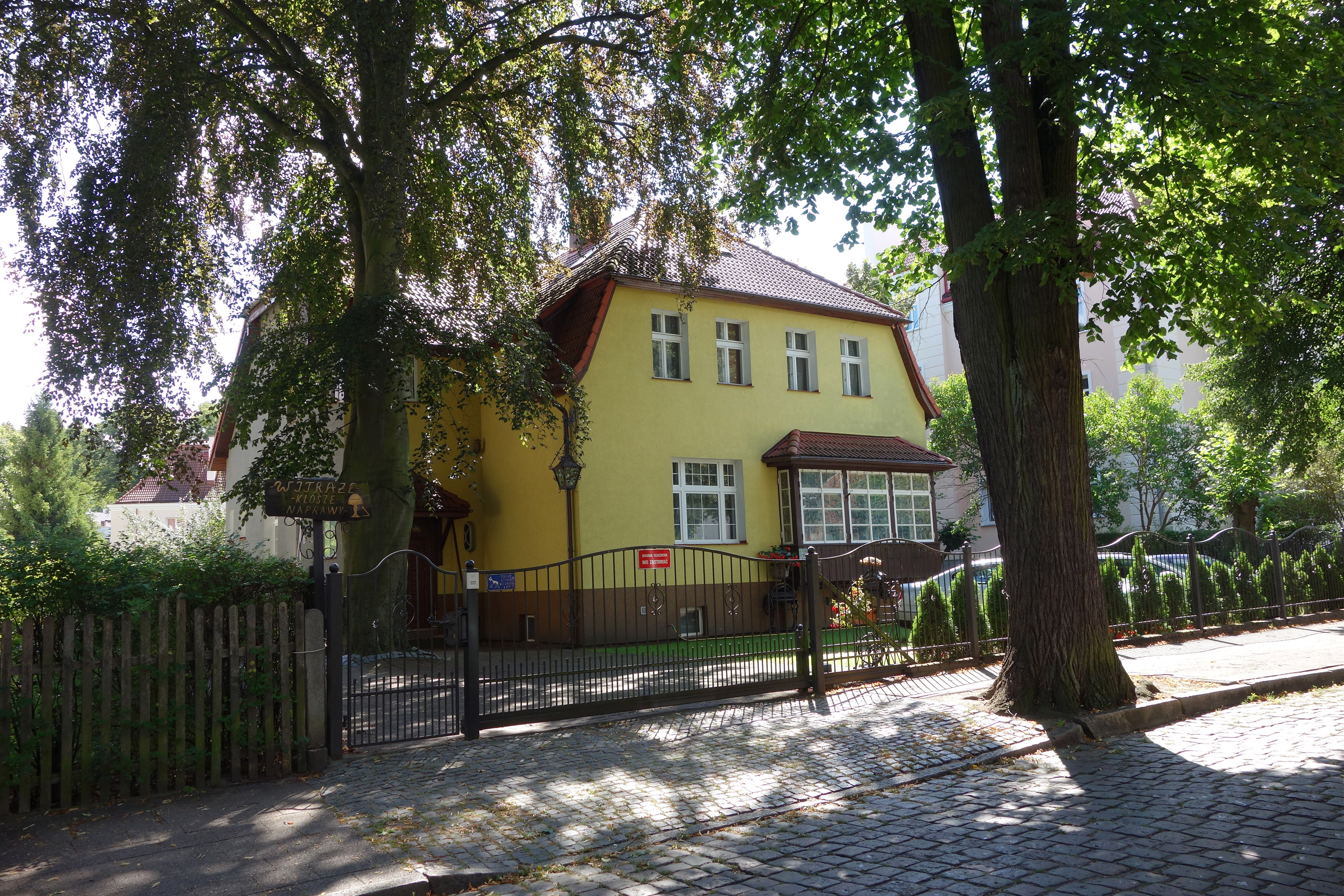
Milosz family house/contemporary view, ul Generala Wybickiego 23. Aug 2014

The former Miłosz family home during WWII on 23 Wibicki Street in Sopot. The house seems recently renovated.
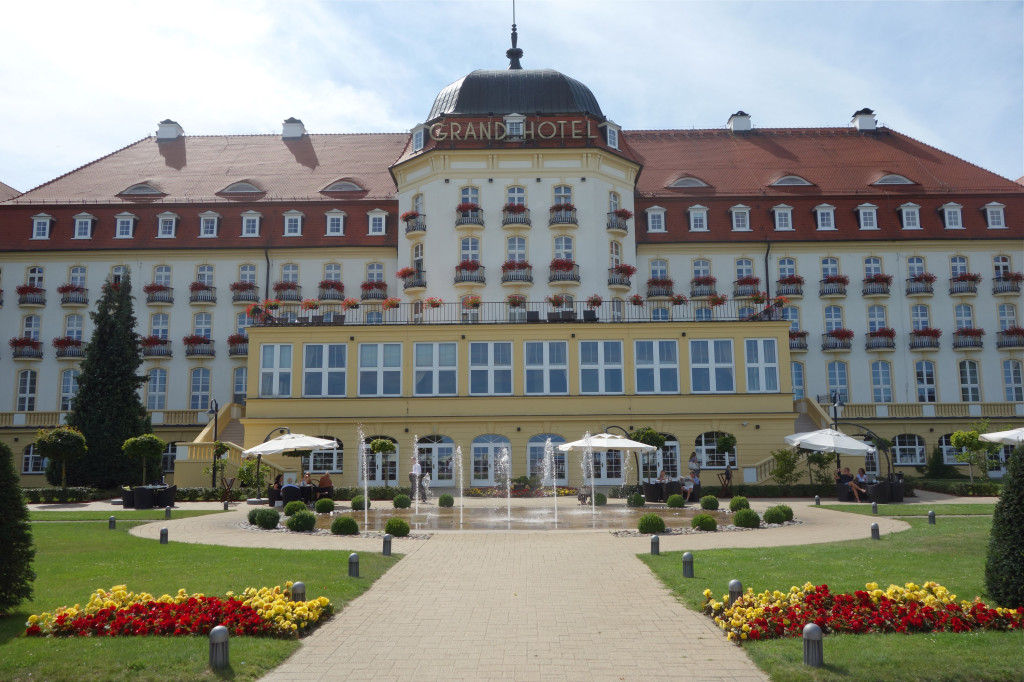
Geand Hotel/Sopot. Aug 2014

The Sopot hotel where Miłosz stayed during one of his visits.
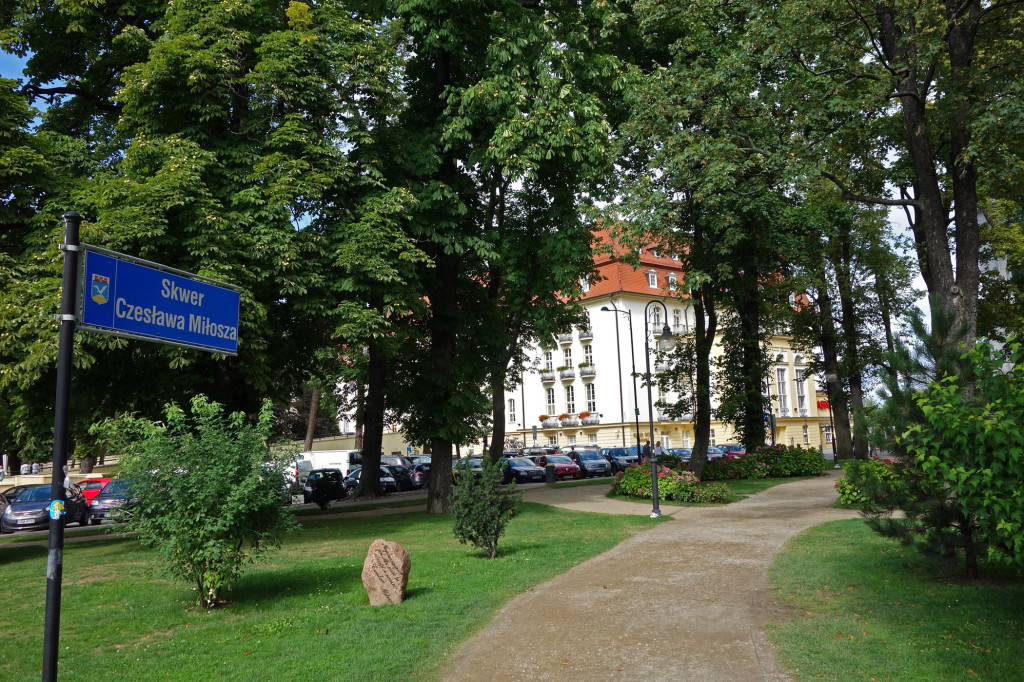
7a_foto_©Zygmunt_Malinowski

The new Czesław Miłosz Square.
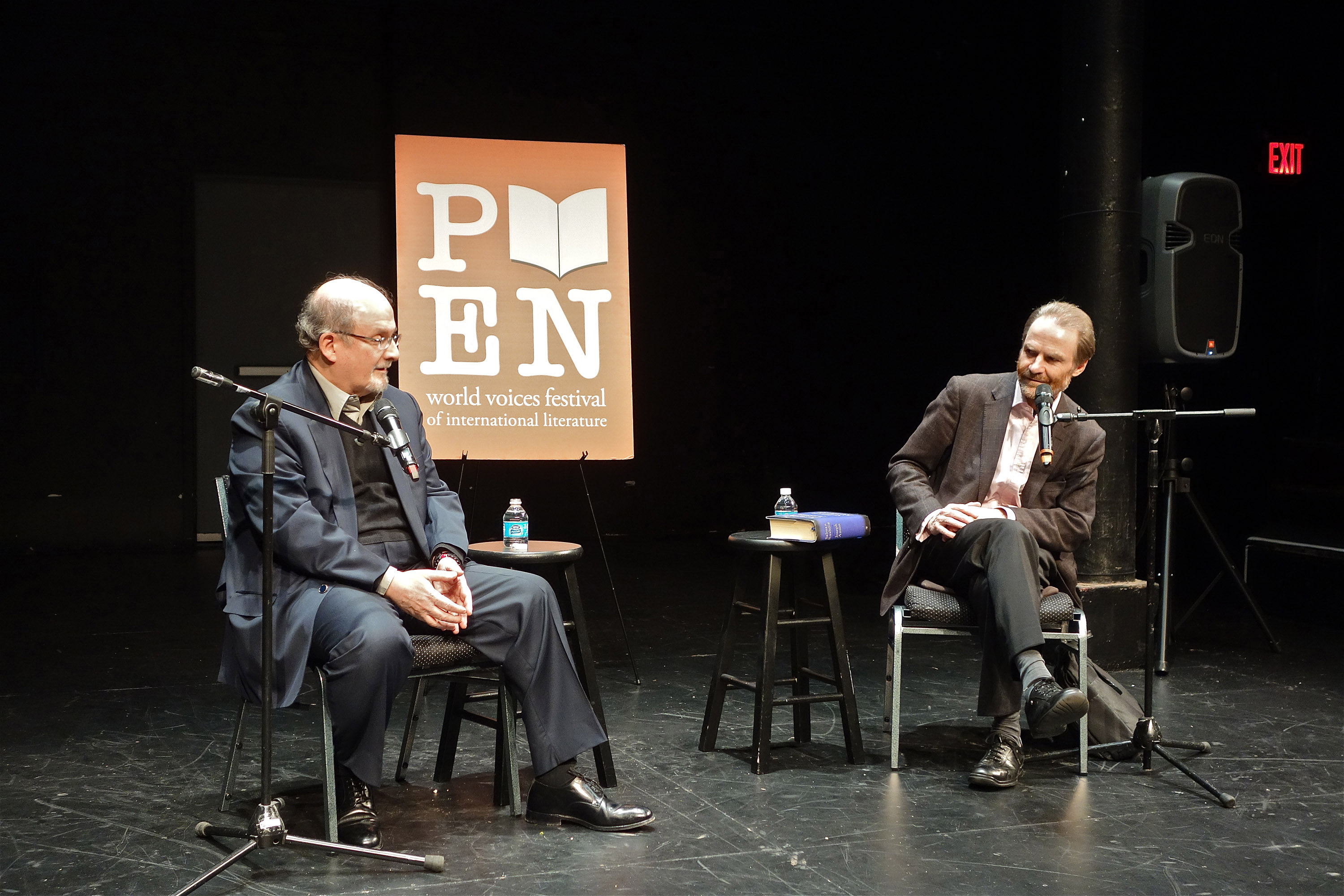
Salman Rushdie, Timothy Garton Ash chat at P.E.N. festival in NYC

Share
©Zygmunt_Malinowski_

He’s still here, 25 years after the fatwa. Rushdie and Garton Ash chat. (Photo: Zygmunt Malinowski)

“If we all had a right not to be offended by anything that offended us, no one could say anything,” said Salman Rushdie at the P.E.N. World Voices Festival in New York City, in an onstage conversation with Timothy Garton Ash.  The man who has lived under a fatwa since Valentine’s Day, 1989 hasn’t given an inch: “I would not allow one of my books to be published with passages missing,” he said.

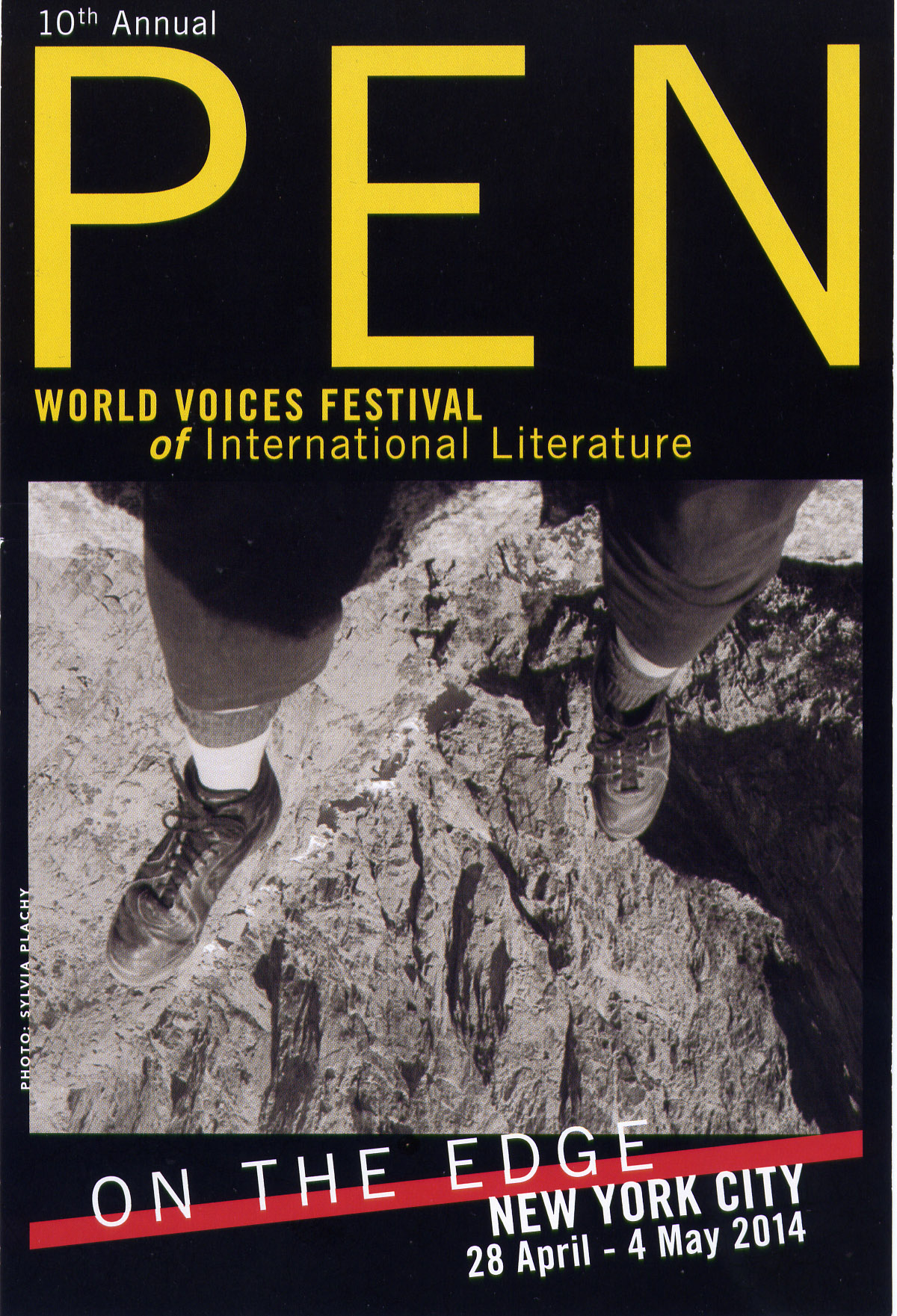
placard-1Zygmunt Malinowski recorded the event yesterday afternoon with scribbled notes and photos – alas, that appears to be the only recording of the event. However, Garton Ash’s “Basic Principles of Free Speech” are here. The Guardian columnist discussed how our idea of privacy has changed because of the internet and “that’s the side effect that we created ourselves.” Rushdie was amused at the modern “obsession with selfies.”

For its 10th anniversary, the P.E.N. Festival celebrates those who have dared to stand “on the edge,” risking their careers, and sometimes their lives, to speak out for their art and beliefs – the website is here.

Since we couldn’t attend in person, we’ll settle for Zygmunt’s account: “As I approached the stately Public Theatre downtown on Lafayette Street, I was pleasantly surprised to see a large colorful billboard advertising P.E.N. World Voices Festival. The photo on the placard, taken by the innovative photographer Sylvia Plachy, who lives near my neighborhood, is unusual. It depicts a mountain climber’s feet dangling over a precipice. It reminded me when, a few years ago, I was in an open-door vintage helicopter with my feet over the floor edge, photographing Colca Canyon in Peru, considered deepest canyon in the world. ‘On the Edge’ was the subtitle of the placard and it seemed such an appropriate image for this afternoon’s event. Weren’t writers such as Salman Rushdie, Vaclav Havel, Czeslaw Milosz or Joseph Brodsky pushing the boundaries of literature, courageously ‘offering a vantage point from which to develop a deeper understanding of the intellectual landscape around the world’?”

Isabel Allende in New York City: “Don’t expect to write the great American novel in one sitting.”

Share
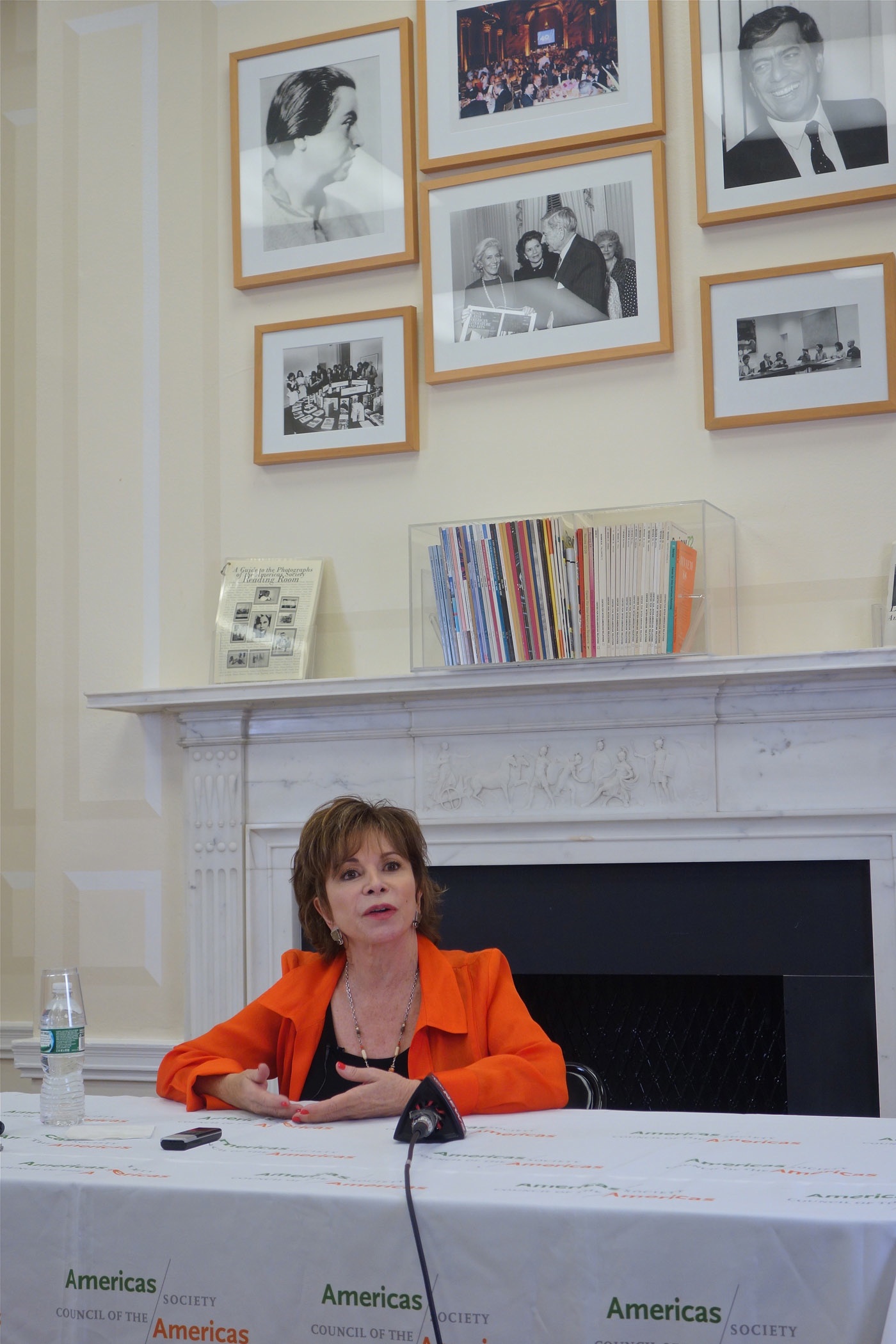
Isabel Allende, America's Society/NYC, April 15/2014

She will receive an award tonight. (Photo: Zygmunt Malinowski)

Our roving photographer/reporter Zygmunt Malinowski has been out and about this week – yesterday, he photographed renowned Chilean author Isabel Allende, hours before her public chat with Democracy Now! journalist Amy Goodman at the Americas Society, the premier New York City institution providing a forum for Latin America.  Allende will attend  the 2014 Gabriela Mistral Foundation Humanitarian Award Dinner tonight and receive an award.

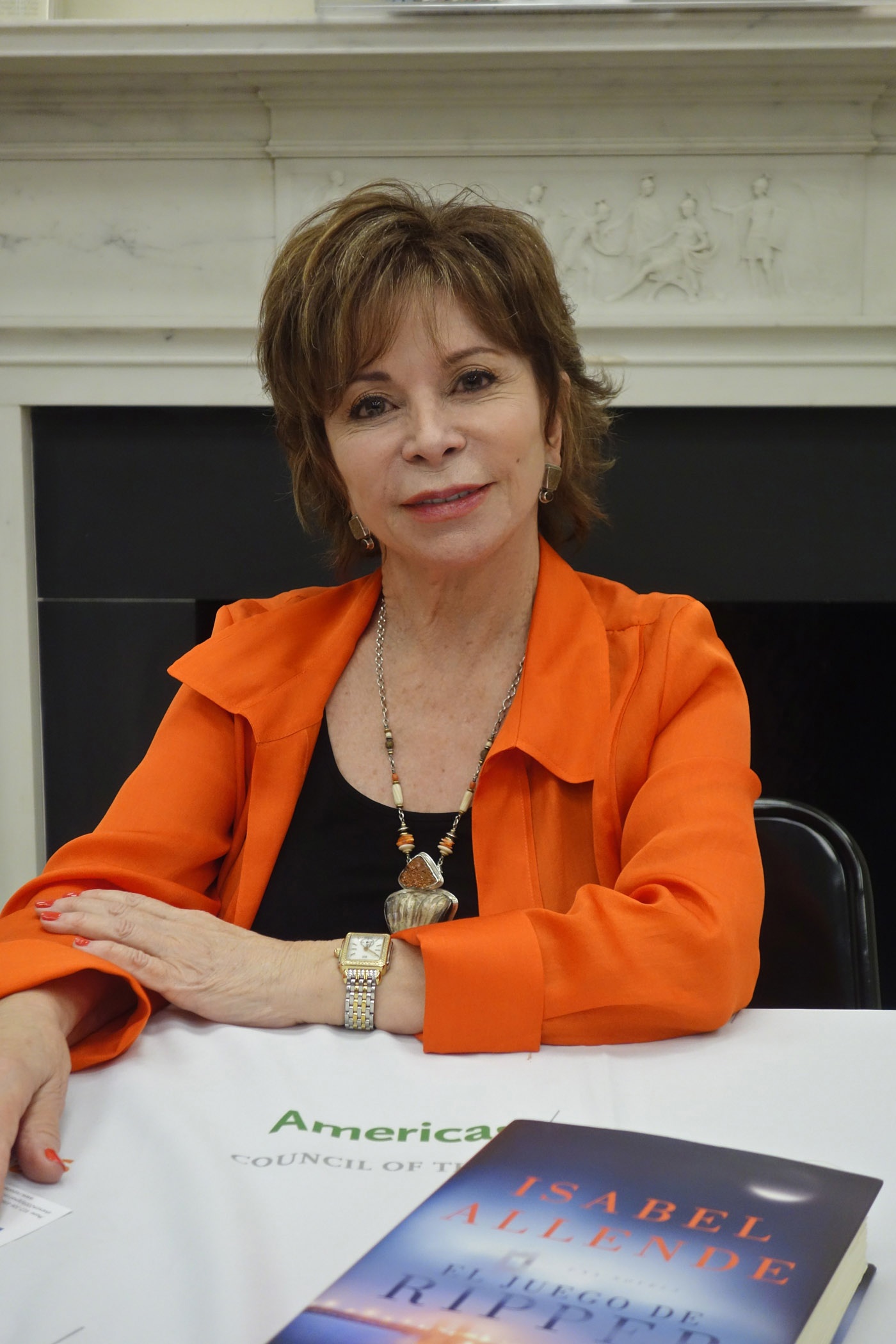
Isabel Allende, America's Society. April 15/2014

She shows up. (Photo: Zygmunt Malinowski)

Said Zygmunt: “I attended the press conference for her recent novels Maya’s Notebook and Ripper, photo-op was included, even though I had to rush and skip the public conversation because of a planned trip [webcast of the discussion is here]. Her latest book is Ripper (2014), a crime novel, was something new for her. She had a rough start and it only jelled for her when she attended a Marin County conference for crime book enthusiasts.”

“Who doesn’t remember House of the Spirits?” he said of one of the magic realist author’s successful first book, which became a major film. “The film was also popular overseas. When it premiered in Warsaw in 1994 in the Palace of Culture/Congress Hall, the three thousand-seat theatre was filled to capacity. Many dignitaries attended, including government representatives, politicians, and actors.”

From Zygmunt’s notes during the press conference:

On writing fiction:

“The first responsibility of fiction writer is to make your story believable, it has to have a solid foundation. That’s why I research.” (She used a researcher for her latest book.)

A question from Writer magazine: “What is the most important thing you learned about writing?”

“Show up. In the beginning it’s work. Later it’s pure joy.”

“Don’t expect to write the great American novel in one sitting.”

“There are only very few that make their living as writers.”  She remembered another writer who told her:  “Don’t expect your art to support you otherwise the weight will kill you.”

Manhattan’s iconic bookstore Rizzoli closes its doors today amid protests.

Share

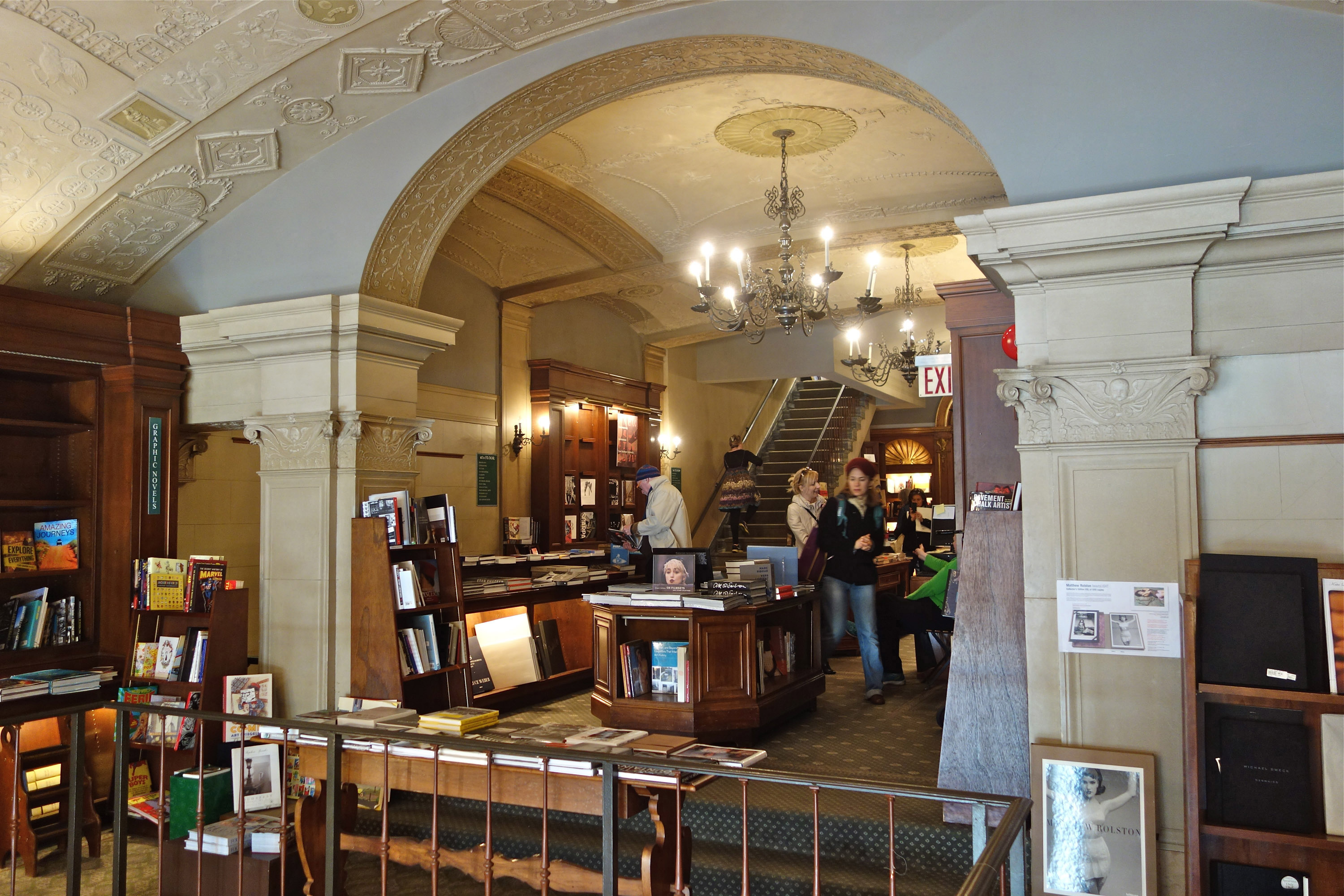
Rizzoli, April 9/2014

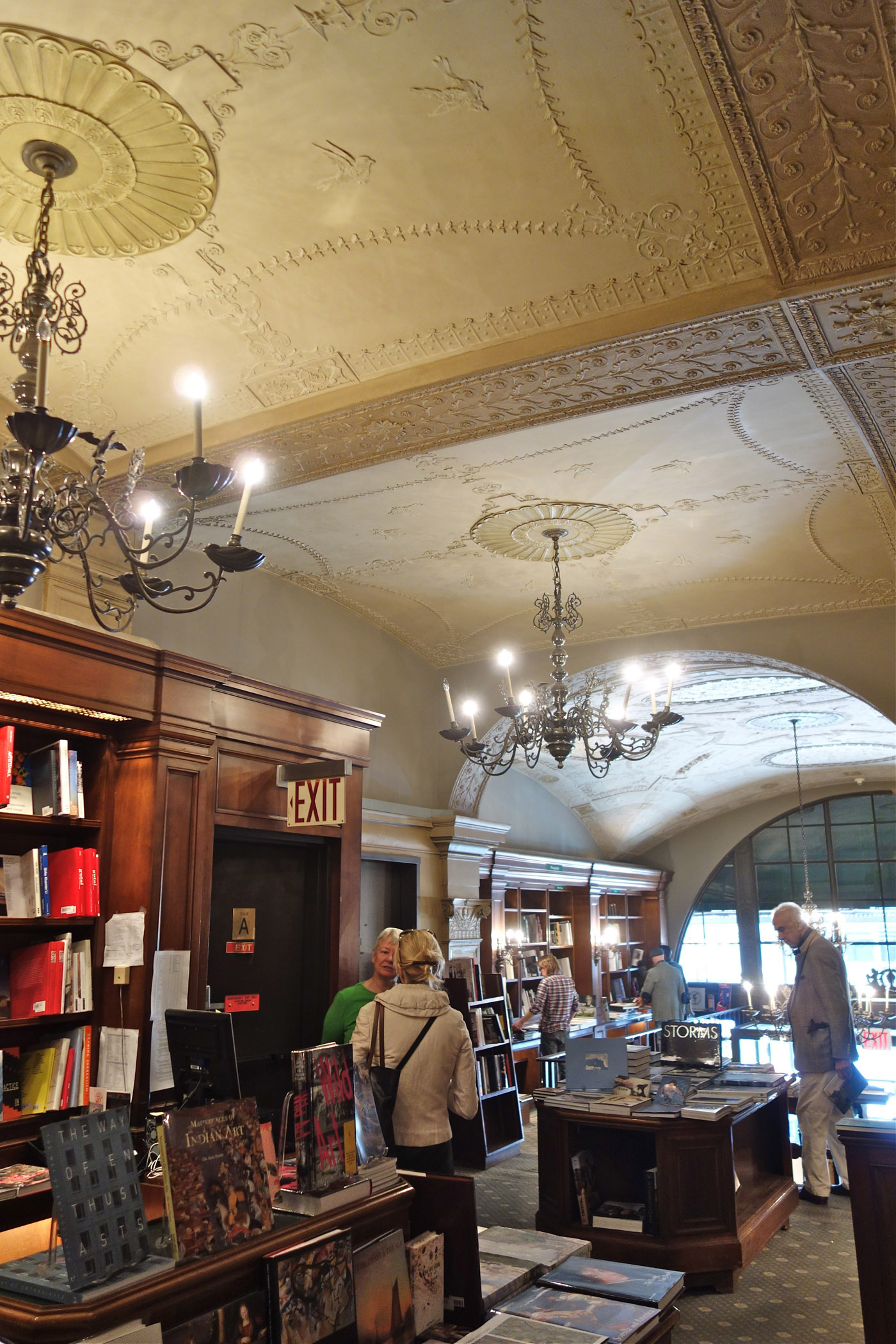
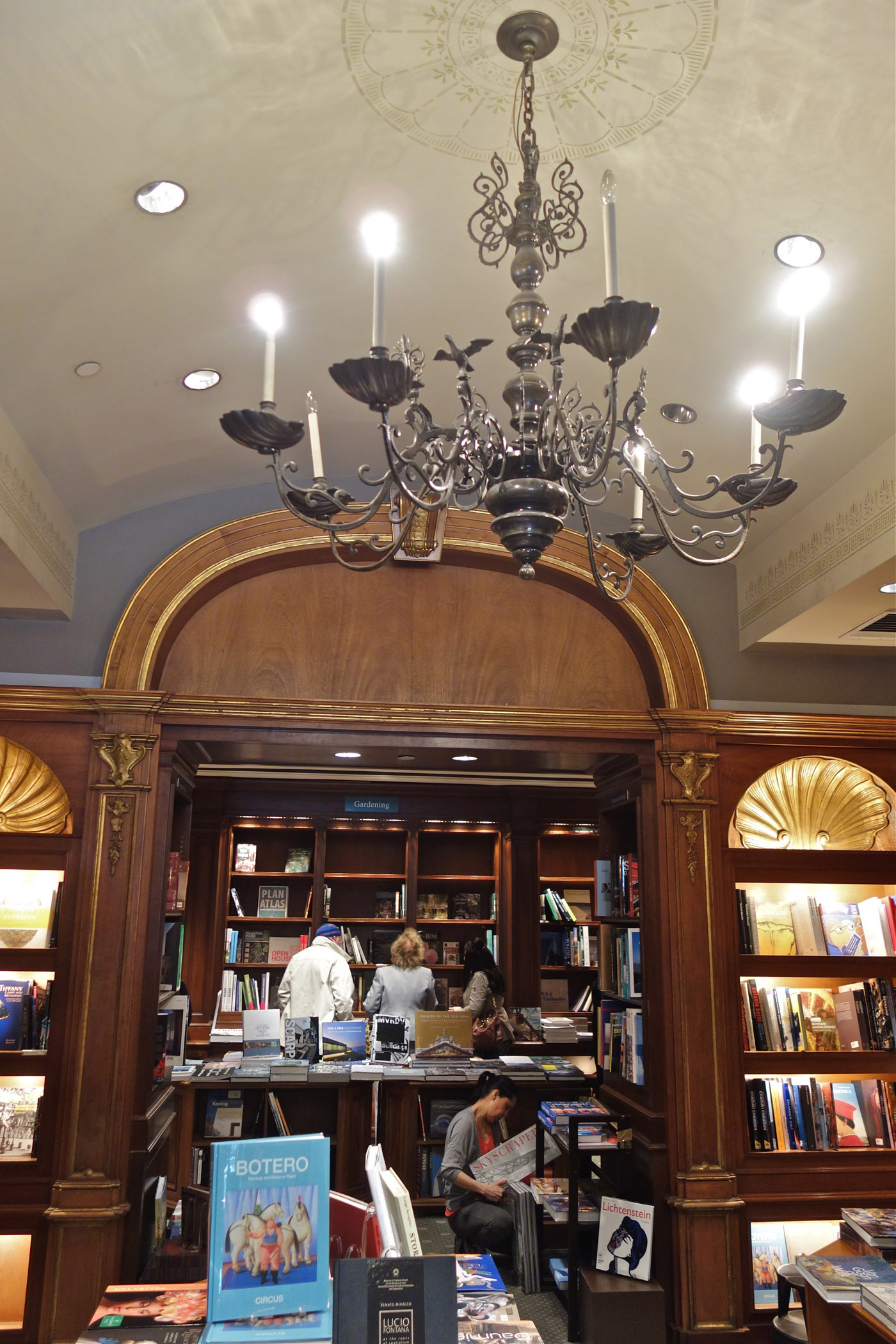
Our man in New York City, the roaming photographer (and occasionally reporter) Zygmunt Malinowski writes to tell us that the iconic bookstore Rizzoli, at 31 West 57th Street in mid-Manhattan, will close today. “I went to see this six-story townhouse for the last time. The building’s prime location off 5th Avenue within a few blocks from Central Park, Plaza Hotel and Rockefeller Center with St. Patrick’s Cathedral nearby contributed to its popularity. Elegant interior with oak shelves, decorated vaulted ceilings, with cast iron chandeliers, and columned arches – it was truly majestic. Its collection of books was special – for instance, a section of graphic novels. Besides general interest, there were a substantial number of coffee table books,” he wrote.

It didn’t go down without a fight. It just lost potential status as a landmark, despite the pleas of thousands of booklovers and others. As reported yesterday by the International Business Times:

In yet another blow to the thousands of preservation advocates fighting tooth and nail to save New York City’s Rizzoli Bookstore, the building that houses the bookstore doesn’t meet the requirement for interior landmark protection, according to the city’s Landmarks Preservation Commission.

The determination, announced on Thursday, follows months of impassioned appeals from preservationists, city officials and New Yorkers who live and work near Manhattan’s rapidly changing West 57th Street, and who have been rallying to save the century-old building, which is presumed to be facing demolition to make way for yet another glass skyscraper. More than 16,000 people have signed a petition in an effort to save the charming, six-story property located at 31 West 57th Street, where Rizzoli Bookstore has been since 1985. The bookstore is set to close its doors for good on Friday, when a rally arranged by Manhattan Community Board Five is scheduled for 10 a.m. EDT outside the building.

According to Zygmunt, a printed window sign mentioned that Rizzoli would relocate – but when? and where?

As always, he’s documented the sad day with photos.  Take a look for the last time.

Rizzoli, April 9/2014


Rizzoli, April 9/2014

Rizzoli, April 9/2014