It’s been a sobering Easter – beginning with Monday’s castastrophic fire at Notre Dame, and concluding today, with the church and hotel terrorist bombings in Sri Lanka. But New Yorkers were, as always, ebulliently defiant. Photographer Zygmunt Malinowski writes: “It was unusually crowded at the morning service celebrated at St. Patrick’s Cathedral by Cardinal Dolan, with a joyful atmosphere on Fifth Avenue, which was closed to traffic to make way for the Easter parade. Folks dressed up with their own creations: women with colorful headgear with flowers, bunnies, eggs, or other seasonal themes; children in their very best outfits. Men were decked out, too – see above.”
Tag Archives: Zygmunt Malinowski
Bergen holds its first-ever international literary festival – and we’re in Norway for it!
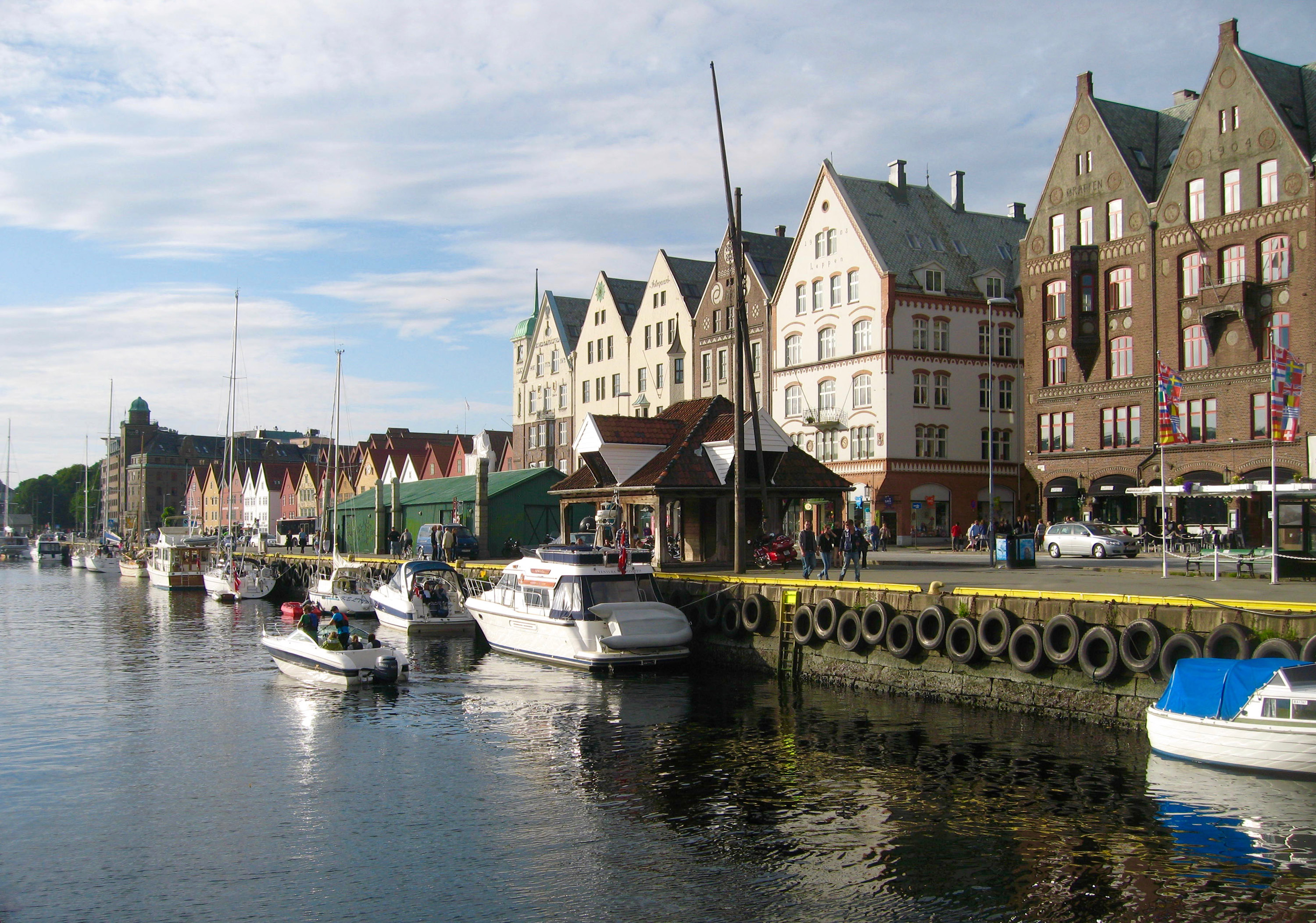
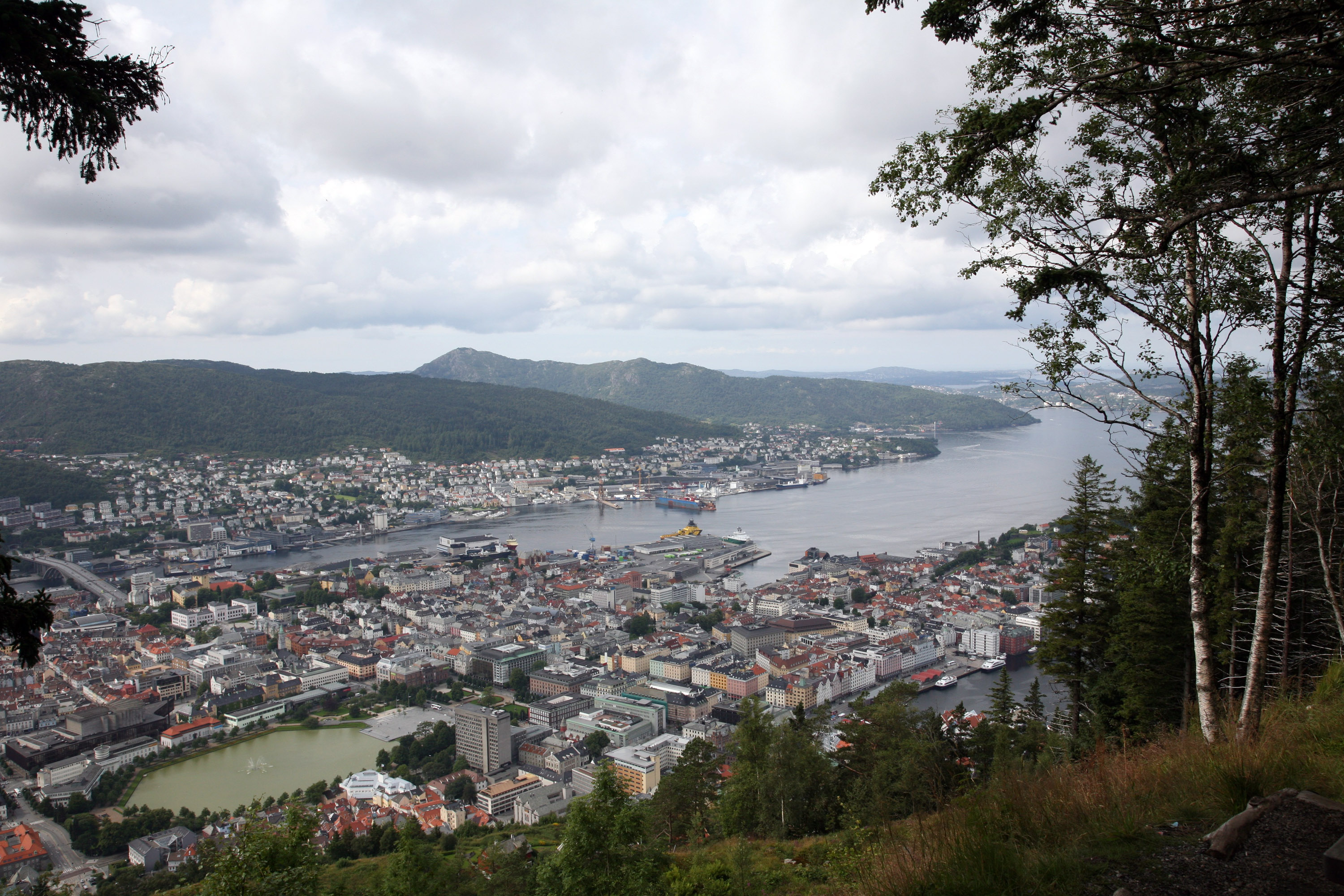
The Book Haven has just arrived in Norway for the first-ever Bergen Literary Festival – tired and hungry and footsore and jetlagged, but delighted with the lovely city. For example, the Bryggen Hanseatic Wharf pictured above which dates back to Middle Ages is on UNESCO world heritage list.
We just returned from listening to a riveting onstage conversation between award-winning Juan Gabriel Vásquez, author of The Sound of Things Falling (2011), about the Colombian drug wars, and now The Shape of the Ruins (2018), about two defining political murders in Bogotá’s past, and Spanish writer Edurne Portela. “Memory is a moral act,” said the Columbian author who spoke about the way we manipulate memory and history so we can go on. “History lies.”
“The truth of the novel is that there is no truth,” he said.
There will be more news on the inaugural festival, but meanwhile – Happy Valentine’s Day!
Reykjavik for book lovers? Who knew? Now you’ll know why…
A guest post from our roving photographer Zygmunt Malinowski, this time reporting from Iceland, which he visited over the summer. (All photos are copyrighted by him, of course, and used with permission.)
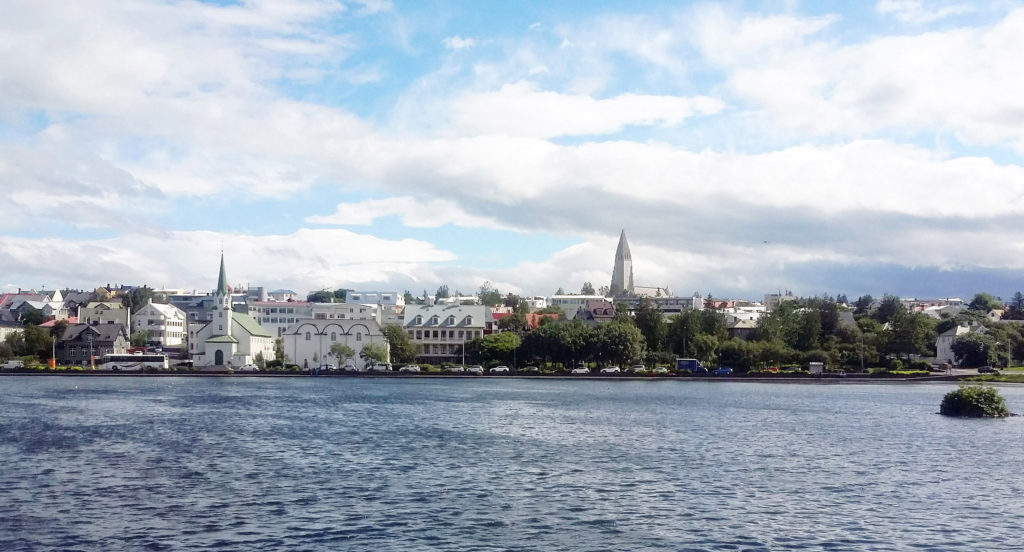
Who knew that Iceland’s cosmopolitan capital is designated as a UNESCO “City of Literature”? UNESCO looks at several criteria for the tag: quality, quantity, diversity of publishing; the range of libraries and bookstores; its literary events.
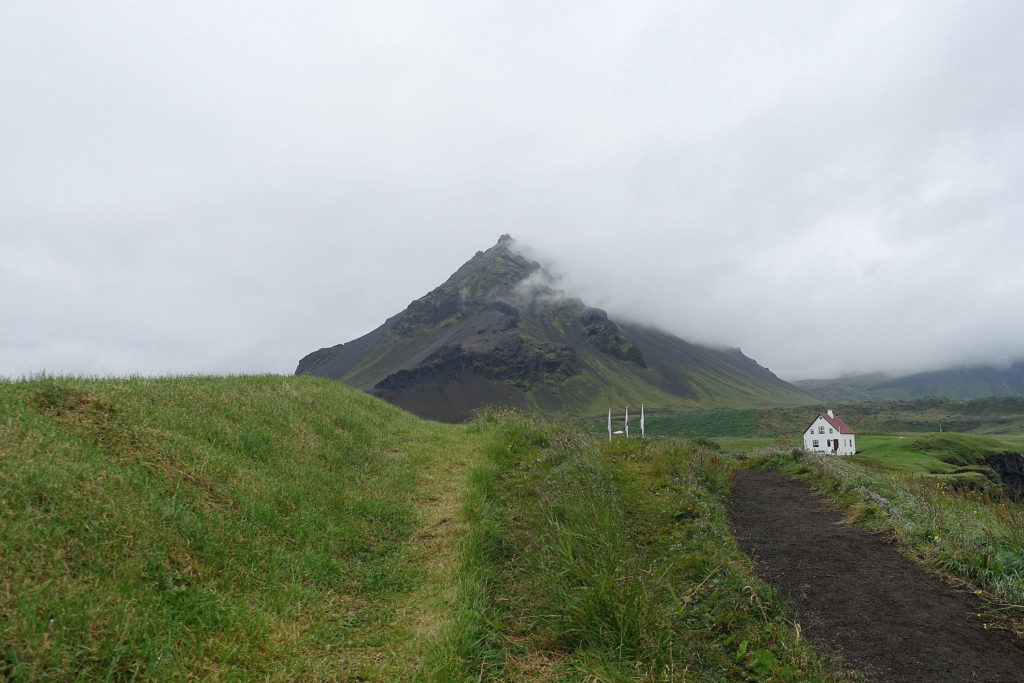
During the cool mostly drizzly summer of 2018, Reykjavik’s main street, Laugavegur, is full of strolling foreigners and locals stopping at one of its many cafes, restaurants, bars and shops. Several chain bookshops are available here, too. Many of the visitors are backpackers heading out to experience this exotic land of “Ice and Fire,” In fact Jules Verne’s well-researched 1864 novel Journey to the Center of the Earth was inspired by this region’s volcanic landscape. Its characters descend into the bowels of the earth.
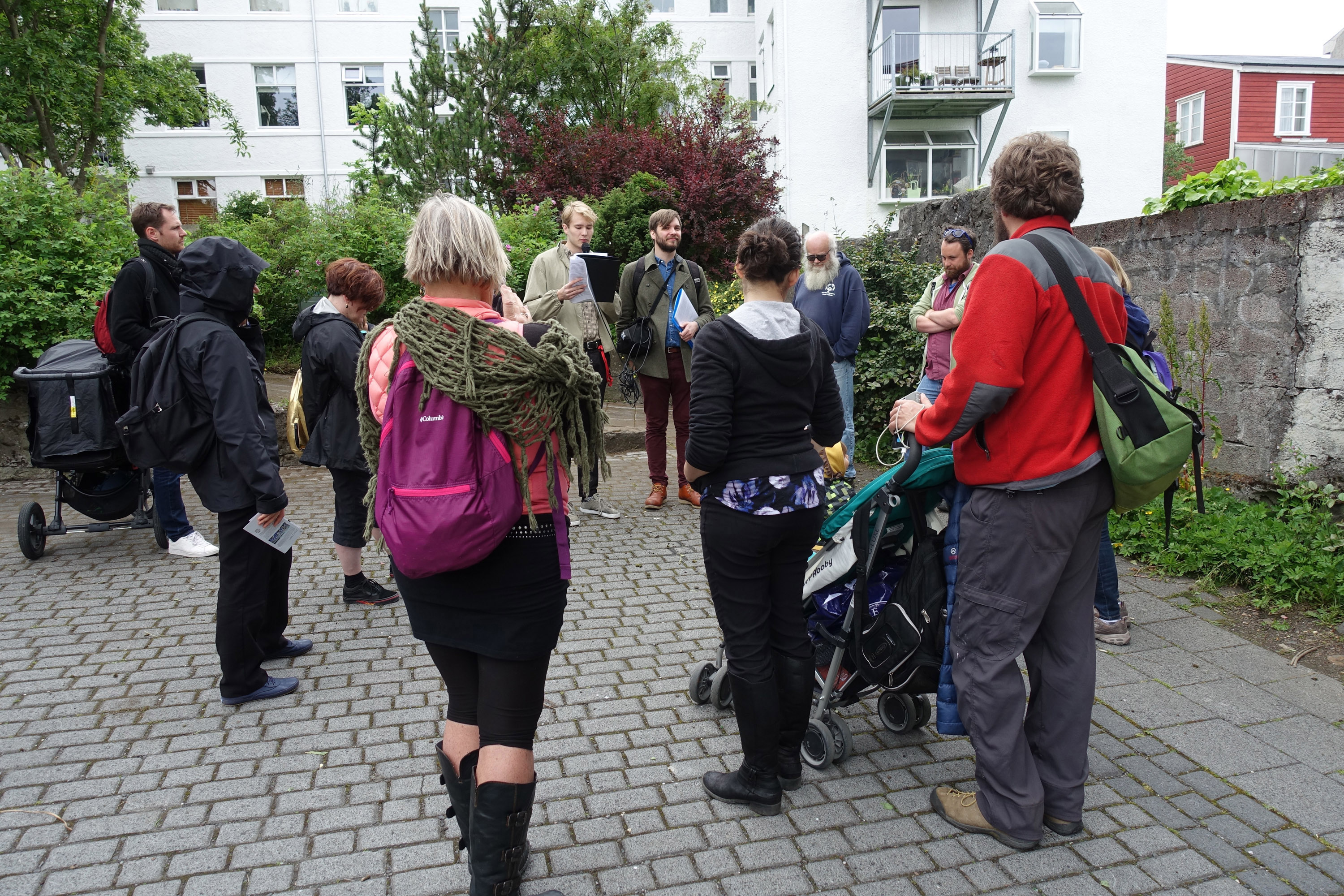
One way to see Reykjavik is to take a literary walking tour. I booked the one offered by the City Library called “Dark Deeds.” Its theme was crime fiction and ghoulish stories (i.e., Scandinavian Noir). The intention “was not to give an historical overview of literature in Reykjavik but rather to give a small sample of the varied works set in the city…. This walk takes the participant to several locations in the city center for viewing a world connected to both older and contemporary Icelandic literature, although the emphasis is on recent compositions.”
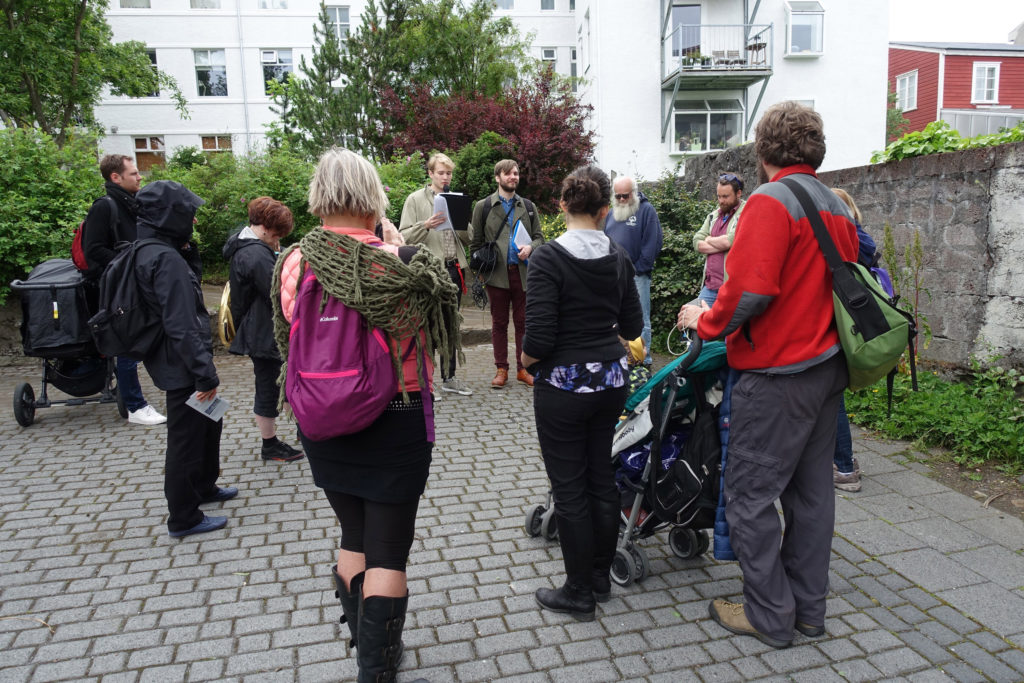
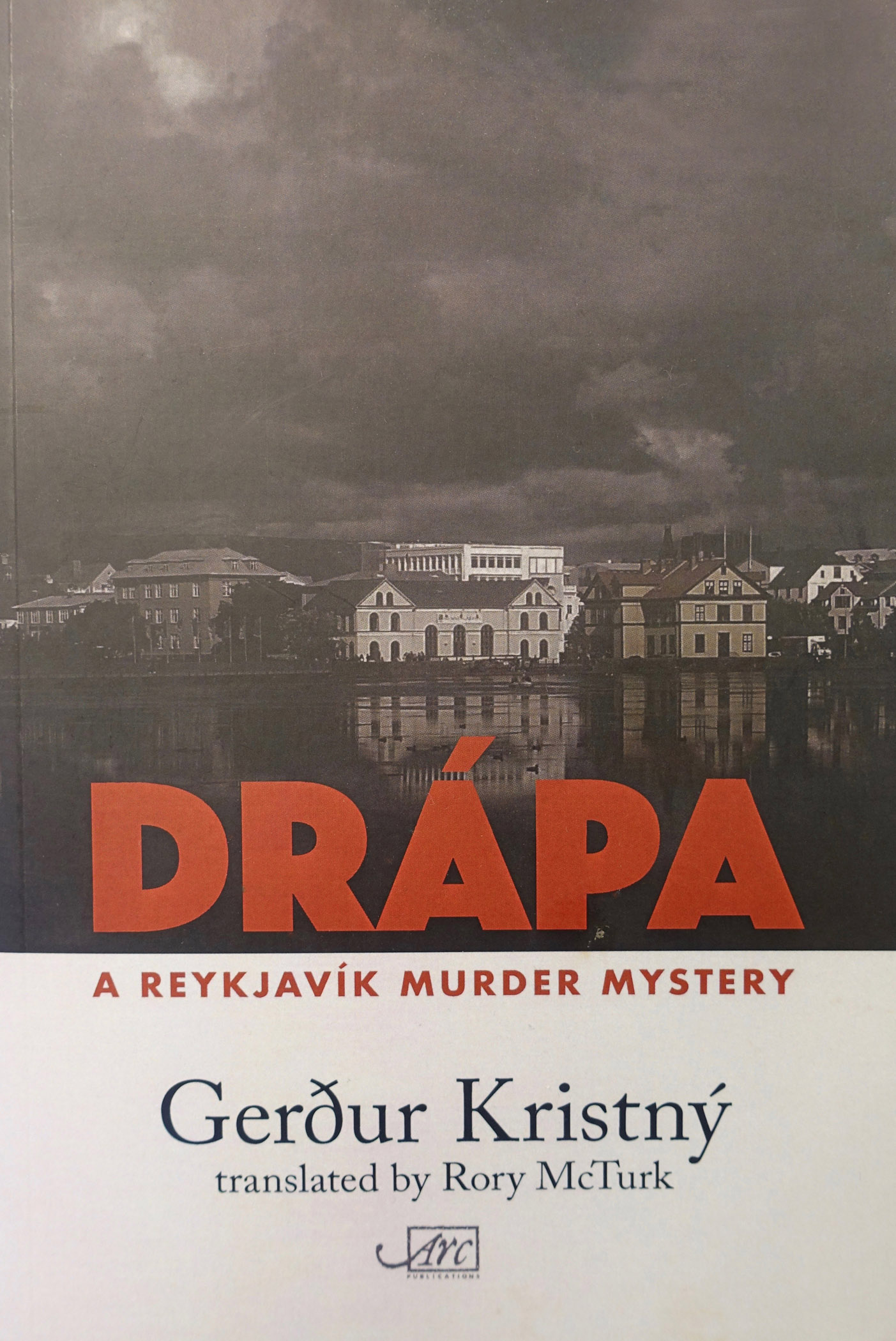
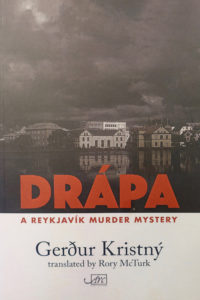
We visited eight sites, and two young men, Salvar and Guttormur, gave a brief introduction and a short reading from each author’s work at each stop. A visit to the harbor revisited a story of a luxury yacht with no passengers crashing into the harbor – a mystery thriller and international best seller, 2014’s The Silence of the Sea by Irsa Sigurðarsdóttir (translated by Victoria Cribb). A nondescript building, formerly a hospital during the 1918 Spanish flu, recalled a detective, a young inspector “drawn into the underworld of the city” in 2015’s Reykjavik Nights by Arnaldur Indriðason (also translated by Victoria Cribb). At Briet Square, we learned about Gerður Kristný an award-winning author, a former journalist and editor-in-chief of literary monthly, who wrote “Drápa” (a form of skaldic poetry) about a senseless murder based on a real crime. Its an epic novel in verse, which takes its form from old Norse poetry and its mood from modern crime.” An excerpt from the 2018 book:
Snowflakes floated
onto the pavement
The city vanished
overcome by night
into drifting snow
Rabid winds
besieged the town
sent downpours down
to its very core
The winter war
had begun
City-dwellers
ran for shelter
(Translated by Rory McTurk.)
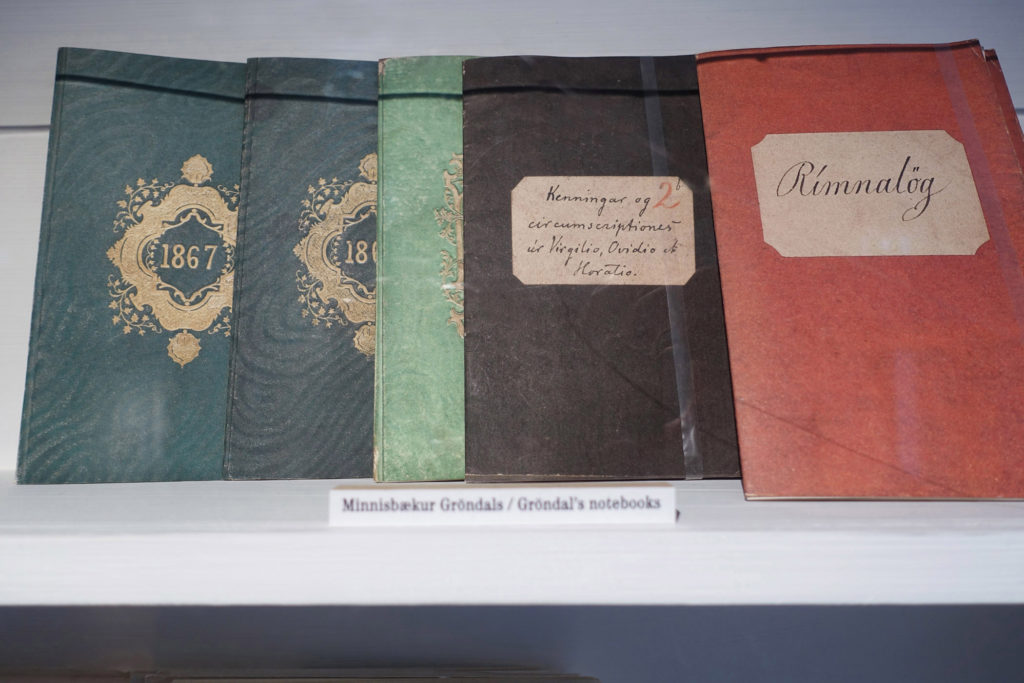
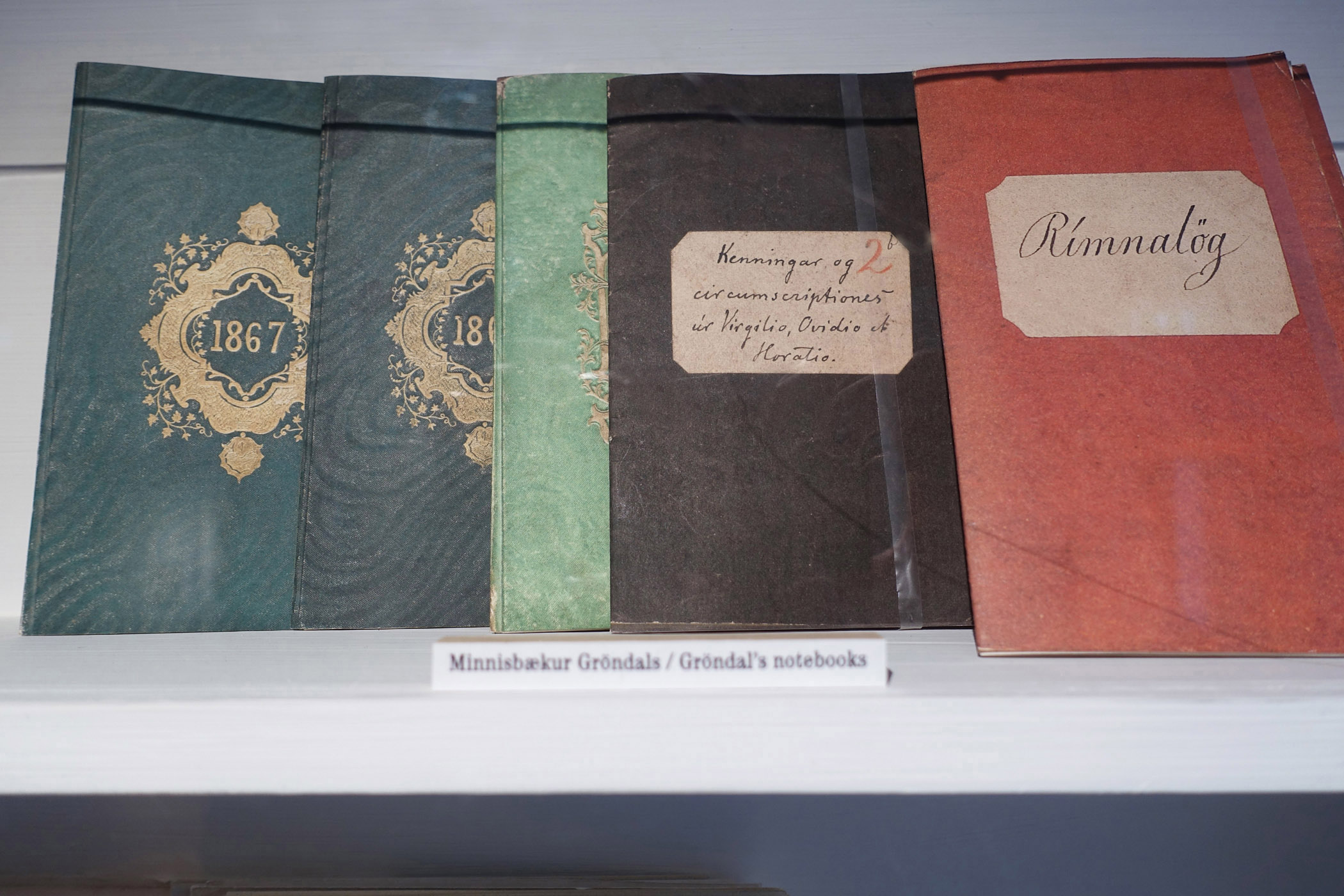
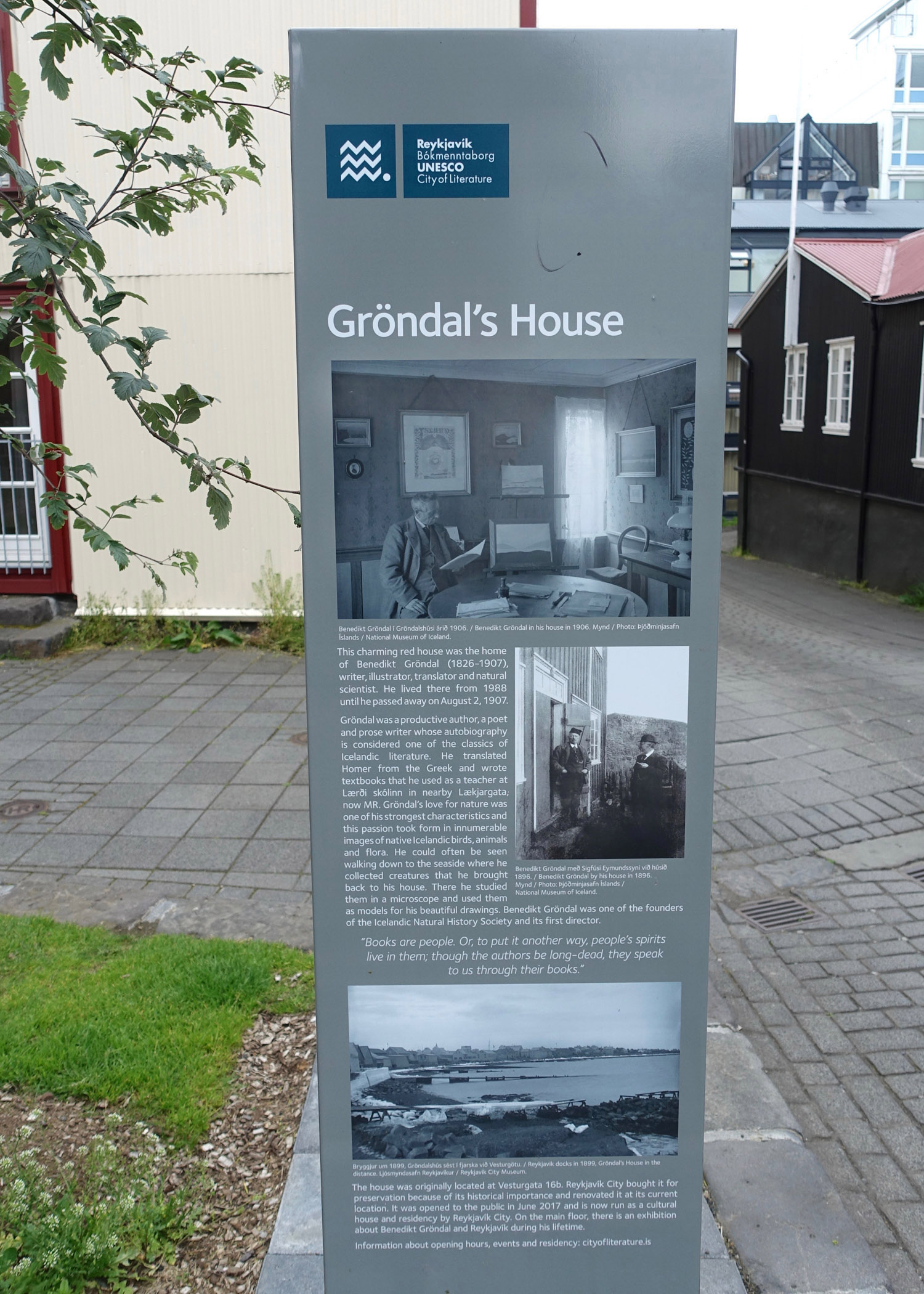
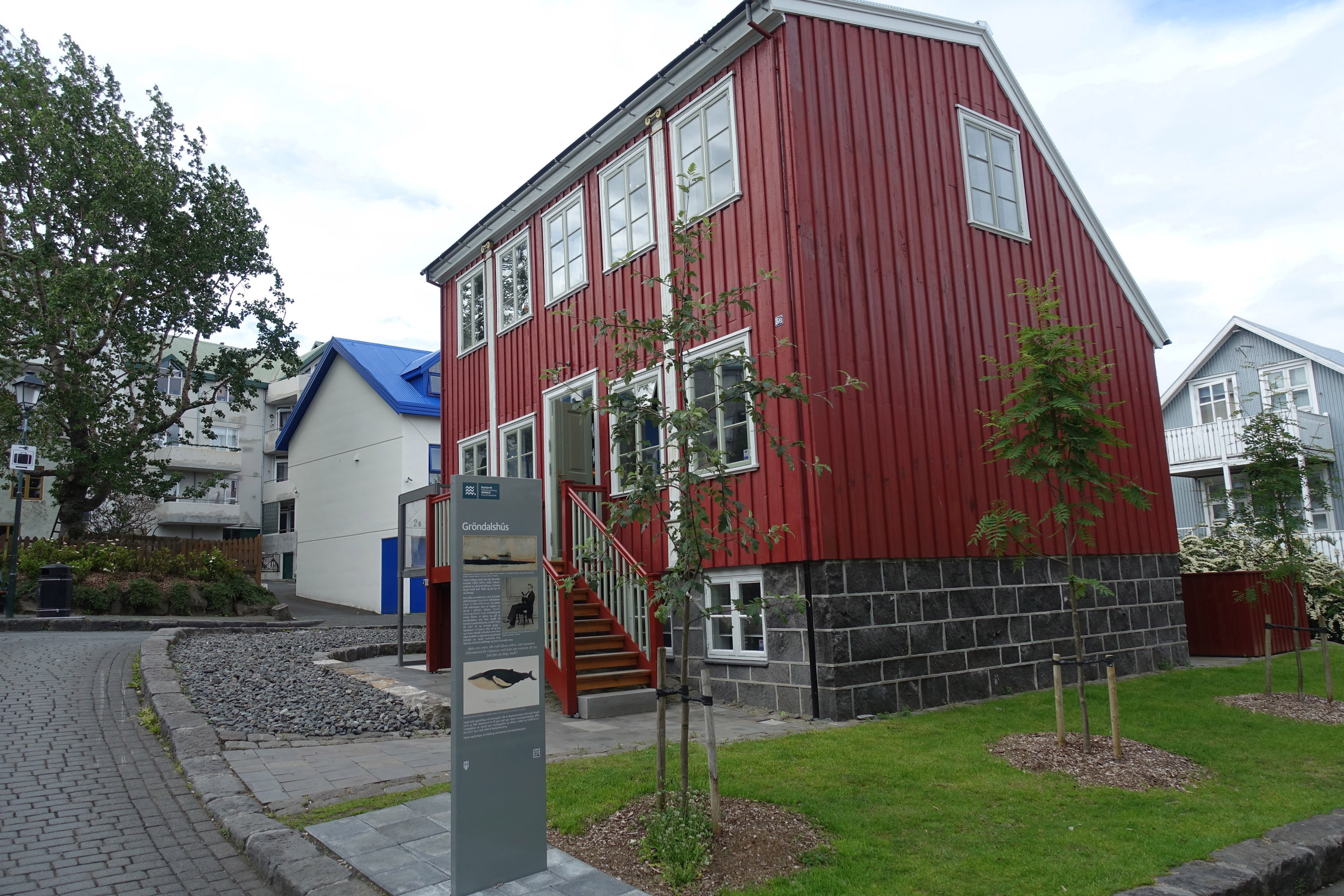
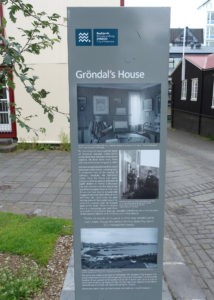
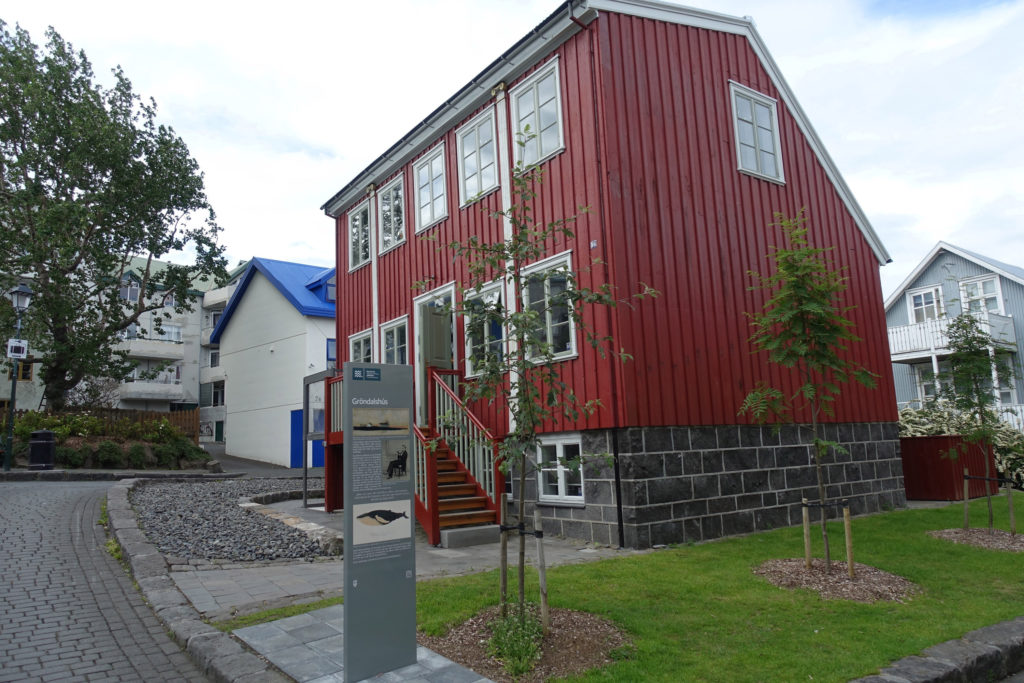
A more cheerful site was the home of Benedict Gröndal (1826-1907) – a writer, poet, teacher, illustrator of Icelandic birds, translator of Iliad, autobiographer, and natural scientist. His love of nature was one of his strongest characteristics. He was one of the founders of Natural History Society of Iceland and became its first director. His autobiography Dægradvöl (Pastime) is considered one of the classics of Icelandic literature known for it historical value, satire and sincerity.
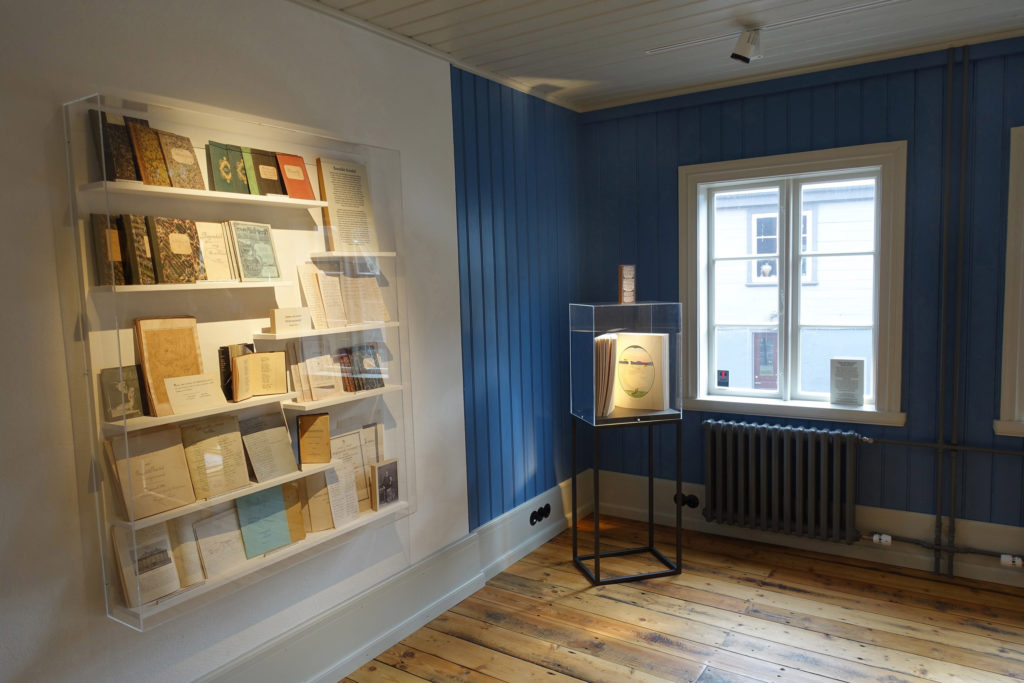
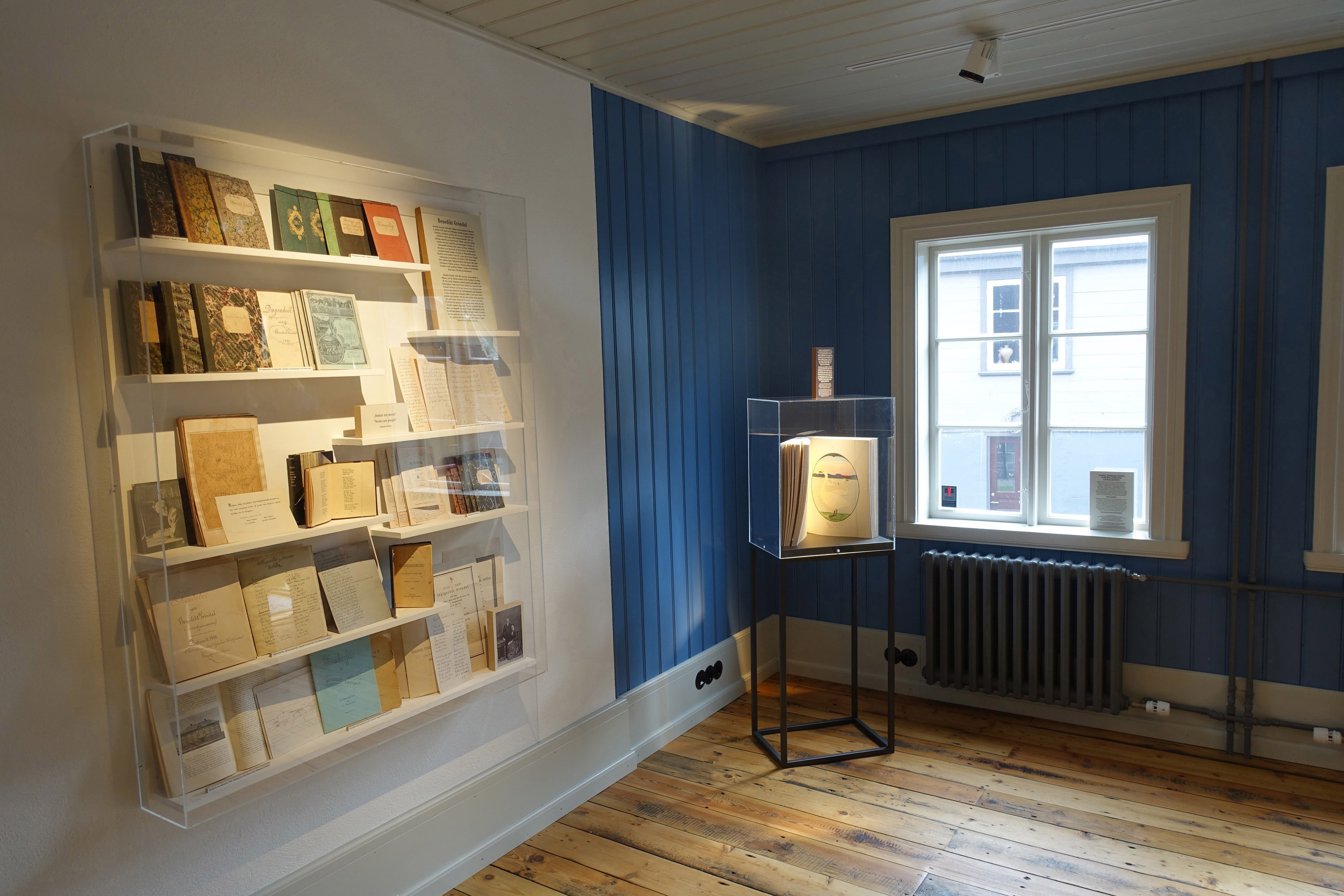
Inside renovated Gröndal House which was relocated and now is open to the public, on one of the panels there is a quote. The author muses about his legacy when he addresses the future reader:
“I hope dear guest that you will give yourself time to dwell at this window into my life and works. What you will see here is of course no proportion to my body of work, but I hope you will at the end send some warm thoughts my way and give praise to the works I so exerted myself to creating. Many of them were never appreciated by certain people during my time.”
One of the amusing poems read at the home, “To Bother,” was popular as a song several years ago. In English translation’:
To Bother (Nenni)
I don’t always read I can’t always be bothered to read
I do n’t always bother writing I can’t always be bothered to write
I don’t always paint I can’t always be bothered to paint
what do I bother then? so what can i be bothered to do?
I always love to love I always bothered to love
I always bother to drink
I always bothered to drink I always bother to dream I can always be bothered to dream
something I bother then so I can be bothered to do something
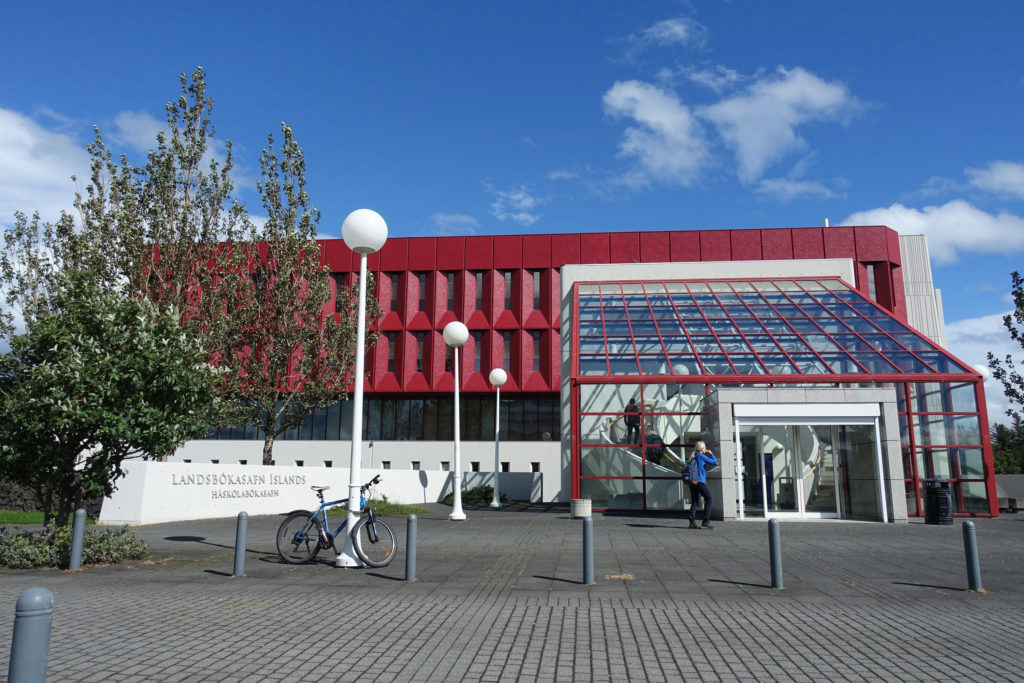
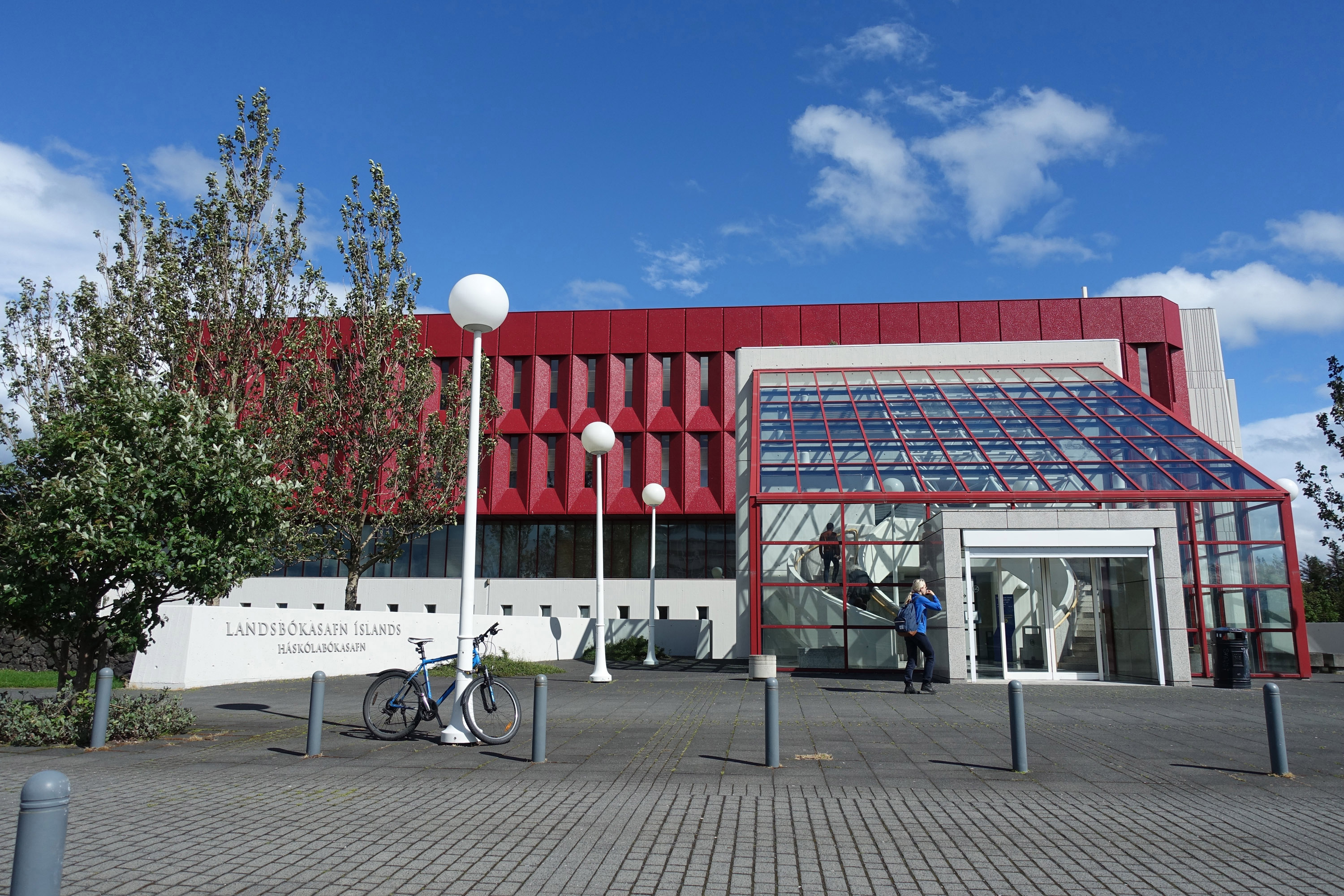
According to statistics, Icelanders are avid readers and it is said that one in ten here is an aspiring writer. Having seen only a few folks reading books, I asked the librarian and the National and University Library located at the nearby University of Iceland campus. He confirmed that Icelanders are readers – but mostly at home. Then he added that he also would like to write a book.
He also pointed out that Icelanders can read the ancient Viking sagas in the original language. Because of Iceland’s isolation their language did not change as much as it did as in other Scandinavian countries. The sagas – narrative prose – have an important role in Icelandic literature and are still widely read. They are valued by literary experts for their clear style, originality and uniqueness, which was hundreds of years ahead of its time in Europe (the Gaelic language would be a notable exception, however).
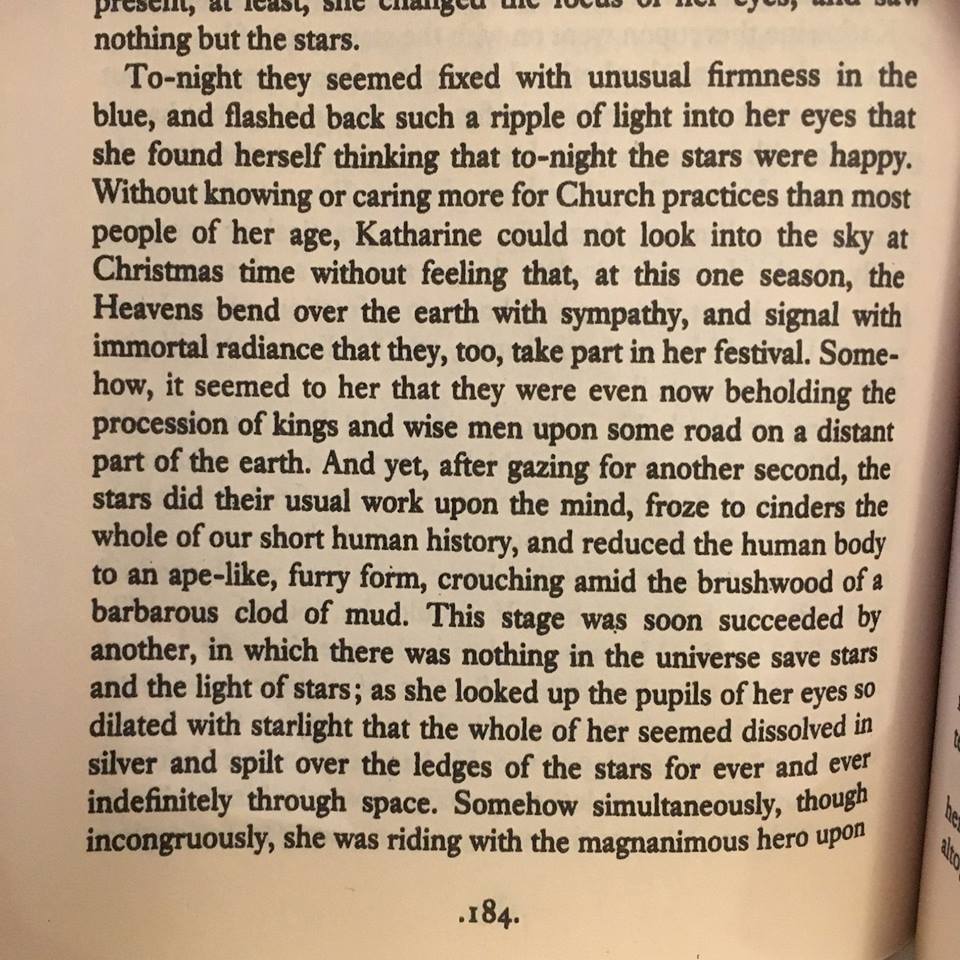
Holiday greetings from the world, and one from Virginia Woolf: “at this one season, the Heavens bend over the earth with sympathy…”
…at this one season, the Heavens bend over the earth with sympathy, and signal with immortal radiance that they, too, take part in her festival.”
A quick holiday message from your exhausted correspondent at the Book Haven – and a better one from Virginia Woolf, from her novella Night and Day. The passage comes to us courtesy Book Post, Ann Kjellberg‘s subscription-based book review, offering a “bite-sized newsletter-based book review delivery service, sending paying subscribers high-quality book reviews, by distinguished and engaging writers, direct to their inboxes.“
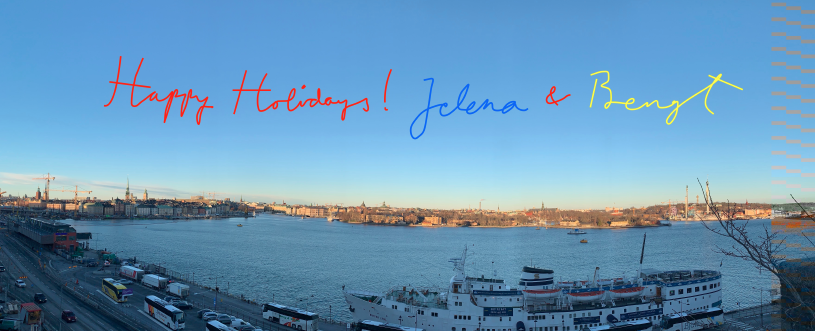
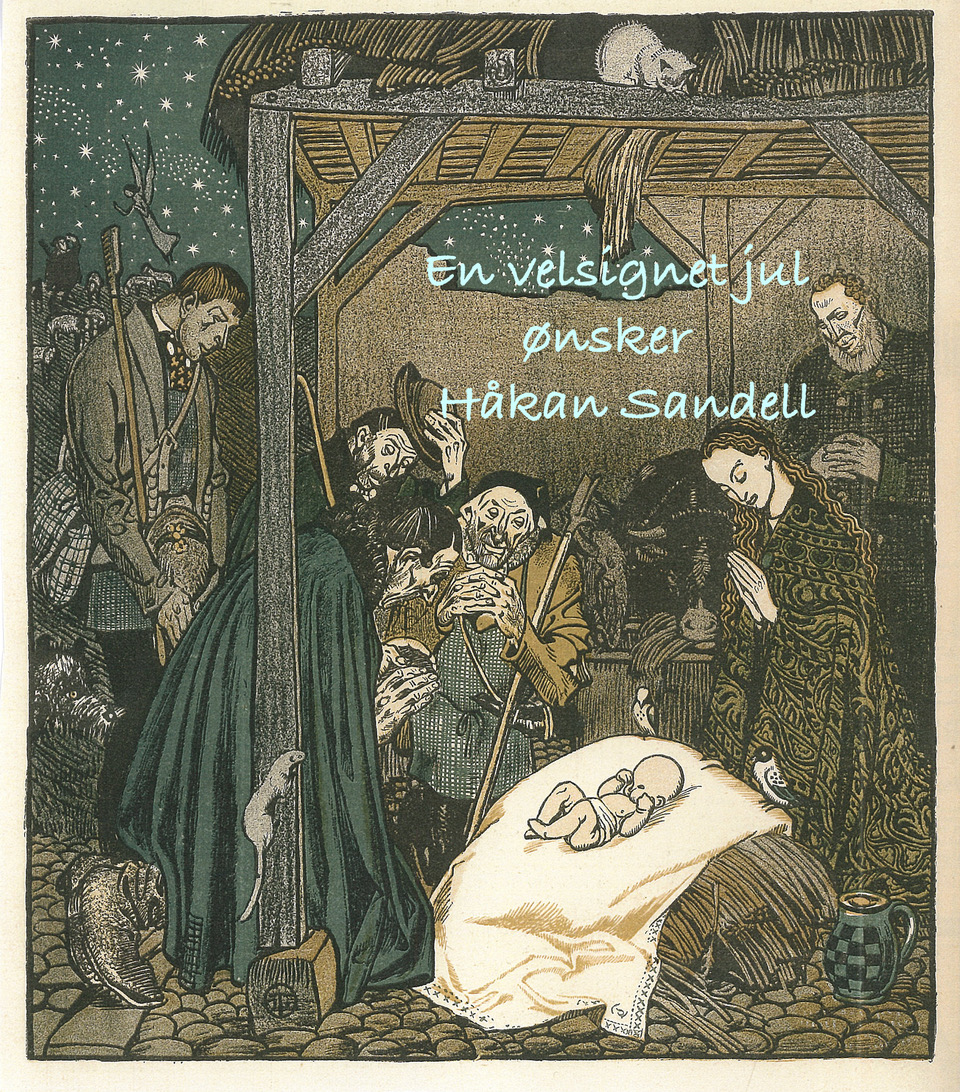
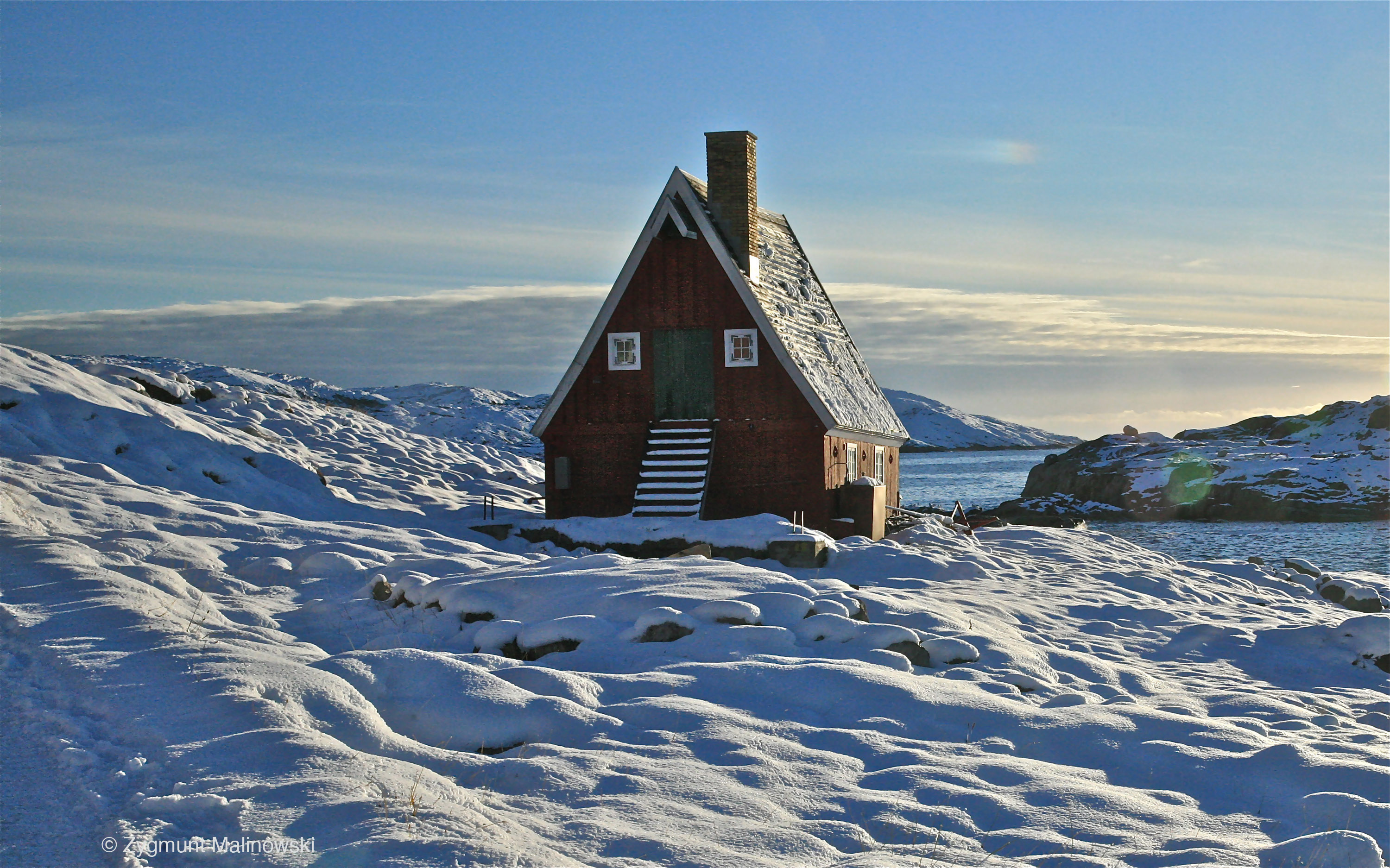
We’ve enjoyed greetings from around the world in our own inbox, and thought we’d share a few from senders who have appeared in the Book Haven pages: Swedish author and translator Bengt Jangfeldt, and his wife, the Russian actress Jelena Jangfeldt, writing from Stockholm; Swedish poet Håkan Sandell sends his julekort from Oslo; cat-loving Russian scholar Valentina Polukhina sends a few felines from her London home; and an Upernavik, Greenland, winter image arrived from Polish photographer, and regular Book Haven contributor, Zygmunt Malinowski in New York City. We’ll be hearing more from him in a few days.
Meanwhile, have a wonderful holiday with family and friends with plenty of good cheer!
Celebrating “Evolution of Desire: A Life of René Girard” in NYC

Gathered for a discussion of books, poetry, literature, and culture…
The Book Haven has lapsed into an unaccustomed silence. That’s because we’ve been on the road. We’ve reconnected with friends and allies in New York, based at the hospitable Westchester home of Izabella Barry, who hosted a celebration for Evolution of Desire: A Life of René Girard on Sunday. Old friends were in attendance – the Polish poet and professor Anna Frajlich and the Russian poet and screenwriter Helga Landauer, and the photographer Zygmunt Malinowski who has guest posted on the Book Haven. New friends were there, too: the poet Kathryn Levy.

With poet Anna Frajlich…
Irena Grudzińska Gross was the moderator for my interview– I lucky on that on that score, the author of Czeslaw Milosz and Joseph Brodsky: Fellowship of Poets is a matchless scholar and human being. We ended the interview with a discussion of my forthcoming ‘The Spirit of the Place’: Czesław Miłosz in California. As Sunday afternoon crawled into evening, we flicked on the lights, poured more wine, and continued to discuss literature, poetry, culture.
Now I’m hunkered in Yale’s Beinecke Library. I’m finding some gems among the archives, like this one, from Czesław Miłosz, which seems appropriate for the times: “Textbooks of history tell us about crusades, about burning heretics and religious wars. All that pales in comparison with what the twentieth century demonstrated. Uncounted millions of human beings were killed not in the name of religion but in the name of lay fanaticisms and politics, that is, in a struggle for power. By the same token a belief in the moral progress of humanity was undermined, that belief so dear to our ancestors of the nineteenth century when it strangely, against logic, coexisted with the theory of evolution advanced by biologists. Technological progress did not make man a better being, on the contrary; and now we must admit that we know nothing as to where our species drifts, for goodness and purity of heart are as proper to it as the worst monstrosity.”
Roving photographer Zygmunt Malinowski spends a day with Henrik Ibsen in Norway

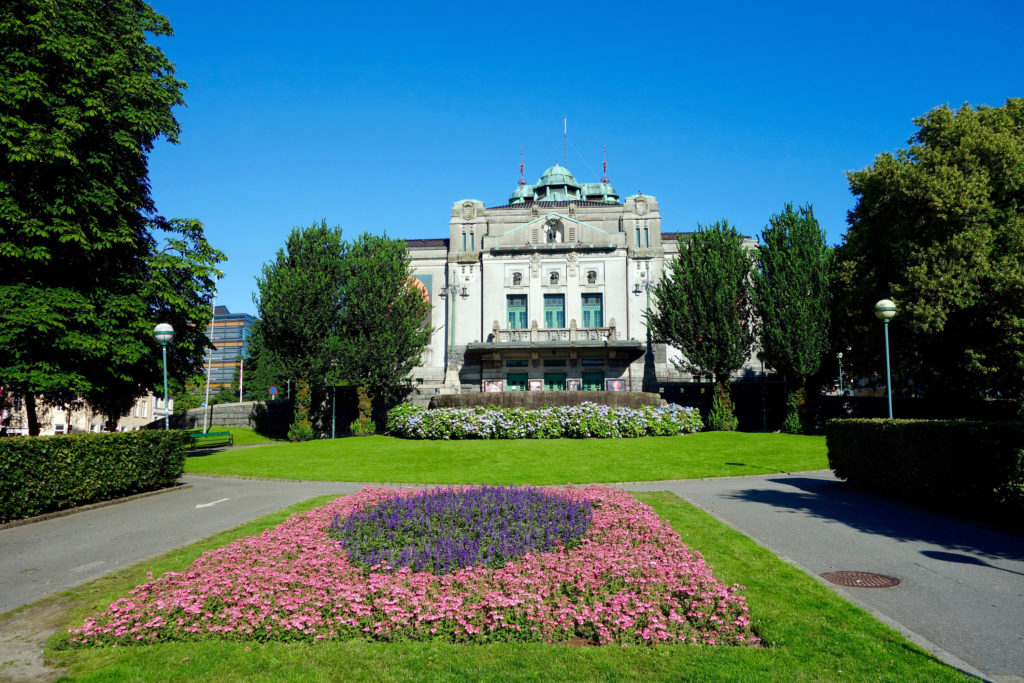
They know how to treat theater in Norway: the National Theatre of Norway in Bergen
The Book Haven’s roving photographer and reporter, New York City’s Zygmunt Malinowski, wrote to us following his recent visit to Henrik Ibsen’s Bergen – and, as always, he documents his journey with photos, which he generously shares with Book Haven readers. (Some of his previous photographic journeys are here and here and here and here, among other places.)
From Zygmunt:

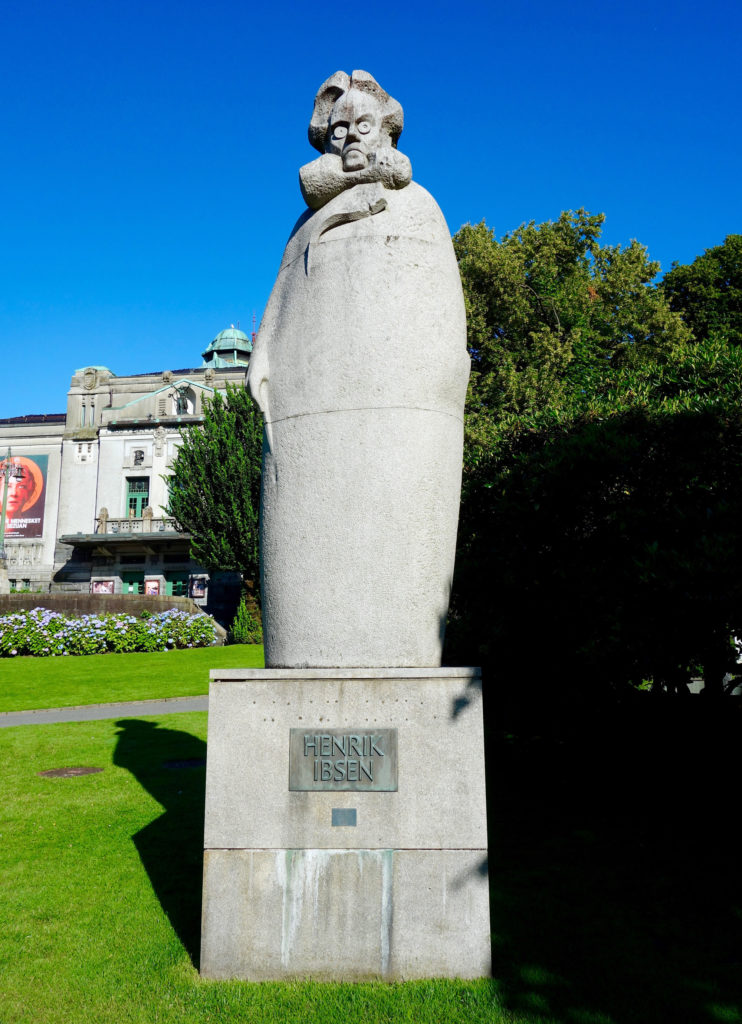
The man himself.
On the way to the northernmost part of Norway a few months ago, I had a stopover in Bergen. I was looking forward to revisiting “Bryggen,” a colorful waterfront historical area.
A few short blocks from my hotel, the street opened up into a wide plaza that ended with a stately building in art nouveau style – the National Theatre of Norway. A well-manicured lawn in front with planted flowers, shrubs, and trees on both sides added to its dignity. On one side of the green square, a large modern minimalist statue: not surprisingly, Henrik Ibsen, the Norwegian playwright considered the father of modern theater, as well as the father of realism.
Ibsen was the first director and writer-in-residence of “Det Norske Theatre,” now the new National Theatre. He wrote several plays there, which did not earn acclaim, but nevertheless gave Ibsen much-needed experience in his craft. After he left for Italy and Germany, he wrote his most important works; Brand made him famous in his native country, and world success followed with among others: Peer Gynt, Pillars of Society, Doll’s House, Master Builder. He returned to Christiana (later, Oslo) during his late years.
In 2006, the centennial of Ibsen’s death, A Doll’s House was the most performed play for that year. Ibsen is said to be the most performed playwright after William Shakespeare.

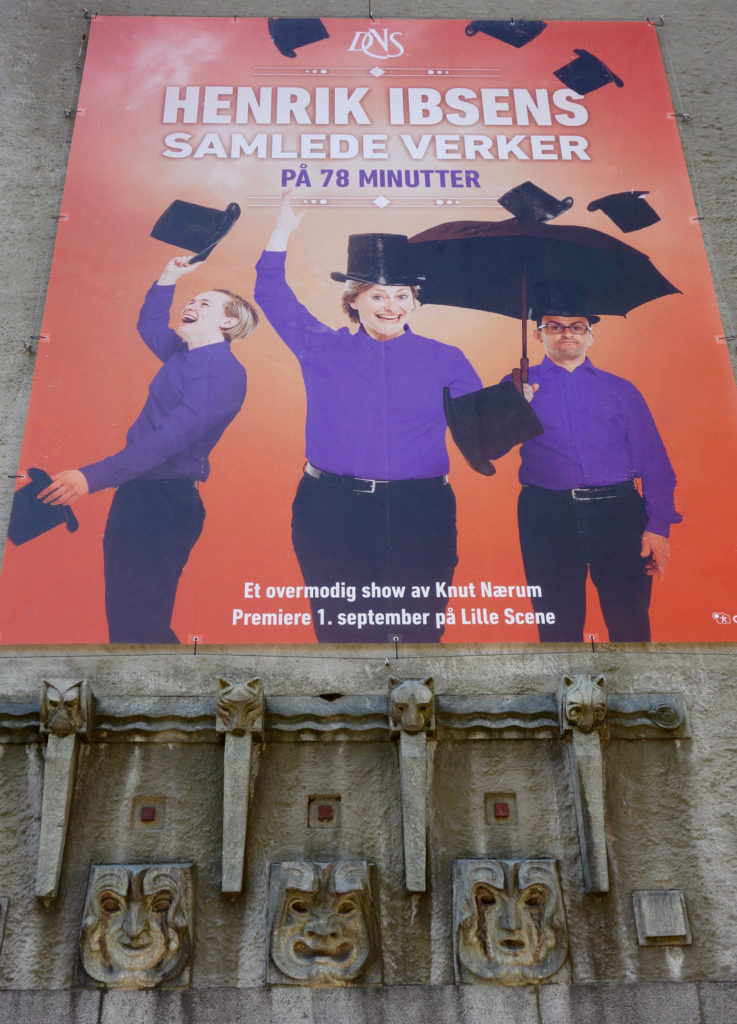
All of Ibsen in 78 minutes.
The Ibsen statue erected more recently was modern. The body was elliptical, only the head was more realistic and even here the eyes were circular, like two oval slices. The sculptor rejected the romantic ideals just as Ibsen did in his works.
On the facade of the building, two large placards announced the current offering, one was for a new Ibsen production: Henrik Ibsen’s samlede verker på 78 minutter performed in Lille Scene, one of the three theatre stages, an intimate setting situated on the east side of the building.
Combining 28 of Ibsen’s plays in 78 minutes seemed like a magic act – as suggested by the graphic depiction of actors juggling top hats in the poster for the event. According to reviews, it’s “a comic marathon by dramatist Knut Naerum that offers a chance to learn all about Ibsen in one evening.” Performances continue through December.
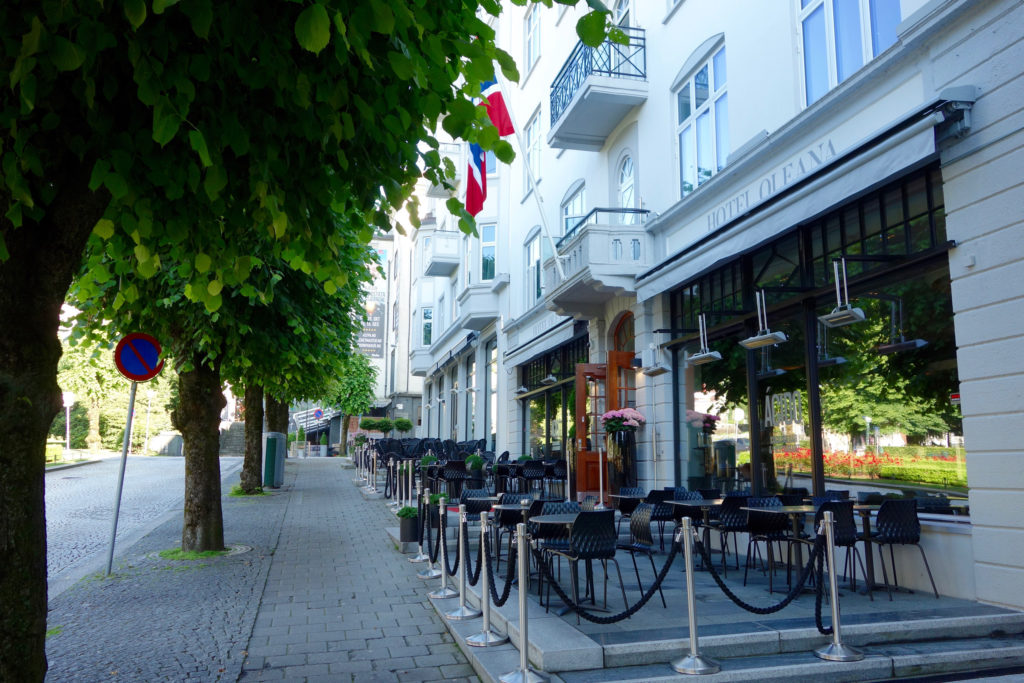
It was good to be back in Bergen, especially since my visit occurred during one of these pleasant sunny days that led many Norwegians to stroll the boulevards and linger outdoors. Across from the statue at the corner building, smartly dressed couples enjoyed a glass of wine with their late afternoon meal on the patio at the Theatro restaurant and bar, part of the boutique Hotel Oleana.
Photos copyright Zygmunt Malinowski.

Hotel Oleana when it’s empty.