Oscar endorsement for Women of the Gulag: “To go through such suffering without going mad is a spiritual feat.”

Share

She made a movie on the “slaves of the slaves.”

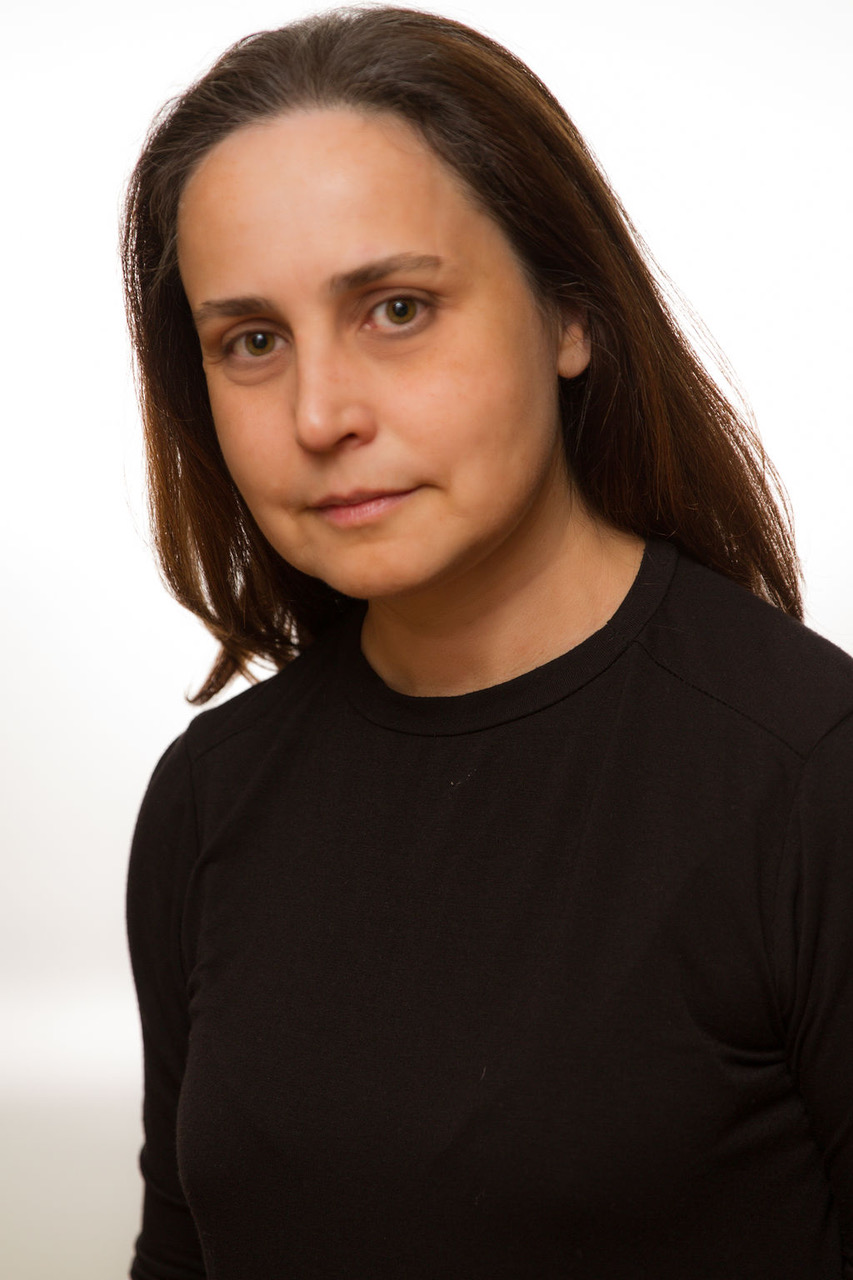
Russian American filmmaker Marianna Yarovskaya sent me a short note after she read the earlier Book Haven post on her new film Women of the Gulag, based on the research and book by Paul Gregory. The film is now up for an Oscar next month in the “short documentary” category. 

Her email included an endorsement from Vladimir Bukovsky, a Soviet dissident who spent a dozen years in the psychiatric hospitals, prisons and labor camps of the USSR. In December 1976 he was deported from the USSR and exchanged at Zürich airport by the Soviet government for the imprisoned general secretary of the Communist Party of Chile, Luis Corvalán. Bukovsky now lives in the UK.

So he knows what he’s talking about. Here’s what he had to say about Women of the Gulag – consider it an endorsement from the depths of hell:

The film Women of the Gulag is an important document of the era.

The U.S.S.R. was a huge zone of human suffering.

Inside that zone there was also a hell that contained its powerless slaves—the GULAG.

But within that hell, there was an even more terrible hell.

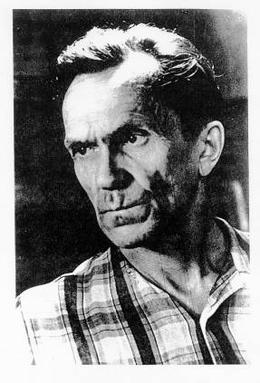
Varlam Shalamov, the great writer who lived through the GULAG hell, said the women in the camps were slaves of the slaves.

Gulag survivor Shalamov, author of “Kolyma Stories”

Their experience was so horrific that eyewitnesses were afraid to describe it in detail.

I could not understand how you can make a film about “what a person should not know, should not see, and if he has, he is better off dead,” as Shalamov wrote.

Marianna Yarovskaya has managed to do it. Her heroines, who survived the GULAG, say almost nothing about their suffering. But I could hear their desperate screams during their silences.

To go through such suffering without going mad is a spiritual feat.

To make such a film is a moral feat.

I would compare the appearance of Women of the Gulag with the appearance of Solzhenitsyn’s Gulag Archipelago.

The Gulag Archipelago was awarded the Nobel Prize. [Editor’s note: Solzhenitsyn was awarded, rather than his masterpiece.]

I am glad that there is the opportunity to award an Oscar to Women of the Gulag.

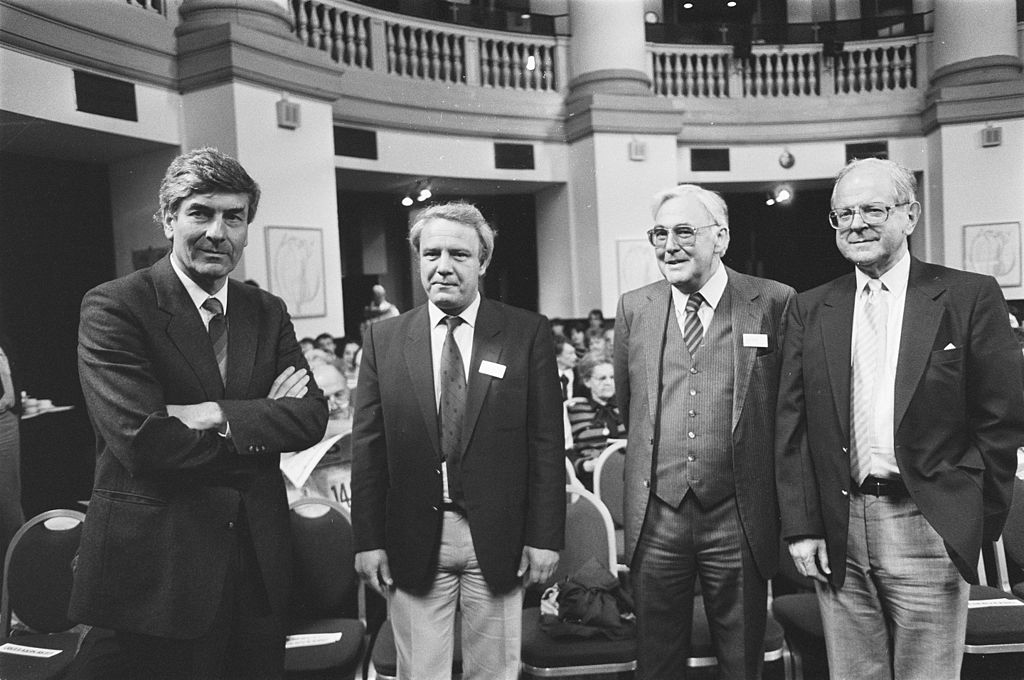
Freedom at last: Bukovsky at the 1987 Sakharov Conference, the Netherlands: (l. to r.) Prime Minister Lubbers, Vladimir Bukovsky, Prof. Jan Willem Bezemer, Stanford historian Robert Conquest (Photo: Creative Commons)

Philip Larkin declared, “He is a genius”: the unpublished poems of Robert Conquest

Share

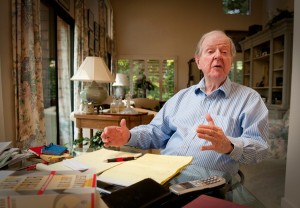
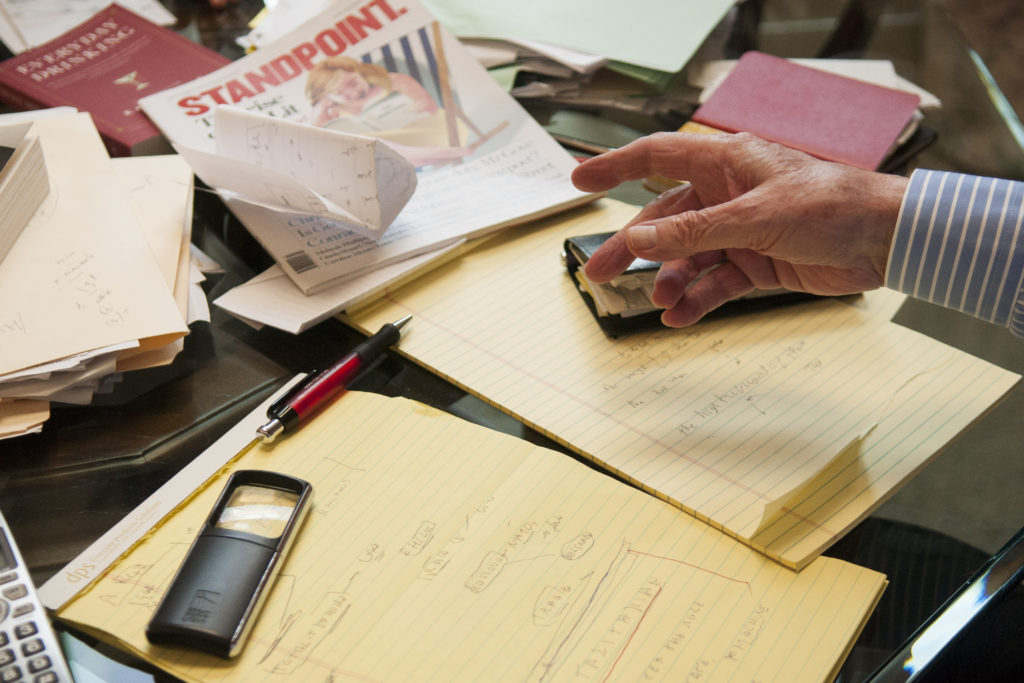
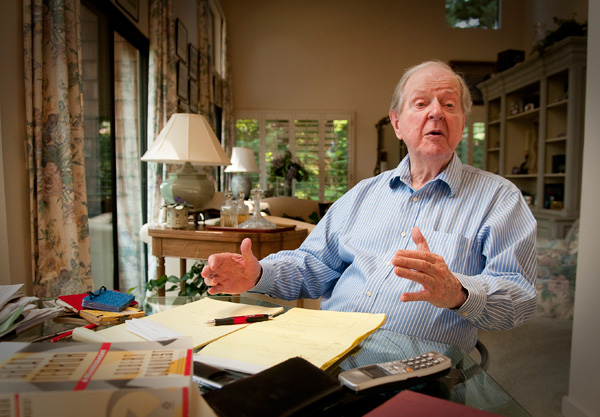
Conquest at work at his Stanford home (Photo: L.A. Cicero)

To say someone is “irreplaceable” is clichéd and self-evident. But there’s really no one quite like the late Robert Conquest – famous as the courageous and groundbreaking historian who exposed the horrors of Stalinism, and also as the poet who launched the influential “Movement” poets in England during the 1950s (a circle that included Philip Larkin, Thom Gunn, Kingsley Amis, Donald Davie, Elizabeth Jennings, and others). He ran  a powerful sideline in light verse and limericks that tended to eclipse his elegant, serious lyrics.

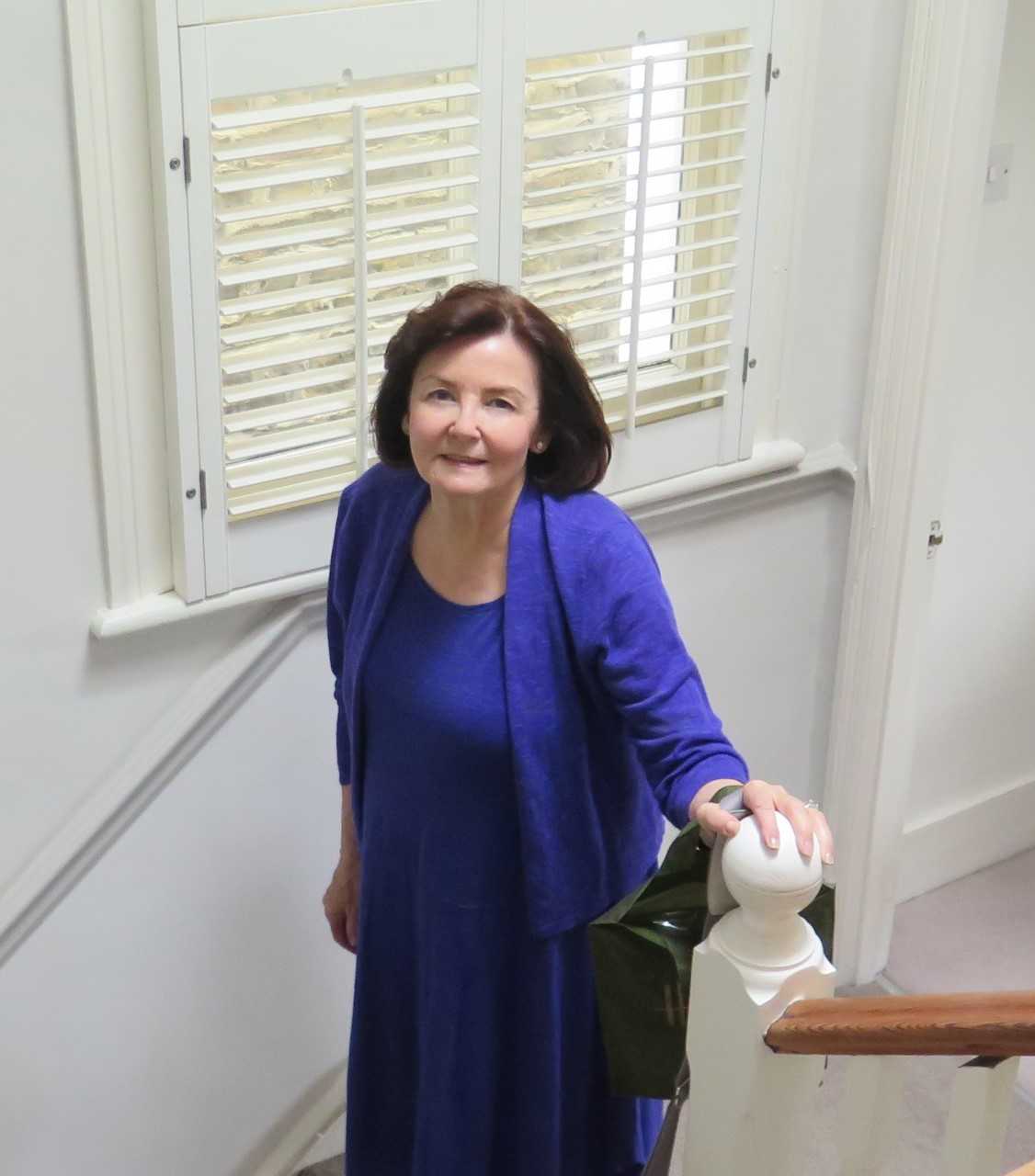
Liddie Conquest extends the legacy.

The current issue of Britain’s Standpoint features some of his unpublished poems, with an excellent article by Elizabeth Conquest, his widow and executor – and a scholar in her own right. Thanks to her labors, The Collected Poems of Robert Conquest will be published by Waywiser Press on October 15, 2019. The 50th-anniversary edition of The Great Terror has just been published by Bodley Head. (Book Haven readers will remember that Standpoint also published his last great poem, “Getting On.”)

“Liddie” Conquest reflects on her husband’s long, productive life until his death in 2015, at age 98:

“Why do some creative people continue to write, while others retire from the field? Part of the reason is simply that people age at different rates. Kingsley Amis, complaining to Philip Larkin that he was getting ugly, old, and fat, wrote: ‘What was that quote about free from care? Certainly applies to ole Bob. He just goes on and on, as if nothing has happened.’ And so he did, possessing characteristics of successful people noted by Diane Coutu in her Harvard Business Review article ‘How Resilience Works’: a staunch acceptance of reality; a deep belief, often buttressed by strongly-held values, that life is meaningful; and an uncanny ability to improvise.” …

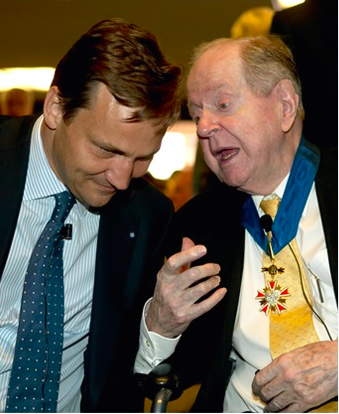
Receiving Poland’s Order of Merit in 2009 (with Radosław Sikorski)

“Seven years later, the week before he died Bob was hard at work editing final chapters of Two Muses — his memoirs — and also writing a poem. At the same time, with the aim of publishing a final collection of his verse, he’d been going through his earlier collections correcting misprints, and in some cases making minor alterations. After his death, as his literary executor I was tasked with sorting through his papers (a vast undertaking with an inventory running more than 120 pages); editing a comprehensive volume of Bob’s poetry; pulling together the last chapters of his memoirs from the bits he’d written (but not put in final order); and editing a selection of his letters. ”

Bob took his light verse seriously, though some lament that his reputation for light verse tended to push aside his “serious” work:

“[Critic Clive James] himself has often expressed regret that there were not more of the ‘fastidiously chiselled poems which proved his point that cool reason was not necessarily lyricism’s enemy’. I share that view, but remember the opening remarks of Bob’s 1997 address to the American Academy of Arts and Letters, when he said that of all the various awards for histories and serious verse he’d received over the years, he was ‘particularly touched and delighted to receive the Michael Braude Award for Light Verse — which honours those who are often thought of as skirmishers and sharpshooters rather than solid citizens of the world of arts and letters’.”

Read the whole article here.

Biographers! Bah! Robert Conquest and W.H. Auden on “shilling lives”

Share

Daunting

Elizabeth Conquest, a.k.a. “Liddie”, was surprised to hear that somewhere in my garage I had squirreled away W.H. Auden’s course syllabus – a copy, of course, from the Rackham archives of the University of Michigan. But then all the extant copies of the syllabus are copies of some kind. Probably mimeograph, in that era. Somewhere I have a xerox of that mimeo copy, or perhaps a xerox of the original typescript that Auden submitted when he was the resident poet at the university in 1941-42. It’s daunting, to say the least. Check it out here.

Liddie is the widow of the groundbreaking historian of the Stalinist era, Robert Conquest. He was also an important English postwar poet, and an influential figure of the “Movement” poets. She is the editor of The Complete Poems of Robert Conquest, to be published in Spring 2019 by Waywiser Press and is currently editing The Selected Letters of Robert Conquest. She is also editing Two Muses, her husband’s memoirs.

“Cracking the Books with Wystan” stirred her memories. Wrote Liddie: “Bob was, as a budding poet, much influenced by Auden—his earliest poetry notebook (1934-35) has many Auden quotations scribbled all over the inside covers, and bits here and there elsewhere.”

Liddie remembers

She sent me a paragraph from Bob’s unpublished memoir, Two Muses. In it, he reflects on the introduction of the 1956 New Lines anthology that launched the Movement poets:

In the preface I stressed the formal side because, after all, it was really Auden who brought back the formality that had been destroyed by Pound and others.  (A lot of the best of Auden’s poetry has a sort of hard surface which rejects the reader—and the later stuff about Nones and Lakes and such is unreadable—but there is a certain amount of energetic unpretentious stuff, and also some other odds and ends of lyrics etc., which come off pretty well.)  I think his original impact was from his a) self confidence, b) “new” preaching of not too homiletic a nature, c) not being unreadably modernist, yet able to claim the advantages of the latest thing.  Also the other purveyors were either worse (Spender) or less in the then groove (MacNeice).  I didn’t take to Auden at first reading (when I was c. 14), finding it cold, but gradually fell for the vigour and skill—not the lowest poetical virtues—and also, I suppose, the (then) mythopoeic effect—as in part of The Orators.

(Well, this reader rather likes “Nones” and in fact all of Auden’s “Horae Canonicae.” But as my brother always said, that’s why they make chocolate and vanilla.)

Bob Conquest at his desk (Photo: L.A. Cicero)

Liddie added, “Bob thought Charles Osborne’s biography was disgraceful, and shortly after it was published in 1979, wrote this sonnet, which appeared first in (I think) the TLS.

“One thing that impressed me about Bob is how everything he ever read remained lodged in that big head of his, to be effortlessly produced when needed.  I wonder how many readers of ‘Second Death’ ever notice the aptness of echoing Auden’s sonnet on biography in this criticism of Osborne, and in the same verse form.”

That is, Auden’s poem “Who’s Who” uses the same sonnet form established by Henry Howard, Earl of Surrey: iambic pentameter with abab cdcd efef gg.

Here’s Bob Conquest’s reaction to Auden’s biographer:

.

                    Second Death

A ten-pound Life will give you every fact
– Facts that he’d hoped his friends would not rehearse
To an intent posterity which lacked
Nothing of moment, since it had his verse.

Or so he thought. But now we come to read
What his more honest prudence had held in:
Tasteless compulsion into trivial deed,
A squalor more outrageous than the sin,

Piss on that grave where lies the weakly carnal? . . .
– Hopeless repentance had washed clean his name,
His virtue’s strength insistent on a shame

Past all the brief bravados full and final.
Without excuses now, to the Eternal,
He makes the small, true offering of his fame.

Haven’t read the original? Here’s Auden’s sonnet “Who’s Who”:

A shilling life will give you all the facts:
How Father beat him, how he ran away,
What were the struggles of his youth, what acts
Made him the greatest figure of his day …

(I have Liddie’s permission to reprint “Second Death,” but I don’t have the permission of the Auden Estate for “Who’s Who,” so the rest is here.)

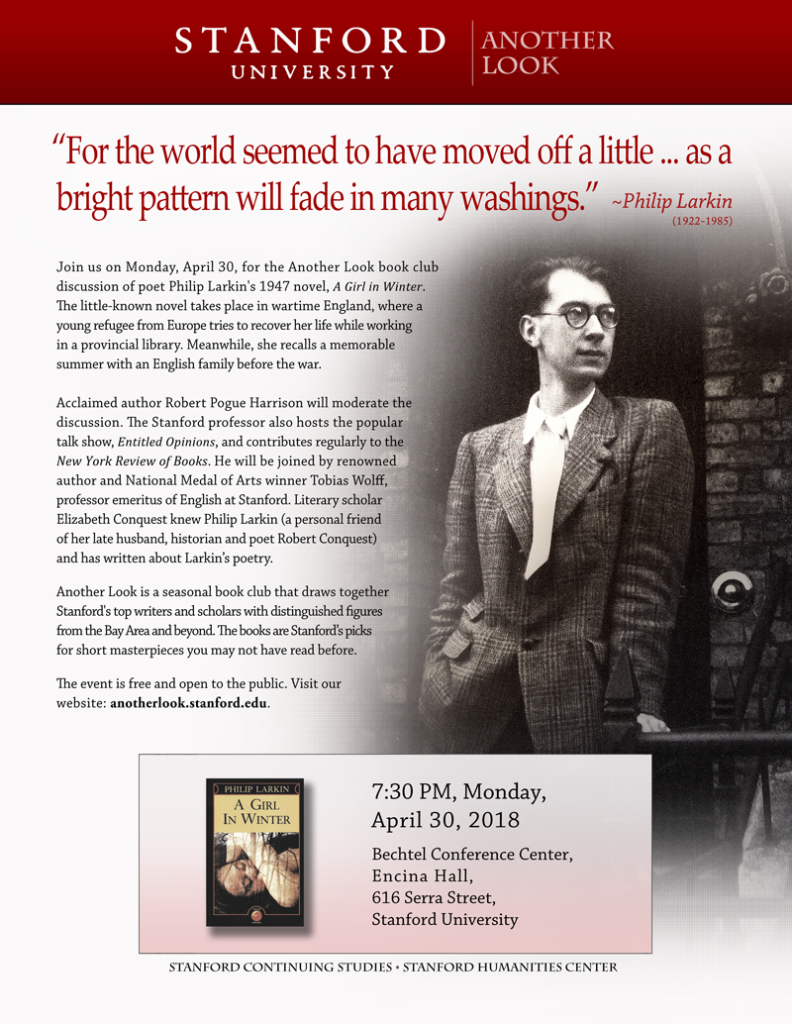
TONIGHT: Philip Larkin’s early novel “A Girl in Winter” at Stanford!

Share

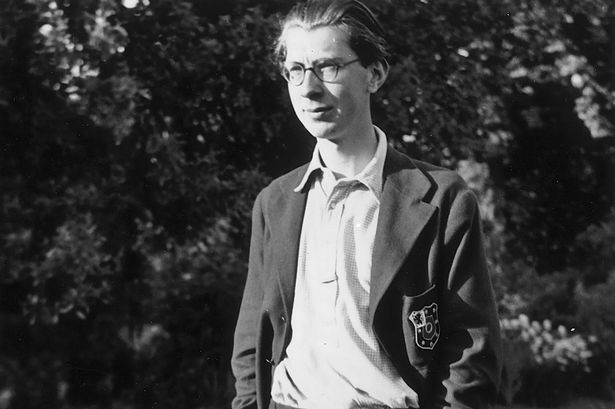
Portrait of the poet as a young man… Philip Larkin

 .

Robert Harrison

Philip Larkin is one of England’s most eminent postwar poets, but few know of his early forays into fiction. All that changes tonight, Monday, April 30, when Another Look considers Larkin’s little-known 1947 novel that takes place in wartime England, where a young refugee from the Continent attempts to recover her life while working in a provincial library. Meanwhile, she recalls an idyllic summer with an English family before the war. Please join us! The event is free and open to the public. Come early for best seats.


Tobias Wolff

When, where, who …

The Larkin event will take place at the Bechtel Conference Center at 7:30 p.m. on Monday, April 30. Panelists will include Another Look Director Robert Harrison, who will will moderate the discussion. The Stanford professor and author also hosts the popular talk show, Entitled Opinions. He will be joined by renowned author Tobias Wolffthe founding director of Another Look, and literary scholar Elizabeth Conquest. “Liddie” Conquest knew Philip Larkin—a close friend of her late husband, historian and poet Robert Conquest and has written about Larkin’s poetry.

Liddie Conquest

.

Elizabeth Conquest in the Wall Street Journal

As we wrote in the Book Haven last week, “Liddie” Conquest was featured in an article in the Wall Street Journal. The article is available to subscribers here. The article is excerpted on The Book Haven here
 
.
Directions
 .
The Bechtel Conference Center hosts all of Another Look’s events – a map is here. The nearby Knight parking structure, underneath the nearby Graduate School of Business, has plenty of room for free parking (see here for a map). In addition, parking is available on Serra Street and in front of Encina Hall itself.
 .
In keeping with the Another Look mandate, this book has been pretty much forgotten in 20th century literary history. Help us jump-start a public conversation of this overlooked work. 
.

“Notoriously tricky territory”: Elizabeth Conquest on the literary legacy of Robert Conquest, a long marriage, and lots of letters

Share


A marriage that was a “long conversation” … and plenty of papers, too. (Photo: L.A. Cicero)

We’ve written about historian and poet Robert Conquest before – most notably for the Times Literary Supplement here, but also here and here and here, among other places. About his widow Elizabeth Conquest – a.k.a. “Liddie” Conquest – we’ve said comparatively little. That’s about to change. She will be one of the panelists at the Another Look book club on Monday, April 30, discussing Philip Larkin‘s early novel A Girl in WinterBut you might also turn to the pages of the Tunku Varadarajan‘s article in this weekend’s Wall Street Journal, titled:  “The widow of historian and poet Robert Conquest talks about his legacy – which includes three books still forthcoming”.

Liddie Conquest in London.

Robert Conquest was the first historian to chronicle Stalin’s murderous havoc. His book “The Great Terror,” published in 1968, was among the 20th century’s most influential works of investigative history. Yet Conquest was also a seriously accomplished poet and a prolific letter-writer. His correspondence includes letters to Amis and Larkin (880 pages to the latter alone), as well as to the novelist Anthony Powell and poets including D.J. Enright, Thom Gunn, Vernon Scannell, Wendy Cope and others …

Banker boxes full of papers cover practically every flat surface in the Conquest household. Sideboards, tables, floors and shelves—all heave with typed and scribbled sheaves. Not only is Mrs. Conquest readying “The Great Terror” for its 50th anniversary edition this fall, she’s editing his complete poems—more than 400, some never published—for publication next spring. She’s also editing his memoirs—he died with one chapter unwritten—as well as a fat volume of his correspondence.

“There are thousands of pages of letters that he wrote,” Mrs. Conquest says. “Bob warmed up before a day’s work by writing letters. He would sit at his typewriter and he’d fire off.” Toward the end of his life, he would dictate email messages to Mrs. Conquest, who sent them from their shared account. “He was never really fond of trying to figure out the computer.”

The lot of a literary widow, Mrs. Conquest says, “is not a happy one, for she must master the management of her husband’s literary estate.” But she doesn’t sound grumpy when explaining that she has a veto over the use of his writings, including the power to say yea or nay to any requests to reprint them. This is all “notoriously tricky territory,” Mrs. Conquest concedes, and such widows have “long been caricatured in writerly circles as pantomime villains”—the younger wife who “single-mindedly devotes her remaining decades after her celebrated husband’s death to championing his artistic legacy and slaying those who dare to question it.”

One of the many comments the combox: “Mrs. Conquest seems to be an absolutely wonderful woman.” We couldn’t agree more. Read the whole thing here.

More papers: Conquest at work. (Photo: L.A. Cicero)

Was Robert Conquest’s poetry linked with his politics?

Share

Conquest at work (Photo: L.A. Cicero)

A trio of essays about historian and poet Robert Conquest is now online at the Hopkins Review. Humble Moi is among them. But so is Richard Davis, a British poet (now transplanted to Ohio State University), who is perhaps the best translator from the Persian ever. (We’ve written about Dick here and here). Both of us were intrigued by the link between Bob’s poetry and his historical work. As Dick points out, “a kind of bedrock common sense” runs through both. British poet John Whitworth rounds out the triad.

Let me first quote a bit from the inestimable Dick Davis’s “The Minds of Poets”:

When it comes to his career as a historian I think there is a sense in which Robert Conquest’s opinions, tastes, and predilections were also to some extent an infuriated reaction to what he saw around him in the 1950s and 1960s. Not that this was where his historical insights and clarity came from of course, but that the writing down of what he had found to be true was partly motivated by an intense desire to show the foolishness of much of the self-deceiving political cant that was current at the time. His book on Stalin’s purges, The Great Terror, was the first to set out in such horrific detail the brutal nature of Stalin’s Russia, and it was written against a great deal of bien-pensant vague pro-Soviet and less vague anti-American sentiment that was current in (especially) British intellectual life in the 1950s and ’60s, a kind of knee-jerk groupthink leftism that meant giving the Soviet Union pretty much a free pass when it came to human rights issues. When a later, revised edition of the book was to be issued, by which time Conquest’s anatomization of the disasters of Soviet rule was coming to be widely accepted as accurate, Conquest jokingly suggested to Kingsley Amis that he title the book I Told You So, You Fucking Fools. And it was true, he had told us so, when far too many of us didn’t want to believe it.
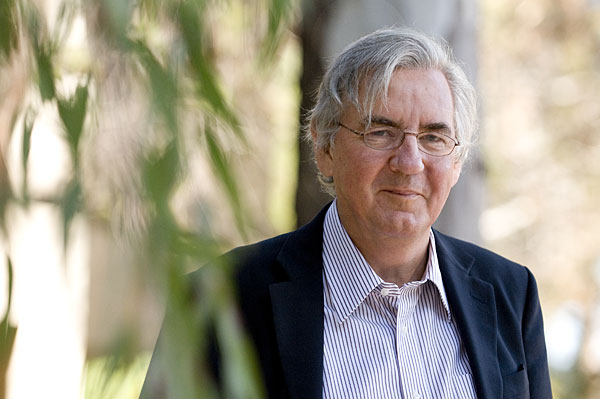
Dick Davis visiting Stanford. (Photo: L.A. Cicero)

A confidence in a kind of bedrock common sense runs through Conquest’s poetry, his writings on poetry, and his historical writings, and this confidence goes with what can seem at times a magisterial impatience with those who would obfuscate such common sense by disdainful appeals to ideology, political posturing and blather, or vatic rhetoric that covers and tries to compensate for a simple lack of artistic or political integrity. But what sounds like magisterial confidence comes from a wholly admirable humility before the nature of quotidian reality, before what is demonstrably there in the world, and a preference for recognizing this reality over the comforts of bombast and self-deception. Much of Conquest’s best-known poetry is funny, even absurdly hilarious, but when it is serious it is continuous with the voice that wrote on history and politics. It can remind us of the title of one of Isaiah Berlin’s books of essays, The Crooked Timber of Humanity, and its epigraph from Immanuel Kant, “Out of timber so crooked from that which man is made nothing entirely straight can be built.” Utopian and inevitably murderous visions that try to make something “straight” out of humanity’s crooked timber earned his contempt; what his political voice advocates in his poetry is a pragmatic humanist compromise between absolutes. The absolutes are kept in view because they are what make man’s social life possible, but they can never be realized because they contradict one another (absolute freedom is anarchy with the strong preying on the weak; absolute order is the ultimate prison with no possibility of freedom). The meditative, moving seriousness of this vision is present in the closing section of one of his last and I think most beautiful poems, “The Idea of Virginia”:

The dogwood blooms, the cardinals perch, the lean hounds hunt
Where Pocahontas danced, where John Smith scouted, where Spotswood rode,
Where Washington marched to victory, Jackson to death,
By the slow rivers, the cool woods, the mountains, the marshes.

The Idea, never fulfilled, was never abandoned;
The free order only approaches its goal.
The land lived on imperfect in city and forest,
Its Form half-remembered; as it lay in the minds of poets.

And from my own, “Poetry and Politics”:
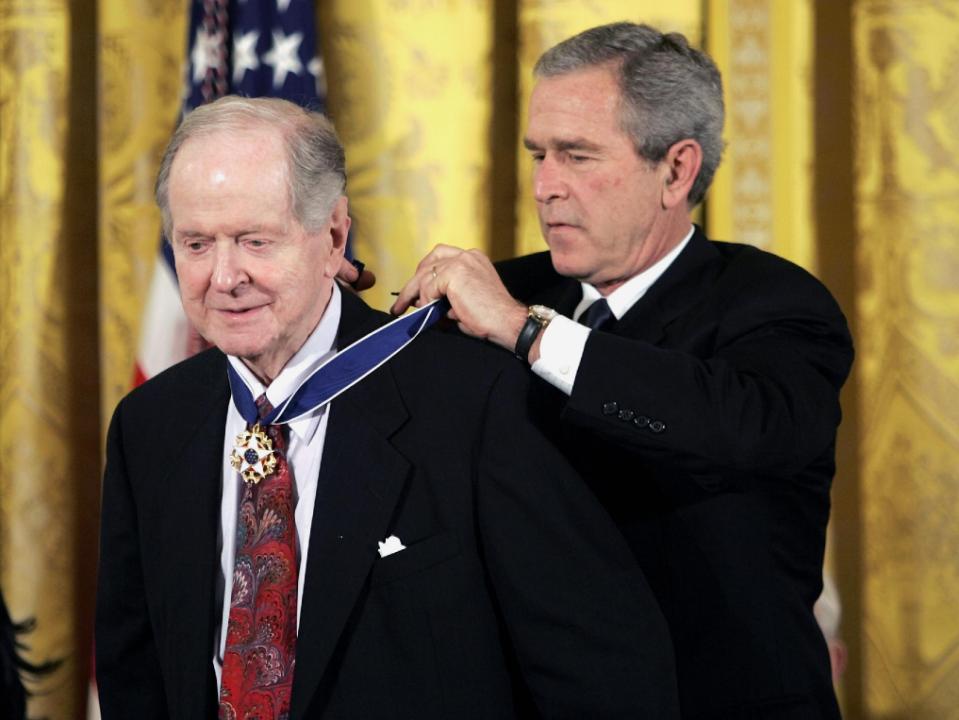
Receiving the Medal of Freedom in 2005.

Aristotle sharply distinguished the domains of Clio and Euterpe. So did a Russian poet some centuries later. Nobel poet Joseph Brodsky once remarked that the only thing poetry and politics have in common are the letters “p” and “o.” There are powerful exceptions, however—think of Dante. Surely Brodsky’s attitude had been shaped by his refusal to define himself in terms of the Soviet system both he and Conquest deplored, the system that would eventually exile him. However, at some point, politics intersect with reality, with what happens to real people when governments and policies go wrong. And history, on the large scale of people and events, is inevitably bound up with politics. It is said that Conquest’s revelations of the millions killed in Stalin’s regime did not influence his poetry at all—except for a few poems with overt political references, such as “Get Lost, Gulag Archipelago” and “Garland for a Propagandist.” However, both his muses were intertwined and informed each other, which would quickly move him miles away from the surrealist poems of his youth in the 1930s. World events would also move him far from the fashionable Communist Party of Oxford, where he had briefly been a member before deciding that it was not a place for grown-ups. By enlisting in 1939, he implicitly rejected the party’s line that the war was a capitalist and imperialist venture. His wartime experiences would bring their own understandings and leave their own scars.

In a long poem commemorating his friend, the poet Drummond Allison, who was killed in the fighting in Italy, he tells of his shattering disillusionment about just causes, after a death, as he wrote, “which no future can ever repay.” He listed the clichés—“He died in a good cause,” “We sacrifice our best,” “He lives in our memory”—which caused him to write, “All this is not untrue / But its irrelevance shakes me like a fever . . .” He could not reconcile the public need against the private loss, “the just war and the individual’s unjust / Death. . . .”

He was not going to write the great war poem; he knew that. While describing the war in verse was possible, it was not possible for him. In “Poem in 1944,” he wrote:

. . . I must believe
That somewhere the poet is working who can handle
The flung world and his own heart. To him I say
The little I can. I offer him the debris
Of five years’ undirected storm in self and Europe,
And my love. Let him take it for what it’s worth
In this poem scarcely made and already forgotten.

Read all three articles here.