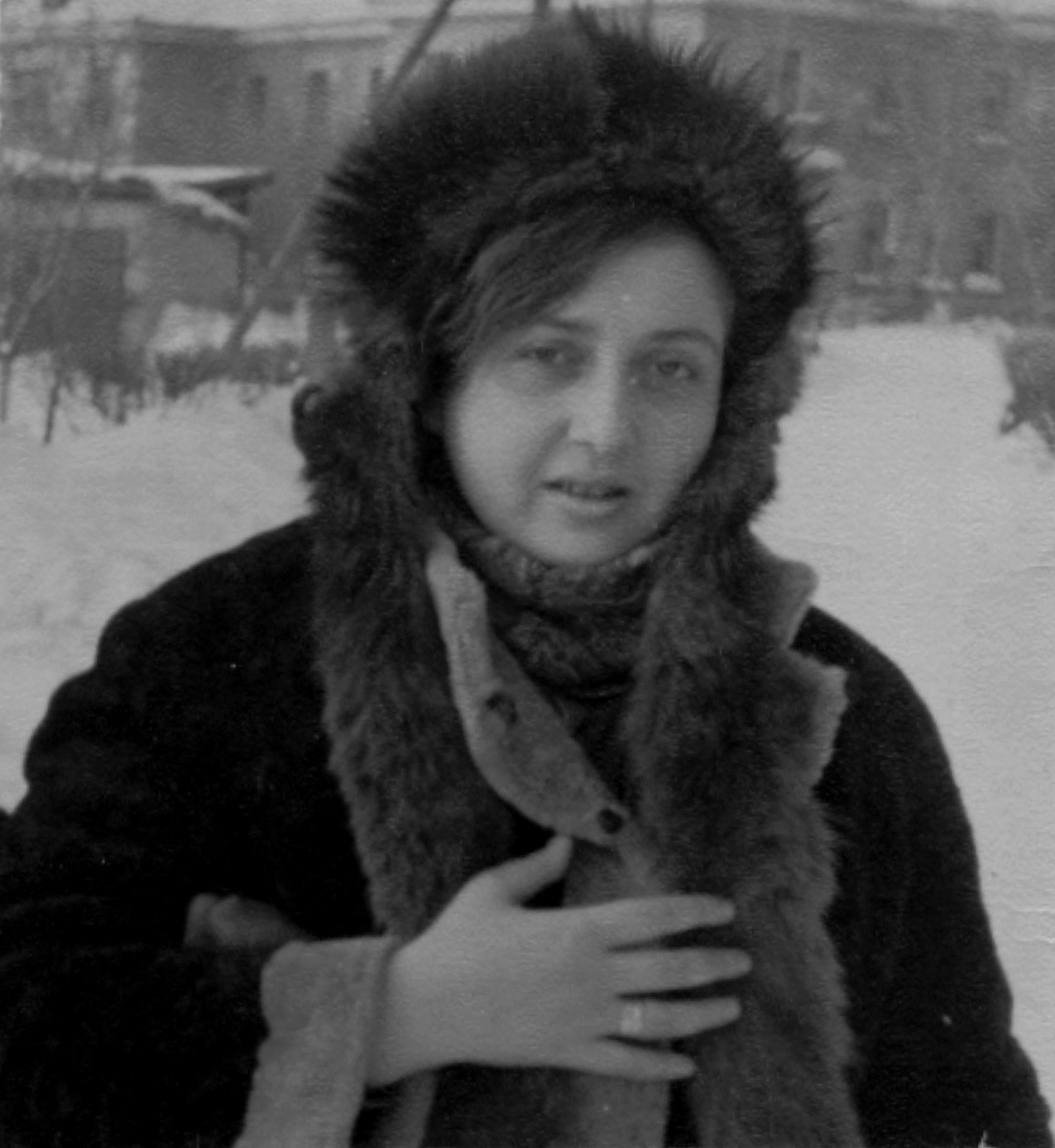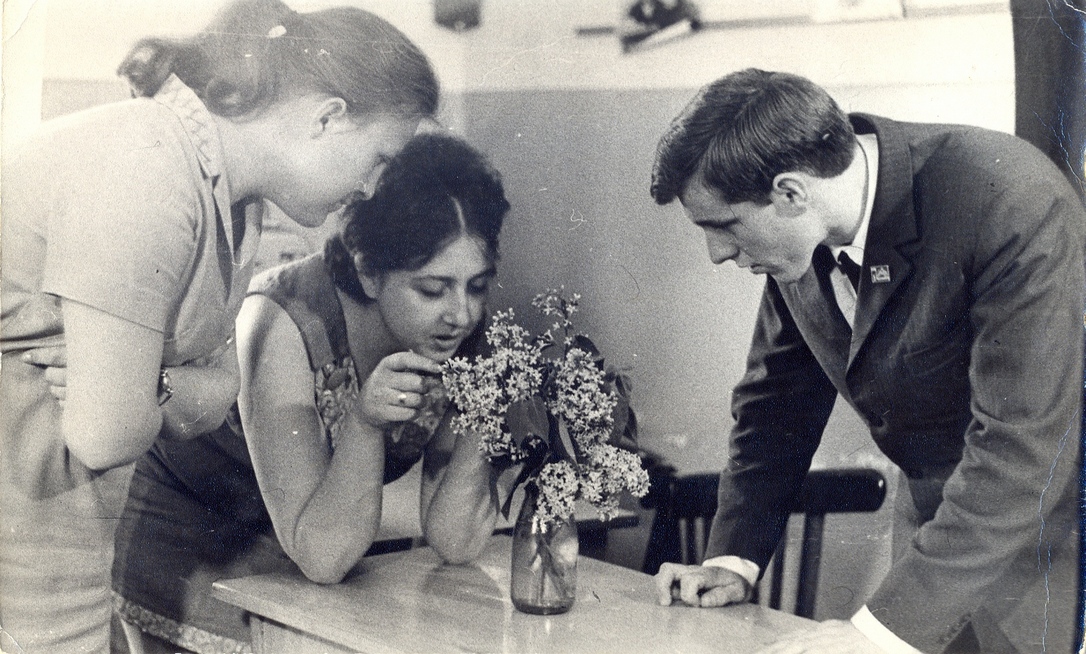

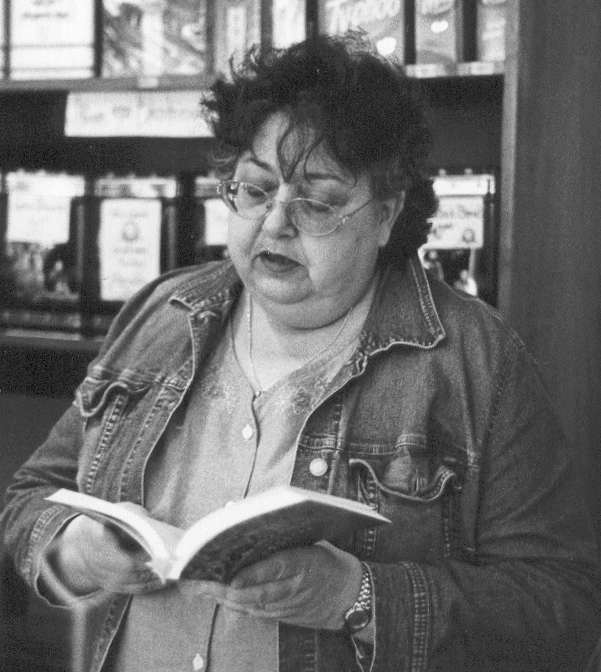
 I’ve written about the Russian poet Regina Derieva since her death last December – here and here. According to our mutual friend, the prominent Swedish author Bengt Jangfeldt, she was a poet “who in her best poems achieved that true metaphysical quality which, according to T.S. Eliot, is the alloy of thought and poetry at a very high temperature.” I have been fascinated by this utterly unique and uncompromising poetic voice since I learned of the poet’s existence, a few days after her death, from her husband. Now I am thrilled to announce that her papers have come to Stanford. I tell the story in this week’s Times Literary Supplement:
The Russian poet Regina Derieva was born on the Black Sea in Odessa, and enjoyed the shifting rhythms of the sea: “Water is the ideal apparel. However many times you get into it, it’s the same”. Her passion for water was shared by her epistolary friend, Joseph Brodsky, who grew up alongside St Petersburg’s canals and spent as much time as he could in Venice, where he is buried on the cemetery island of San Michele. Derieva, whom Brodsky called “a great poet”, viewed a very different landscape, however: from the age of six, she lived obscurely in Karaganda, Kazakhstan, “perhaps the most dismal corner of the former Soviet Union – once the centre of a vast prison camp universe, later just a gloomy industrial city”, according to the distinguished Lithuanian poet Tomas Venclova. For him, Derieva’s precise, epigrammatic poems limn “the concentration camp zone, where space is turned into emptiness, and time turned into disappearance”.
A few days after Derieva’s sudden death last December at the age of sixty-four, I received a letter from her husband, Alexander Deriev, and our ensuing correspondence eventually led to the Stanford Libraries’ acquisition of this astonishing poet’s archive. A single cardboard box postmarked Märsta, Sweden, is all that remains of a long and productive literary life, augmented by a few files of unpublished manuscripts, photographs, letters and drawings Deriev brought with him to California in his backpack.
There is a reason for the paucity of papers in a lifetime that should have left a mountain of them. Derieva’s life encompassed the upheavals of the past century, but she added an idiosyncratic twist: at each fork in the road, this outcast among outcasts made a choice – and that choice, or as often necessity, took her even farther from the pack.
I’ll have more about her in future posts – but meanwhile, please read the rest of the story in the TLS here.