
 A few days ago we challenged Marguerite Duras’s handling of the facts in a long post “But, but, but … did it really happen?” A few days earlier than that, we announced the May 12 “Another Look” book club event celebrating the author’s centenary with a discussion of her short, iconic classic, The Lover. But The Lover wasn’t the only autobiographical novel she wrote. The Sea Wall (1950) is another. The earlier book, which takes place in Indochina of the 1920s, tells of her mother’s desperate fight against the sea. Tricked by the local administrators into purchasing a useless concession of land with her life’s savings, the mother builds a sea wall to prevent the annual monsoon from flooding the land – but the wall is swept away with the first rains. In Laure Adler’s Marguerite Duras: A Life, the biographer describes one unintended consequence of the widow’s hopeless struggle. Duras is greatly admired in Vietnam:
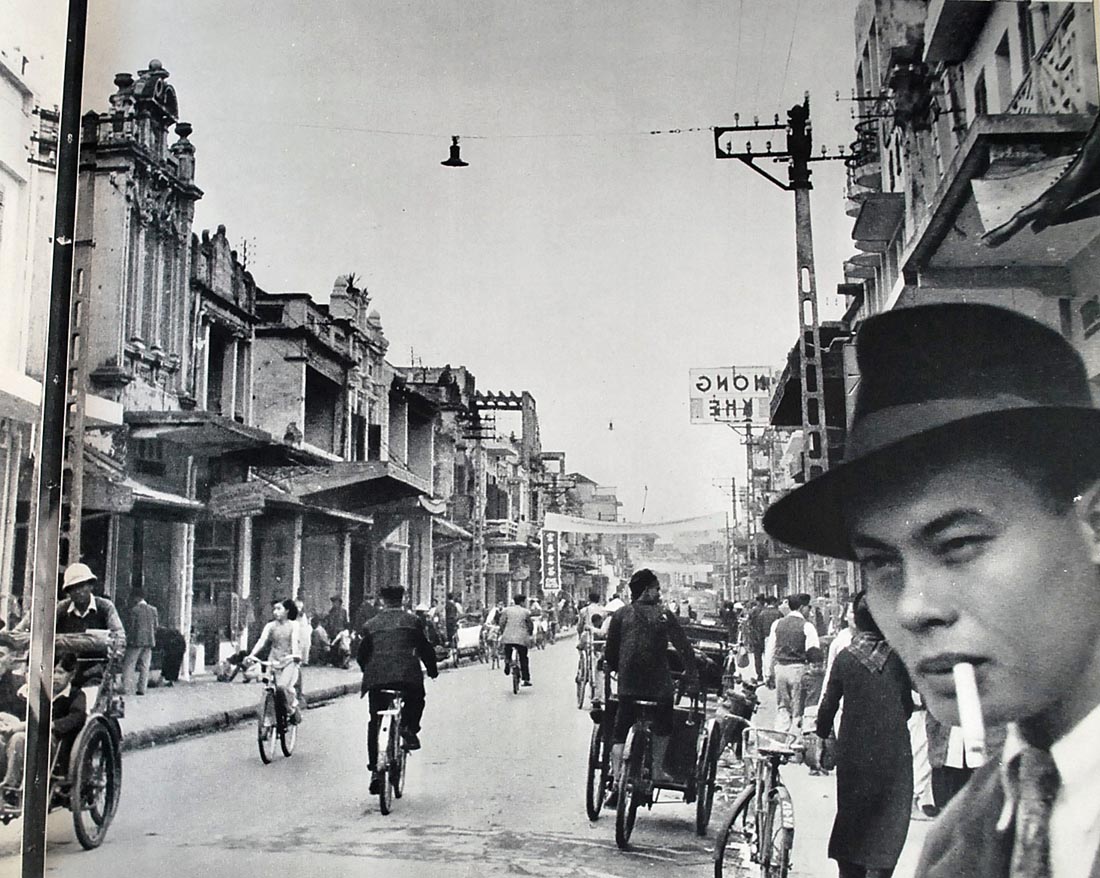 “Even today in Ho Chi Minh City learned old Vietnamese men will speak to you of Marguerite’s book The Sea Wall with their eyes full of tears. They’re moved not so much by the mother’s despair as by the passion with which Marguerite pays tribute to the men who died in the blistering heat, cutting and laying roads through the swamps for France. The men were chained together. Ordered to work them till they dropped, military leaders, veterans of the French colonial army, rounded up and oversaw political prisoners and poor peasants dying of starvation. Numerous testimonies speak of having seen groups of them dragging dead bodies around. This orally transmitted historical fact has never been properly recorded. Marguerite paid tribute to these unsung heroes who gave their lives for France. There are students in Vietnam today who still tremble with gratitude towards Marguerite Duras. She was the only one to speak of the children of the plain who the moment they were born were condemned to die of hunger, cholera or dysentery. ‘The children simply went back to the land like wild mountain mangoes, like the little monkeys from the mouth of the lagoon.’”
Excellent post Cynthia. good writer.