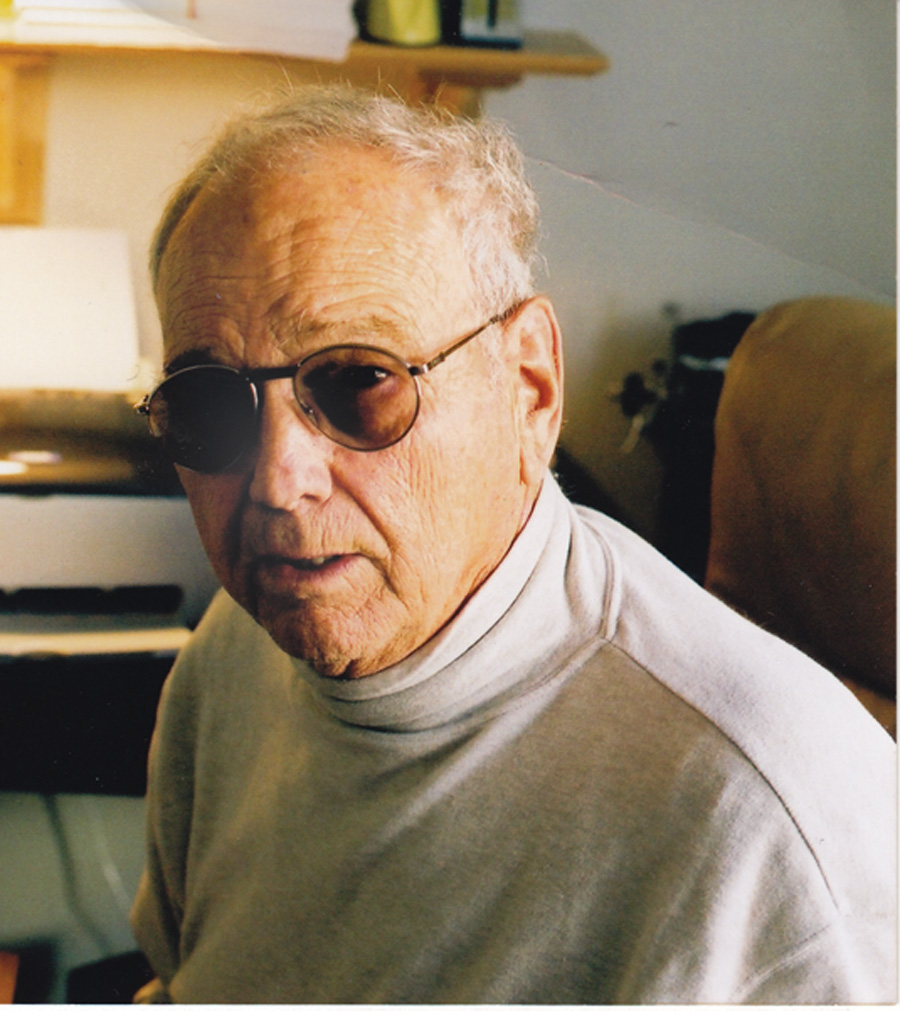

 In an era when most prominent poets seem to have a protected perch in academia, Moore Moran is rather refreshing. Moran, one of the lesser known students of Yvor Winters, left Stanford and entered the advertising world as a copywriter and later creative director. He lives in Santa Rosa, and has raised four daughters and a son — all the while writing poetry for the last half-century or so. He’s managed to avoid even a Wikipedia entry.
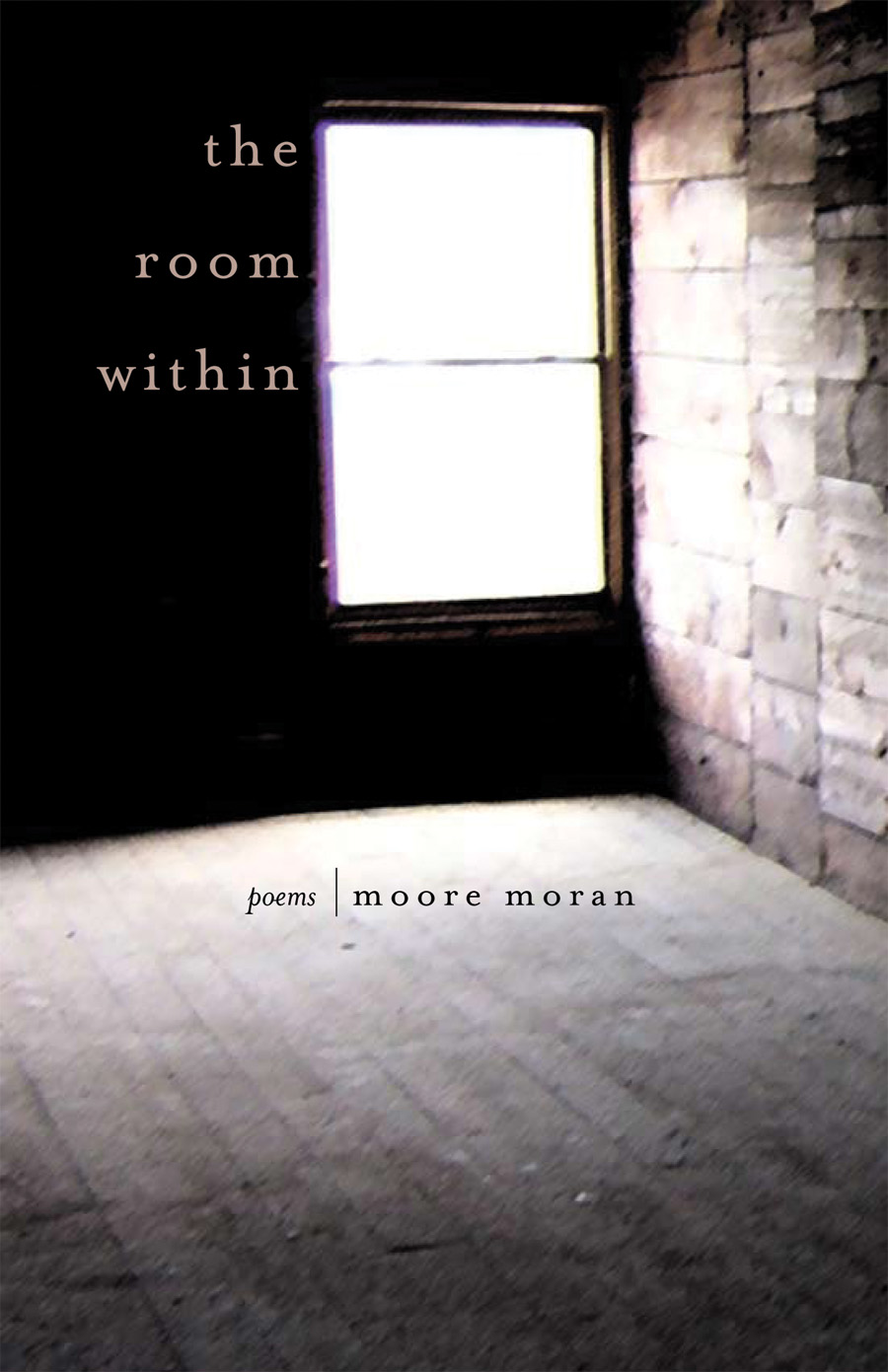
Nevertheless, his first full-length book, Firebreaks, won the National Poetry Book Award in 1999. His newest book, The Room Within, was published this month.
It rather startles that Moran’s name was entirely unknown to me. For awhile, I had made a point of writing about the generally unheralded Yvor Winters/J.V. Cunningham group of poets, which included Thom Gunn, Edgar Bowers, and many others in the so-called “Stanford School of Poets” (I say “so-called,” because they dodge any grouping). Moran and I have a number of mutual friends — Timothy Murphy for one. The accolades on the back of the book include a few others who have been mentioned on these cyberspace pages:
“Imagine a poet who could deal with the experience of Jack Kerouac but with too much intelligence to limit himself to the road. You don’t have to imagine him. He exists. He has many skills, all of them beautifully bright, and on occasions when he looks into the abyss they take him safely over it” — Turner Cassity (my article here — Book Haven post here)
“Moore Moran writes out of a wide range of experience in both traditional and experimental verse. Reading his work is a joy for the reader seeking a mature and sensitive mind.” — Helen Pinkerton (my article here)
And an important voice from my own alma mater, X.J. Kennedy, chimed in, too: “Moore Moran knows how poems should be made, and a great many of his poems score resounding victories.”
I haven’t had much time to go over the book thoughtfully. But there is much that is striking and fine, and a good deal can be found online — “Ordinary Time in the Pews,” for example.
The title poem will be top-rated for many readers, I think, but I favor this one, edged in spare mystery:
Holy Thursday
Tonight I ask You in to help me mourn.
You who help whom you please,
don’t leave me just with these–
a loincloth, timber, nail and scarlet thorn.I‘m what I earn to think, not think I am.
Nor love, wisdom or art
sustains the baffled heart,
and fact contains no holy anagram.Be more, Lord, than my hope, Your innocence.
Reason has never known
how to live with its own
immaculate, hard-hearted arguments.