

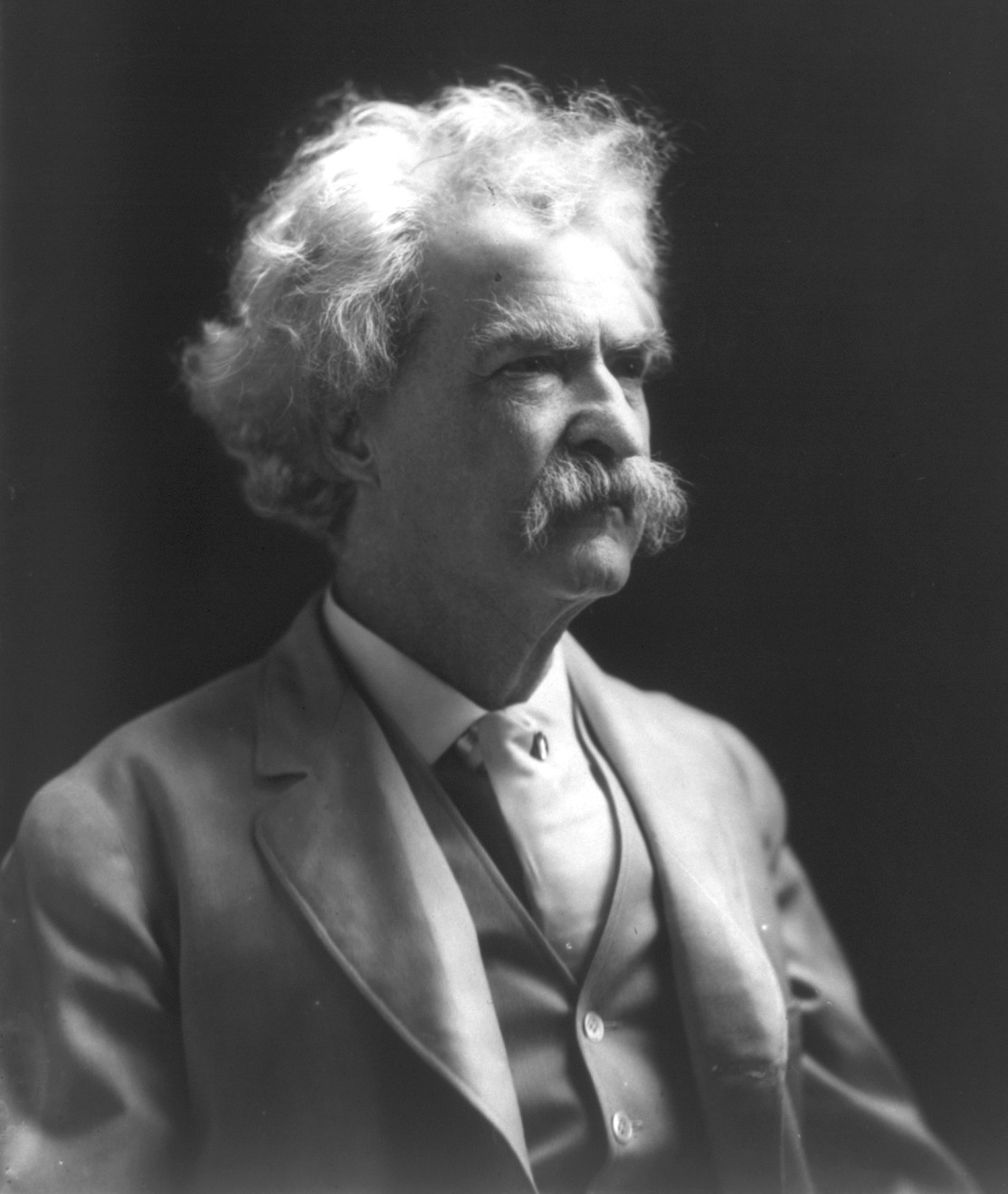
 Have we lasted several weeks without mentioning that is the year of Mark Twain — the centenary of his death?
In keeping with the festivities, PBS has an “exclusive”: A 10-page handwritten essay (all pages viewable here) that has been sitting more than four decades at UC-Berkeley. It was written in either 1889 or 1890, a time that coincided with the rise of “yellow journalism.” It’s target: the interview.
As a journalist, and occasionally the subject of an interview, I have to concede that he has a point:
Twain on "the interview"
“No one likes to be interviewed, and yet no one likes to say no; for interviewers are courteous and gentle-mannered, even when they come to destroy. I must not be understood to mean that they ever come consciously to destroy or are aware afterward that they have destroyed; no, I think their attitude is more that of the cyclone, which comes with the gracious purpose of cooling off a sweltering village, and is not aware, afterward, that it has done that village anything but a favor. The interviewer scatters you all over creation, but he does not conceive that you can look upon that as a disadvantage.”

“Yes, you are afraid of the interviewer, and that is not an inspiration. You close your shell; you put yourself on your guard; you try to be colorless; you try to be crafty, and talk all around a matter without saying anything: and when you see it in print, it makes you sick to see how well you succeeded.”
“Now his interruptions, his fashion of diverting you from topic to topic, have in a certain way a very serious effect: they leave you but partly uttered on each topic. Generally, you have got out just enough of your statement to damage you; you never get to the place where you meant to explain and justify your position.”
PBS also discussed that inevitable topic, the publication of Mark Twain’s autobiography for the first time this year. But will the book say anything new?
Twain scholar Shelley Fisher Fishkin is uncertain: “I really can’t speak to what volume 1 of his autobiography will ‘reveal’ since I haven’t read it yet — although I probably have, in bits and pieces, in the Mark Twain Papers and in the various partial forms in which it has already been published (decades ago)”:
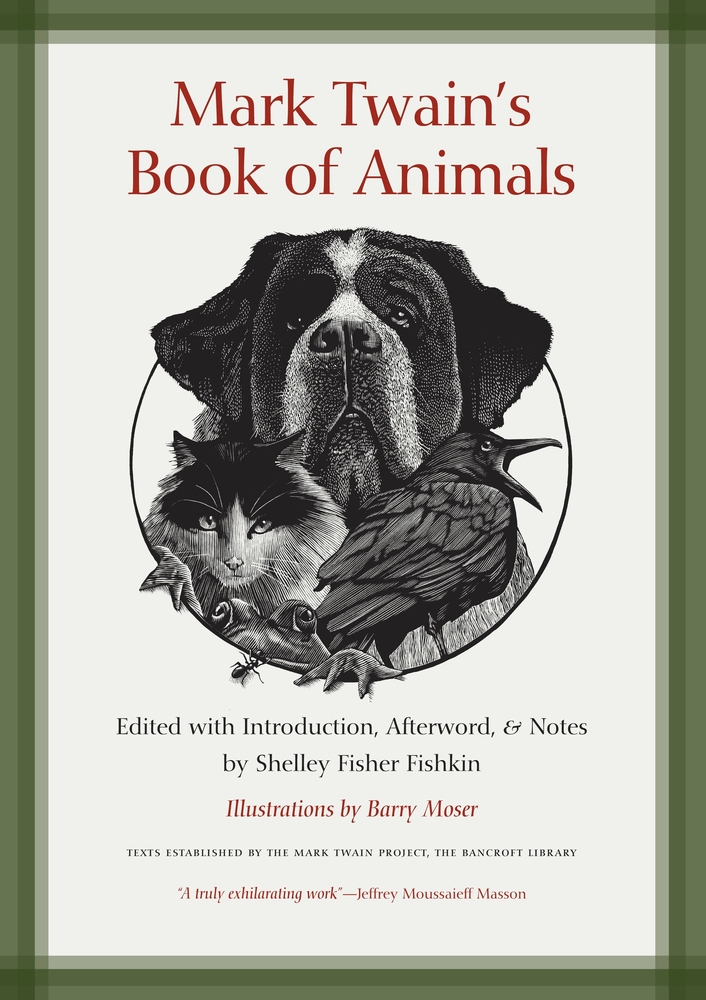 “The reason that it’s hard to tell what will be there is that it was dictated & Twain talked about whatever he felt like recalling. It is completely non-chronological — a strange grab-bag of whatever was on his mind. I included at least one piece (maybe two, I forget) from it in my Animals book.
I am a big fan of Mark Twain so naturally I enjoyed this post he was an interesting and amazing author and person. Thanks for the post.