

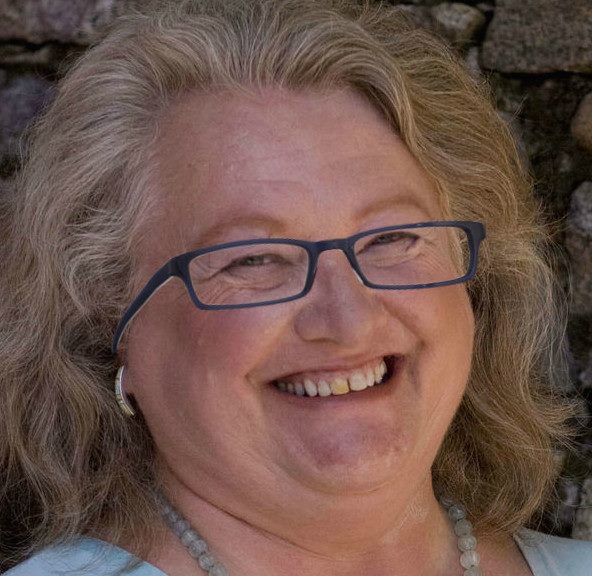
The current Harper’s Bazaar features a literary memoir by poet Molly Fisk. We’ve written about her before, here and here. I’ve known the poet for two decades – but I didn’t know she was the niece of novelist and short story writer John Updike. She describes the experience in “John Updike, His Stories, and Me.” You can read it here. It begins:
In December 1984, my father died at the Ghirardelli theater during a morning showing for backers and friends of the movie On the Edge, which stars creepy Bruce Dern as a long-distance runner. This was my father’s fourth heart attack. His friends described him laughing near the film’s end, and then hearing a sigh. When he was discovered unresponsive in his seat as the lights came up, that famous line was called out: “Is there a doctor in the house?!” There were four, but none of them could save him. He was 56.
At that point, my father, Irving, didn’t have any money. He wasn’t a backer, but he knew the director and was often on the fringes of various deals, cinematic and otherwise, “putting people together” and going out to lunch. Payment was largely theoretical.
For our family, losing this witty, charming, impossible man was like having the sun plucked out of a solar system. We, the remaining planets, careened randomly for a long time. I was 29 and going to business school, mostly because I hoped that it would help me understand him.
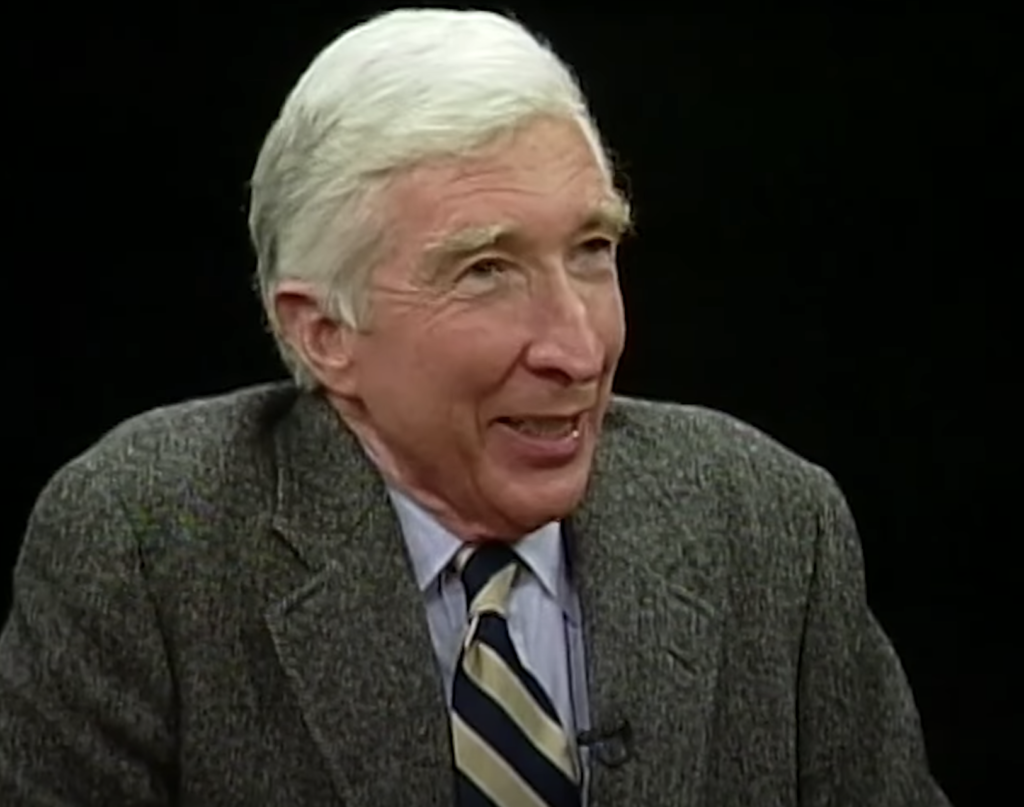
Almost exactly three years after my dad’s death, a short story by Uncle John appeared in The New Yorker called “Brother Grasshopper.” Everyone who knew me and my family knew that my uncle was John Updike. He married my mother’s older sister, Mary, when they were in college, and we Fisks spent every summer back East in Ipswich or Vermont or on Martha’s Vineyard with the Updikes. Each couple produced four children at regular intervals, so we had nearly parallel cousins. If you’ve read Couples or The Maples Stories, you know the general scene: beaches, chaos, shucking corn, tennis and cocktails, adultery. There were the usual family spats now and then, but as a child, I always thought of the four adults as good friends.
Read the whole thing here.