
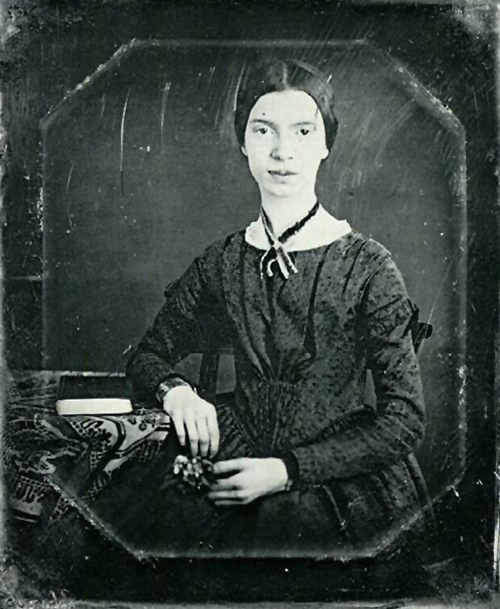
Will the real Emily Dickinson stand up? And hurry.
Can’t we just leave her alone? Poet A.M. Juster (we’ve written about him here and here) is not amused by the new re-creations of the life of Emily Dickinson. And he says so in the current issue of The Commentary, where he writes:
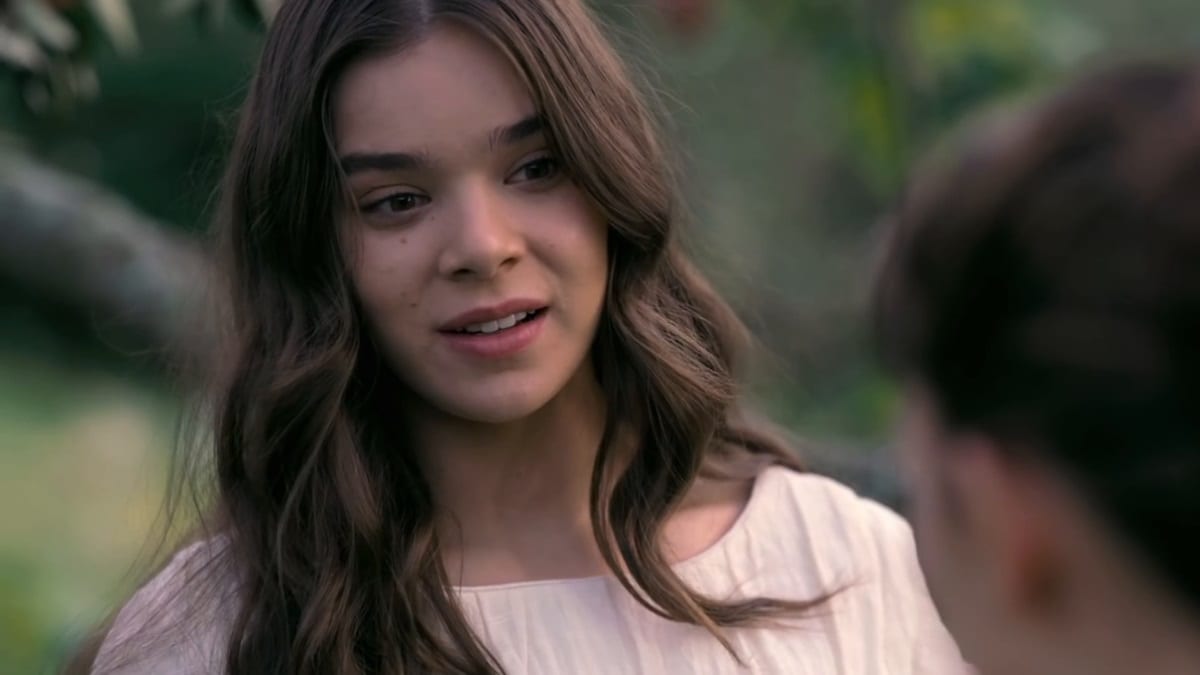
“’Tis the season for digging up and desecrating Emily Dickinson. First came last year’s Wild Nights with Emily, a flimsy film starring Saturday Night Live alum Molly Shannon, which the Washington Post said threatened “to reduce the writer’s life to the punchline of a literary version of Rodney Dangerfield.” Now the perpetrator is Apple TV’s 10 half-hour episodes of its strange new series, Dickinson.”
I haven’t seen it, and for good reason. I avoided it. Mike Juster was not so wise, but we share a common grievance:
The centerpiece of both the Molly Shannon film and this biopic is an alleged lesbian affair between the poet and her best friend, Susan Gilbert, who is in the process of becoming her sister-in-law. This part of the plot relies on controversial recent scholarship that overreads typically effusive correspondence of the 19th century. A few scholars have made similar efforts to claim Abraham Lincoln and other gushy letter writers of this era as retroactive members of the LGBT community.
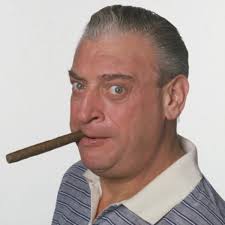
Definitely not this.
In an apparent attempt to “normalize” the lesbian affair, Dickinson frames the Dickinson-Gilbert relationship with a millennial view of sexuality—everyone under 35 is having casual sex all the time, and everyone over that age has given up on sex. Scenes in Dickinson include young people involved in: semipublic masturbation, large parties where everyone suddenly French-kisses somebody else, pre-digital revenge porn, and under-the-table dinner-party orgasms, not to mention opium consumption and dancing with a six-foot hallucinatory insect.
The hip-hop score and the occasional surreal cinematography in the style of Baz Luhrmann only distract from the plot, but the slangy contemporary diction is even more distracting. When Emily started calling people “dude,” I wondered whether the producers had sought the help of the writers of the Harold and Kumar films to punch up the script.
Read the whole thing here.
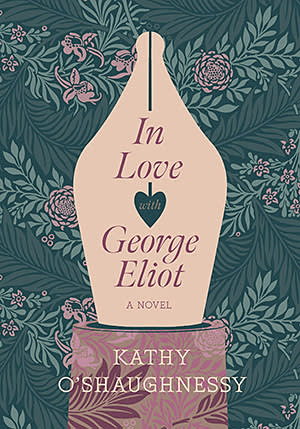 In this compelling fictional reworking of George Eliot’s later life, her second husband John Cross orders champagne on his wedding night with the words: “I want the best, because I have the best. I am married to the best.”
But by the time we reach their honeymoon in 1880, towards the end of the novel, Kathy O’Shaughnessy’s tender and haunting study suggests that for those who are acclaimed as the best, the most brilliant and most visionary, relationships can be fraught with misunderstanding.
Was it only men? Hardly. her charm apparently transfixed women as well:
Not that she was short of female companionship. In Love with George Eliot recreates with touching, sometimes excruciating, precision the devotion that Evans inspired and expected from other women. “Nearly worshipful” is the look that her adoring friend Maria Congreve gives her, while poor Edith Simcox, the feminist writer who fell hopelessly for Evans and assiduously kept the George Eliot flame burning for years after her idol died, is consumed for the rest of her life by her “hungry love”.
Read the whole thing in the Financial Times here.